Clarence Thomas faces scrutiny as Supreme Court takes up major climate case
Clarence Thomas is drawing attention as the Supreme Court considers whether Boulder can pursue climate claims against Exxon and Suncor

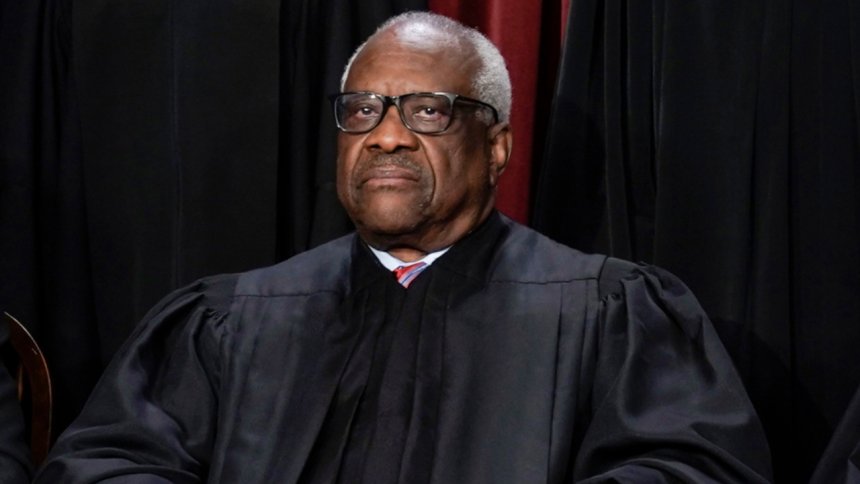
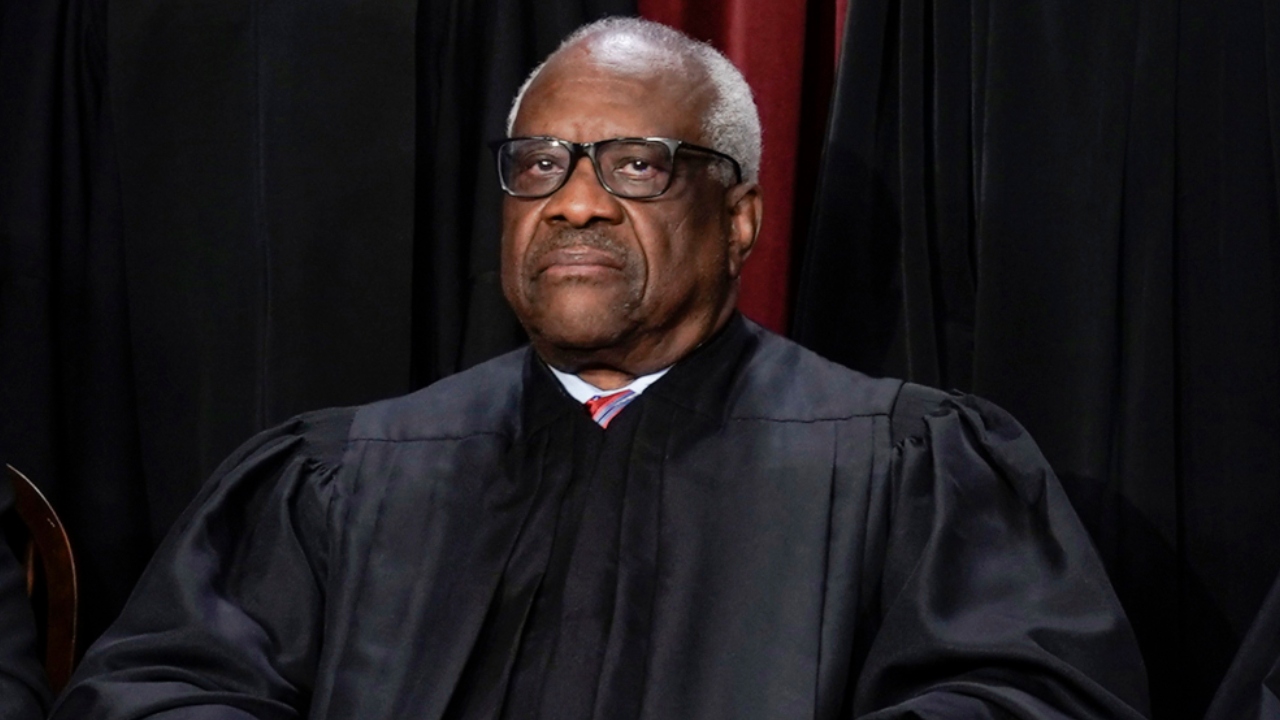
Clarence Thomas is drawing attention as the Supreme Court considers whether Boulder can pursue climate claims against Exxon and Suncor under state law.
Justice Clarence Thomas is entering a closely watched Supreme Court climate case with a legal record that has prompted both sides to examine how he might approach the dispute.
The court is scheduled to hear arguments Oct. 5 in Suncor Energy v. Boulder, a case that could determine whether states and local governments can use their own laws to pursue claims against fossil fuel companies over alleged climate-related damage. The Supreme Court’s docket identifies the central question as whether federal law prevents state-law claims seeking relief for injuries allegedly linked to interstate and international greenhouse-gas emissions.
Boulder County and the city of Boulder argue their claims should remain under Colorado law. They accuse Exxon Mobil and Suncor of contributing to climate-related harms and seek damages through state tort claims. Colorado’s Supreme Court previously allowed the litigation to proceed under state law.
The companies argue that climate change and greenhouse-gas emissions cross state and national boundaries, making the issue one that should be governed by federal law rather than a collection of state lawsuits. Their latest Supreme Court filing warns that allowing such cases to proceed could expose energy companies to potentially conflicting decisions across the country.
CNN reported that Thomas has become a particular focus because of his approach to federal preemption, the legal principle that federal law can displace state law. In an April ruling involving an injured Army specialist’s state-law claim against a military contractor, Thomas wrote that federal preemption requires a constitutional or statutory basis.
That reasoning has drawn attention from lawyers supporting Boulder. They argue the same principle could make it harder for Exxon and Suncor to establish that federal interests automatically override Colorado law.
Justice Neil Gorsuch has also written opinions taking a skeptical view of broad federal preemption arguments, making both justices figures to watch during Monday’s arguments.
The case has another complication: Justice Samuel Alito has recused himself because of his holdings in energy stocks. His absence creates the possibility of a 4-4 split. A tie would leave the Colorado Supreme Court’s ruling intact but would not establish a nationwide Supreme Court precedent.
Whatever the court decides, the ruling could shape a growing wave of climate litigation against fossil fuel companies. The justices are not being asked to determine whether Exxon or Suncor are liable for Boulder’s alleged climate damages at this stage, but whether the lawsuit can proceed under state law at all.
Share
What's Your Reaction?
 Like
0
Like
0
 Dislike
0
Dislike
0
 Love
0
Love
0
 Funny
0
Funny
0
 Angry
0
Angry
0
 Sad
0
Sad
0
 Wow
0
Wow
0