NAACP condemns ‘blatantly racist attacks’ in Michigan Senate race
President Derrick Johnson called the rhetoric “unacceptable and disgusting” as Michigan voters weigh a closely watched Senate contest. The NAACP

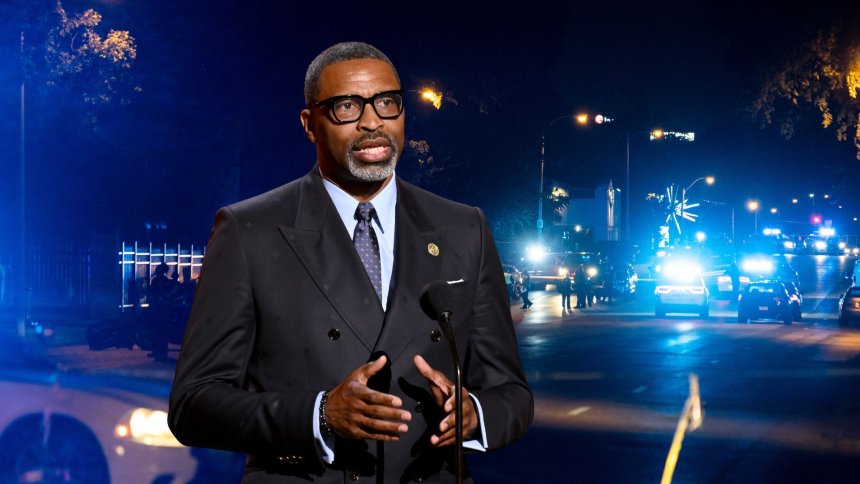

President Derrick Johnson called the rhetoric “unacceptable and disgusting” as Michigan voters weigh a closely watched Senate contest.
The NAACP is condemning what it describes as “blatantly racist attacks” surrounding Michigan’s U.S. Senate race, warning that attempts to use race to intimidate voters or influence their choices have no place in a democratic election.
NAACP National President Derrick Johnson called the attacks “unacceptable and disgusting,” comparing the tactics to divisive practices associated with some of the darkest chapters of Southern history.
“Race should never be used as a tool to scare anybody or try to prevent them from voting their conscience,” Johnson said. He described the behavior as “grotesque and undemocratic” and said it should not be tolerated from anyone holding or seeking elected office.
The statement, released on October 26 and provided to theGrio, comes as Democratic Senate nominee Abdul El-Sayed faces Republican nominee Mike Rogers in a closely watched contest ahead of the November 3 midterm elections. Johnson’s statement does not name either candidate or identify specific campaign advertisements, but it adds to growing scrutiny of political rhetoric targeting El-Sayed’s name, heritage and Muslim faith.
In an August report, theGrio’s Gerren Keith Gaynor examined how Republican campaign advertisements emphasized El-Sayed’s full name, Abdulrahman Mohamed El-Sayed, and portrayed him as a radical candidate.
The report also explored concerns from political strategists and experts that emphasizing a candidate’s ethnic or religious identity can be used to portray them as an outsider.
The controversy resurfaced in the national spotlight during former President Barack Obama’s October 24 campaign appearance in Detroit, where he defended El-Sayed against attacks targeting his name and Muslim faith. Obama compared the treatment of the Michigan candidate to the false claims about his own identity that followed him during his 2008 presidential campaign.
“We have seen this movie before. I starred in it,” Obama told supporters, as reported in our coverage of the Detroit rally.
Obama’s appearance alongside El-Sayed and Democratic gubernatorial nominee Jocelyn Benson came as Michigan voters began casting ballots early. The former president argued that attacks portraying candidates as dangerous or less American because of their names or faith should not distract voters from the issues at stake.
The campaign debate also reflects broader questions about race, religion and political representation in Michigan, where Black voters are an important constituency. El-Sayed, a Muslim American whose parents immigrated from Egypt, has emphasized healthcare and economic issues as he seeks to build a coalition of voters ahead of Election Day.
The NAACP’s statement places the focus on the potential consequences of racial intimidation in political campaigns: voters should be able to make their choices without being frightened or pressured because of a candidate’s identity.
With the Michigan Senate race drawing national attention, the NAACP’s condemnation adds to the debate over how candidates and political groups discuss race, religion and identity during a consequential election.
Share
What's Your Reaction?
 Like
0
 Dislike
0
 Love
0
 Funny
0
 Angry
0
 Sad
0
 Wow
0