U.S. launches defensive strikes on Iranian targets as diplomatic talks continue
The military action comes amid an eight-month conflict, ongoing negotiations and pressure from U.S. allies to prevent a wider regional


The military action comes amid an eight-month conflict, ongoing negotiations and pressure from U.S. allies to prevent a wider regional war.
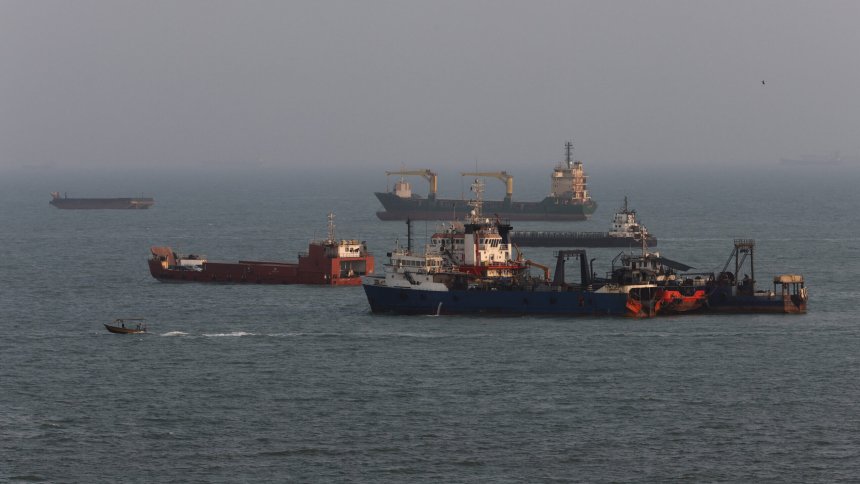
The United States has conducted defensive strikes against Iranian targets in the Strait of Hormuz, a U.S. official confirmed Monday, Nov. 2, as tensions rise in the Middle East ahead of America’s Nov. 3 midterm elections. The strikes raise fresh concerns about renewed fighting as diplomatic efforts continue.
The official, who spoke to The Associated Press on condition of anonymity, said the strikes targeted Iranians using surface-to-air missiles against U.S. assets. Iranian state television also reported explosions on Qeshm Island. The strikes appeared limited rather than a return to full-scale hostilities. However, they came after President Donald Trump had indicated that the United States would not launch new attacks on Iran before the midterm elections.
The latest strikes come as the Trump administration faces pressure to determine its next steps in a war that has lasted more than eight months and disrupted global markets. Thousands of American troops remain in waters off Iran as part of a naval blockade intended to prevent Iranian oil tankers from reaching international markets. A third U.S. aircraft carrier and additional troops are also heading to the Middle East.
At the same time, diplomatic efforts are continuing. Vice President JD Vance said Monday that he remained optimistic about the possibility of a negotiated settlement. Vance confirmed that he had sent a letter to Iranian security chief Mohsen Rezaei the previous week. Trump described the letter as focused on helping Iran obtain medical supplies and other assistance.
Iranian officials have not publicly ruled out negotiations. Rezaei described the change in Washington’s tone as a positive sign, while saying he had not yet responded to Vance’s letter. Israeli Prime Minister Benjamin Netanyahu has reportedly urged Trump to consider another round of military strikes against Iran after the U.S. elections. According to regional officials and a person familiar with the matter cited by AP, Netanyahu pressed the issue during a weekend call with Trump.
Meanwhile, Qatar has been facilitating discussions between Iranian officials and regional mediators. Two rounds of talks reportedly took place last week, with further negotiations planned for this week. The proposed framework would involve Iran stopping attacks in the Strait of Hormuz in exchange for the United States lifting its blockade on Iranian ports. Other U.S. allies in the Middle East have cautioned against renewed strikes, warning that a wider conflict could threaten regional security and shipping routes.
The conflict has also become an economic and political issue in the United States. Trump sought to downplay the scale of the conflict during a Washington speech Monday, saying the United States had not been fighting for months. The remarks came as oil prices fell amid signs of progress in diplomatic negotiations.
Share
What's Your Reaction?
 Like
0
 Dislike
0
 Love
0
 Funny
0
 Angry
0
 Sad
0
 Wow
0