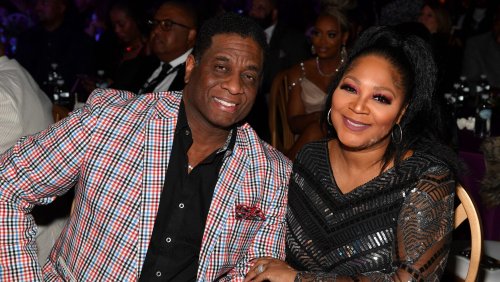
Tatyana Ali’s experience highlights an often-overlooked part of Black maternal health — the need to get up and bust a move
Black experts in physical and dance movement therapy break down how movement is vital during postpartum recovery. When Tatyana Ali

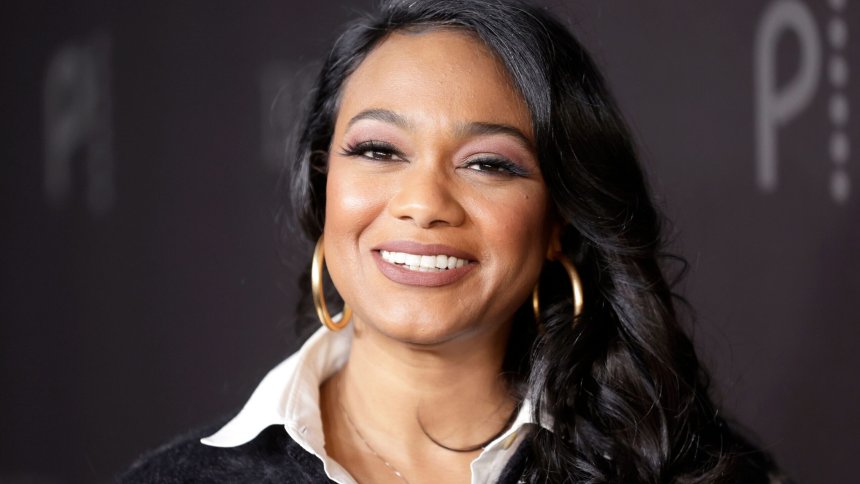

Black experts in physical and dance movement therapy break down how movement is vital during postpartum recovery.
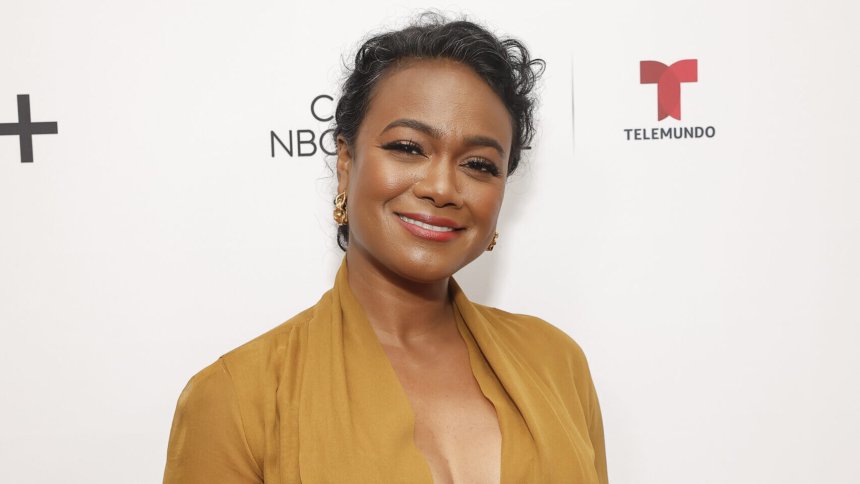
When Tatyana Ali went to move her body during a recent rehearsal for “Dancing With the Stars,” she felt something unlock in her hips before the tears came.
“It wasn’t even like crying,” said the actress, who shares two children with her husband, Dr. Vaughn Rasberry, in a video posted to Instagram on Monday. “It was a type of crying, but I cannot. I can’t explain to you what it was.”
The “Fresh Prince of Bel-Air” alum, who has been using her platform increasingly more to advocate for maternal health, went on to explain how much dance has helped her reconnect with her body after childbirth and how much she recommends movement for others.
“What’s important is, mamas, women, we have to move, we have to dance,” she declared.
While she couldn’t quite put the sensation into words, many others, including experts in both physical and dance movement therapy, can.
“She said she couldn’t describe it, but the word I would use is a cathartic release,” Tamara Akuna Hunter, an Atlanta-based licensed professional counselor, dance and movement therapist, certified perinatal mental health specialist, and founder of Womb Wisdom Wellness, told theGrio by phone on Wednesday.
“Sometimes we don’t have the words,” she continued. “Processing nonverbal and traumatic emotions, and not everyone who gives birth has a postpartum experience that is traumatic, but there are a lot of women who do.”
She added, “And I’ll go so far as to say a lot of Black women.”
Pregnancy, childbirth, and delivery put the body through quite a lot, whether the birth is traumatic or not. From the physical toll of carrying and delivering a baby to the massive emotional and psychological changes that come after, many mothers can find themselves feeling disconnected. According to the Centers for Disease Control and Prevention, roughly one in eight women experiences symptoms of postpartum depression, while Black women continue to face a maternal mortality rate nearly four times higher than their white counterparts. Amid an ongoing maternal health crisis, experts say intentional movement, including dance, can be one way for mothers to reconnect with themselves in vital ways.
“Your body goes through so many changes as a mother during pregnancy and the postpartum period, and like changes that you don’t really expect, so you feel a bit disconnected from yourself,” Dr. Brittney Wright, a Maryland-based physical therapist specializing in pelvic health and postpartum recovery, told theGrio. “Movement in general, the physicality of it and the mental component of it kind of just brings you back into feeling like somebody that you recognize again.”
The American Dance Therapy Association defines dance movement therapy (DMT) as the psychotherapeutic use of movement to promote emotional, social, cognitive, and physical integration of the individual, for the purpose of improving health and well-being. Part of why it’s so effective is that movement is innate in us.
“When you think about a child, that movement happens before the verbal happens,” Hunter explained. “You have the cooing and those things, but they’re moving their bodies and all of those things. So that really is our first language, and I think it’s about just kind of connecting the dots and getting back to it. Because movement and music, it’s medicine. Like it instantly makes you feel better.”
In her practice, Hunter uses a combination of movement, music, and traditional talk therapy to help clients process emotions that may be difficult to articulate. Depending on their needs, a session might include breathwork, grounding exercises, free-form dancing, or even having another person interpret their feelings through movement.
“When you hear a song, or you know you start moving your body, it’s like, ‘oh, okay, I’m starting to get some oxygen. My blood is flowing,’ and it can take you out of whatever mood that you’re in,” the therapist described.
Of course, there’s a level of vulnerability involved in letting yourself move so freely, especially when someone else is watching. Hunter explained that establishing trust with her clients is essential to helping them feel comfortable enough to explore whatever emotions may arise during a session.
“It’s about the process more so than the product. The magic is in the process, and what you discovered about yourself,” she explained.
Hunter noted that the transition into motherhood often entails an identity shift, as women adjust to new responsibilities while grappling with a sense of self that can feel swallowed by caregiving. Meanwhile, dance and movement can offer an opportunity to reconnect with individuality, regain a sense of agency, and process feelings people may not even realize they’ve been carrying.
“Those intense emotions sometimes are hard to articulate through traditional talk therapies,” she explained. “Movement sometimes can often provide a safe outlet, a safe expression.”
While dance can help mothers reconnect with themselves emotionally, there are also very real physical changes that can make movement an important part of postpartum recovery, whether that means dancing, Pilates, or physical therapy.
According to Wright, pregnancy alone can dramatically alter the body’s posture and muscle strength as it adjusts to carrying a growing baby. The additional weight and pressure on the front of the body can strain the back and hips, stretch abdominal muscles, and weaken the core, while childbirth itself can leave some mothers with injuries or lingering pain.
The physical therapist explained that exercises such as Pilates, along with pelvic floor physical therapy, can help rebuild strength, improve mobility, and address some of the changes that don’t always resolve on their own. However, she stressed that the benefits of postpartum movement aren’t about achieving a so-called “snapback,” when a person bounces back physically seemingly overnight.
“The snapback is not important,” she said. “We all grow old; all of our bodies change. I think babies are beautiful. I think the changes that they make in your body are beautiful. But if they are going to hinder your movement, you should get it checked out for sure.”
Wright, who returned to dancing herself last year after having children, also understands how difficult it can be for mothers to carve out time for themselves. For her, returning to a weekly dance class has been about rebuilding confidence and getting back into an activity that gives her some joy.
“It made me just show up for myself, prove to myself that I can, you know, do things that I once did before, that my body is still able to move, and I’m able to feel good and confident with it,” she recalled.
It’s an opportunity she wishes more mothers knew was available to them, particularly for postpartum physical therapy. Wright suggests that mothers consider getting an assessment after childbirth, even if they aren’t experiencing obvious pain or discomfort, because many of the physical changes they may have accepted as part of motherhood can actually be addressed.
“A lot of these things can be fixed, and people just don’t have the education to know, or the information is not out there for them to know that you can fix these things,” she explained. “These aren’t things that you have to live with, although they’re common. It doesn’t mean that they’re normal.”
For Hunter, expanding access to these kinds of resources is one small but important part of addressing the larger maternal health crisis, particularly for Black women. She hopes to see greater awareness of somatic practices and more clinicians trained to recognize when patients could benefit from movement-based approaches to healing.
Though regardless of what may have caused the disconnect for someone and their own body —whether it’s a traumatic birthing experience, a major injury, an eating disorder, mental health, or body dysmorphia—Hunter wants people to know help is out there.
“Any type of somatic practice or breathwork. Or anything that’s taking them internal and helping them to regulate that is really necessary and important,” she stressed.
She noted how sometimes the signs can be missed because physicians and caretakers aren’t always asking the right questions, especially when it comes to the follow-up timeline for postpartum people, nearly six weeks out, when many feel it should be sooner.
“I just want to encourage Black birthing people in particular, speak up, be honest. Tell someone that you trust if you are experiencing postpartum anxiety or depression or OCD or rage,” she urged. “There are skilled, trained perinatal mental health clinicians like myself who have certifications, who can help you.”
Share
What's Your Reaction?
 Like
0
Like
0
 Dislike
0
Dislike
0
 Love
0
Love
0
 Funny
0
Funny
0
 Angry
0
Angry
0
 Sad
0
Sad
0
 Wow
0
Wow
0