SNAP enrollment drops more than 13% as new work requirements take effect
SNAP participation dropped from 42.2 million to 36.6 million in one year amid expanded federal work requirements and other changes.

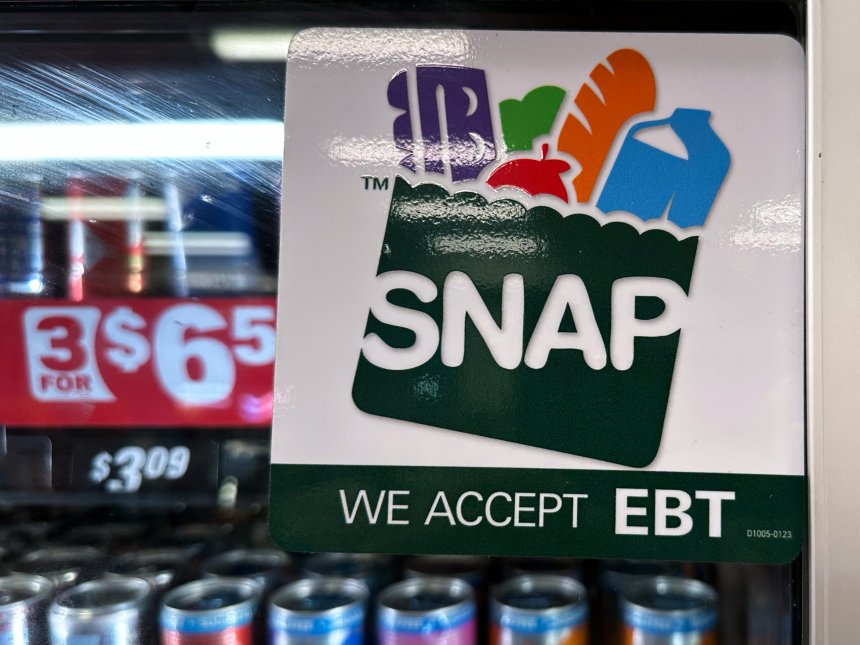
SNAP participation dropped from 42.2 million to 36.6 million in one year amid expanded federal work requirements and other changes.
Enrollment in the Supplemental Nutrition Assistance Program (SNAP) has fallen sharply across the United States. There has been more than a 13% drop in one year as new federal work requirements and other changes take effect. While supporters say the decline could indicate more people are moving toward financial independence, advocates warn that administrative barriers may also be cutting eligible families off from vital food assistance.
The number of Americans receiving SNAP benefits has dropped from 42.2 million in May 2025 to 36.6 million in May 2026, according to preliminary federal data cited by The Associated Press. That represents a decline of more than 13% in just 12 months and is happening faster than federal officials previously projected. The decline has been particularly dramatic in several states. Arizona recorded the largest drop, with enrollment falling by more than 50% over a 12-month period. Georgia, Louisiana and Nevada also recorded declines of more than 20%, while Florida saw enrollment fall by about 22%.
The changes follow the implementation of provisions in President Donald Trump’s sweeping tax and spending law, which expanded SNAP work requirements. Previously exempt adults between 55 and 64, as well as people with children ages 14 to 17, are now generally required to work, volunteer or attend school to maintain eligibility. Some groups that had previously been exempt, including homeless people, also face new requirements. 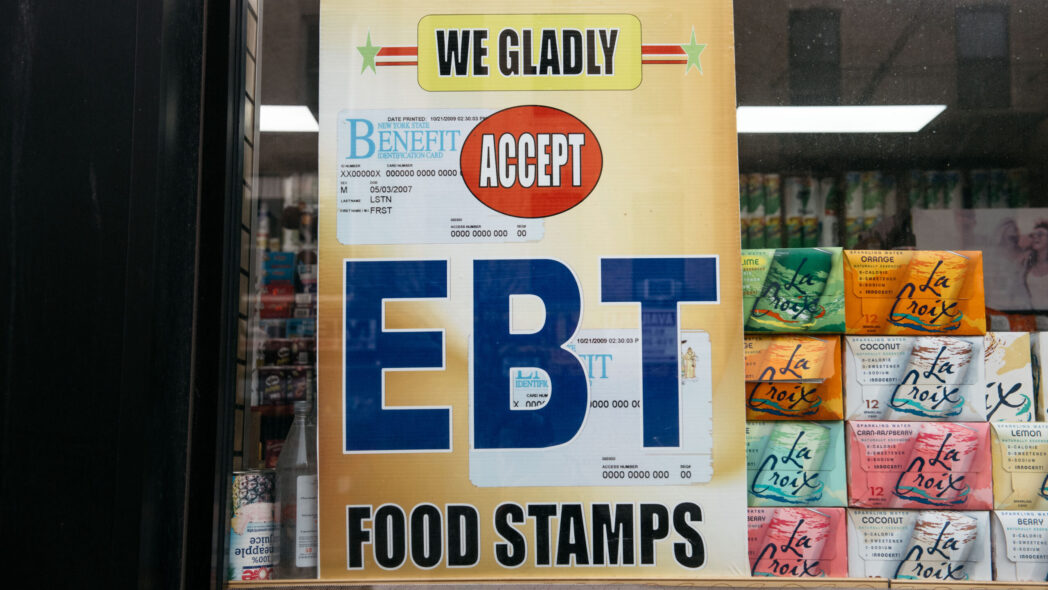
Supporters of the changes argue that shrinking SNAP enrollment rolls can be positive if people are leaving the program because they have increased their income and no longer need government assistance. The Heritage Foundation has said that people moving off welfare because they are working and becoming self-sufficient would represent progress.
In Arizona, officials acknowledged that the implementation of the new federal rules created unprecedented call volumes, additional verification requirements and administrative hurdles. Some eligible recipients have reportedly lost benefits because they failed to submit documents by deadlines or could not provide the required paperwork. For families living on limited incomes, losing SNAP can have consequences beyond access to groceries. SNAP participation can also connect households to other forms of assistance, including free school meal programs and nutritional support for women, infants and children.
The impact is already being felt by food banks, which have increased efforts to meet rising demand. Advocates caution, however, that charitable organizations cannot replicate the scale of SNAP.
Share
What's Your Reaction?
 Like
0
Like
0
 Dislike
0
Dislike
0
 Love
0
Love
0
 Funny
0
Funny
0
 Angry
0
Angry
0
 Sad
0
Sad
0
 Wow
0
Wow
0