How the Malcolm-Jamal Warner and Chadwick Boseman estate disputes spotlight a crisis affecting Black families nationwide
More than 70% of Black Americans die without a will or trust, leaving loved ones vulnerable to lengthy probate disputes,

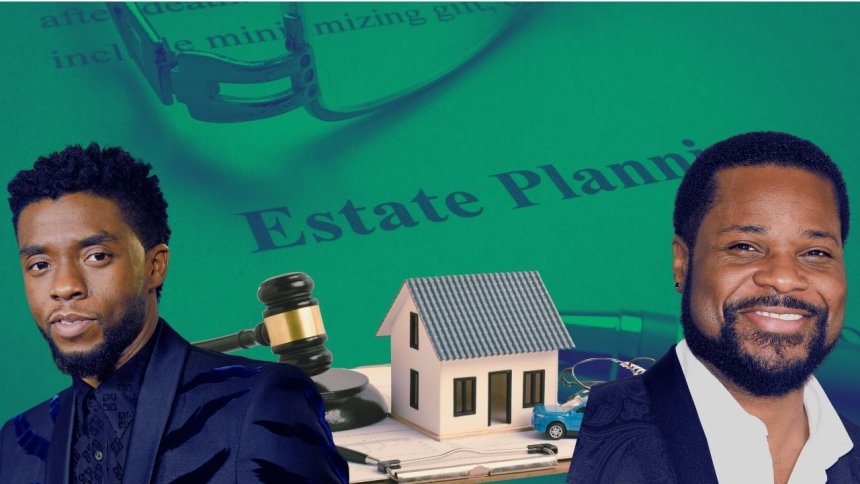

More than 70% of Black Americans die without a will or trust, leaving loved ones vulnerable to lengthy probate disputes, attorneys say.
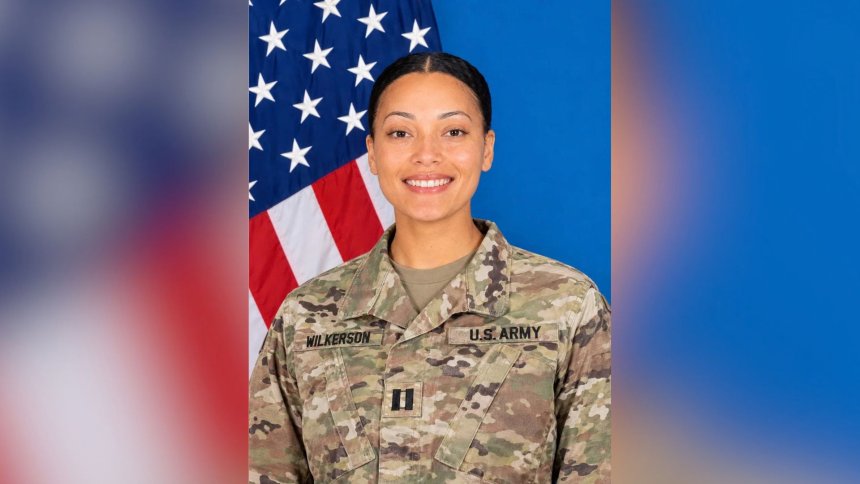
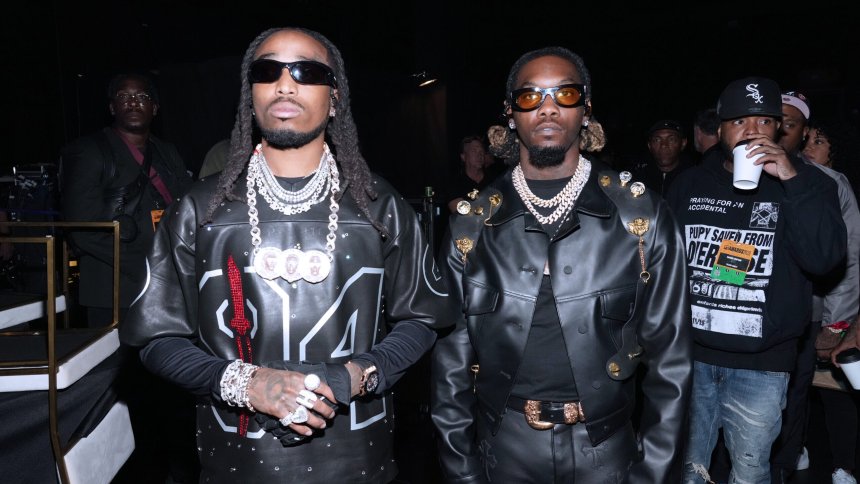
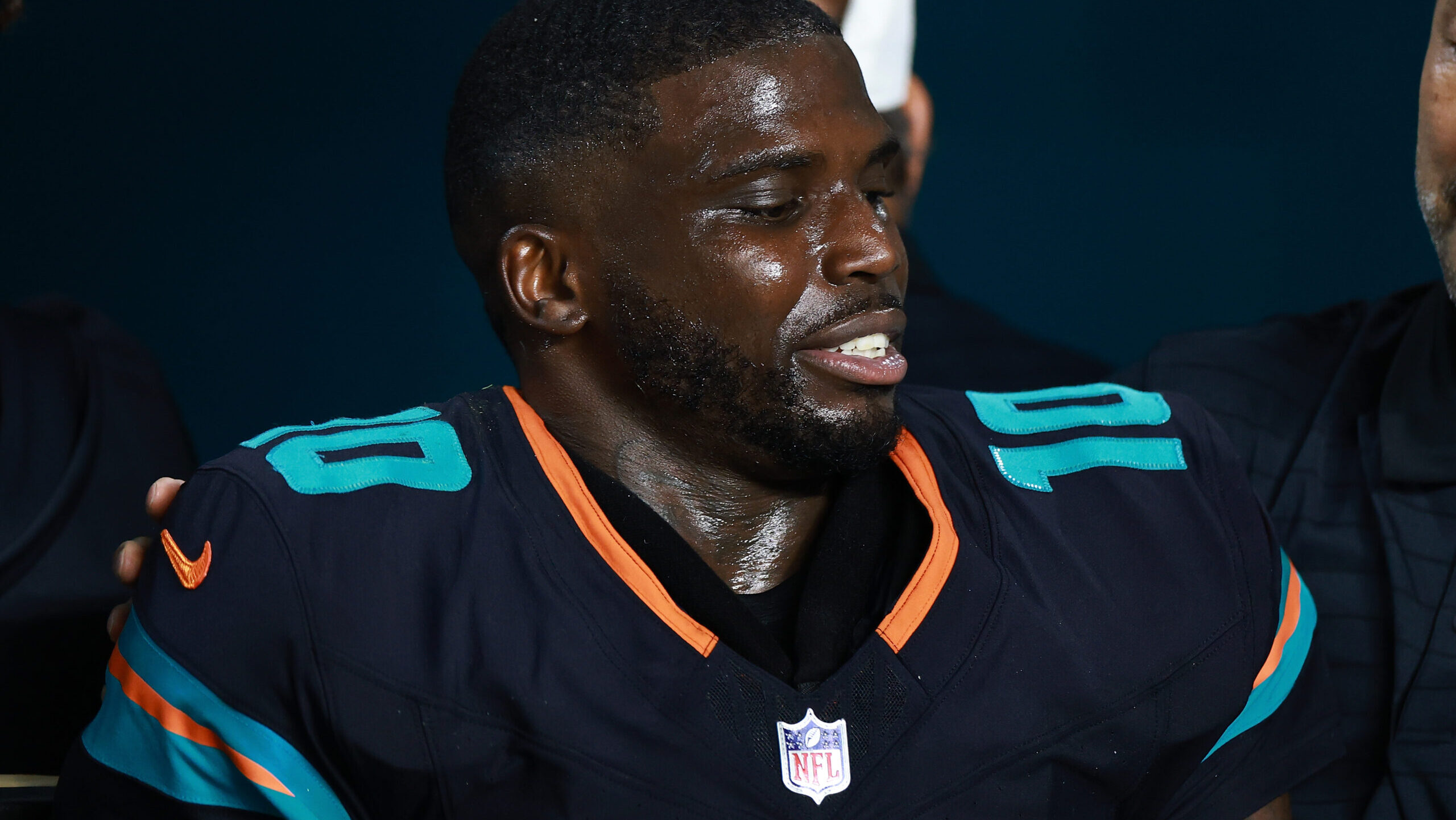
Just days apart this week, the families of late actors Malcolm-Jamal Warner and Chadwick Boseman have found themselves in the same place neither star likely imagined for the people they left behind: probate court.
A year after Warner’s sudden death by drowning at age 54, his widow, Tenisha Warner, is suing his mother over more than $1.2 million she says she’s owed under the couple’s prenuptial agreement. Meanwhile, nearly six years after Boseman’s death following a battle with colon cancer at age 43, the actor’s brothers have asked a California court to remove his widow, Taylor Simone Ledward, as administrator of his estate, alleging she has failed to distribute assets as previously ordered by the court. At the time of their deaths, neither had an updated will.
As both estates become the subject of public legal battles, estate planning attorneys say the headlines are only shining a light on a problem that plays out every day in Black America. More than 70% of Black Americans die without a will or trust in place.
“I think the biggest misconception is that it’s not going to impact my family if I don’t have something in place. And the reality is it will,” Atlanta-based estate planning, probate, and elder law attorney Maxwell Ndungu told TheGrio by phone on Friday.
There’s quite a lot on the table for families to potentially lose out on, too.
The cases of both Chadwick and Warner are arriving at a time when Black Americans could be participating in what experts have called the largest intergenerational wealth transfer in U.S. history, with an estimated $68 trillion expected to pass from one generation to the next over the next 25 years, per CNBC. Yet experts say far too many families are still putting off estate planning, leaving everything from a family home to a savings account to an old car vulnerable to probate court, costly legal battles, and disputes that can linger for years after a loved one dies.
For many families, the biggest obstacle isn’t a lack of love or good intentions. It’s simply putting off a conversation that feels uncomfortable until it’s too late.
“It’s taboo to talk about death, and that’s probably the biggest thing,” Ndungu said. “The other thing is cost.”
One of the biggest myths he hears from clients is that estate planning is only for wealthy people.
“Everyone has an estate,” the attorney noted, adding, “It just depends on the size of it.”
That’s true whether someone is leaving behind millions of dollars or simply hoping to pass down the family home, a reliable car or a modest savings account. No matter what the asset or assets are, he said, having a plan in place can make all the difference. While a trust often requires a larger investment upfront, it can also spare families years of probate court, legal fees and delays in accessing the assets a loved one intended to leave behind.
“If you’re talking about going through court, like these cases we’re talking about, this is six years in,” Ndungu explained in regard to Boseman. “How much expenses have been incurred to administer it? If it was in the trust, we’re talking about something a little bit different because we’re not having to wait for the court… What you had intended to leave them, it’s going to take them a lot longer to get it, and it’s on the court’s time versus when they need to get it.”
Perhaps more importantly, he said, people have to stop thinking estate planning is something they’ll get around to someday.
“It’s shocking when well-known people pass, especially when they’re young,” the lawyer said.
“But the reality is … people don’t have to be a certain age,” he continued. “I understand it’s not a comfortable conversation to be having. However, when you face the discomfort with that, you can actually create a lot of clarity down the road. So while people think they’re saving someone by not having these conversations, they’re actually delaying and complicating things later on.”
Share
What's Your Reaction?
 Like
0
Like
0
 Dislike
0
Dislike
0
 Love
0
Love
0
 Funny
0
Funny
0
 Angry
0
Angry
0
 Sad
0
Sad
0
 Wow
0
Wow
0