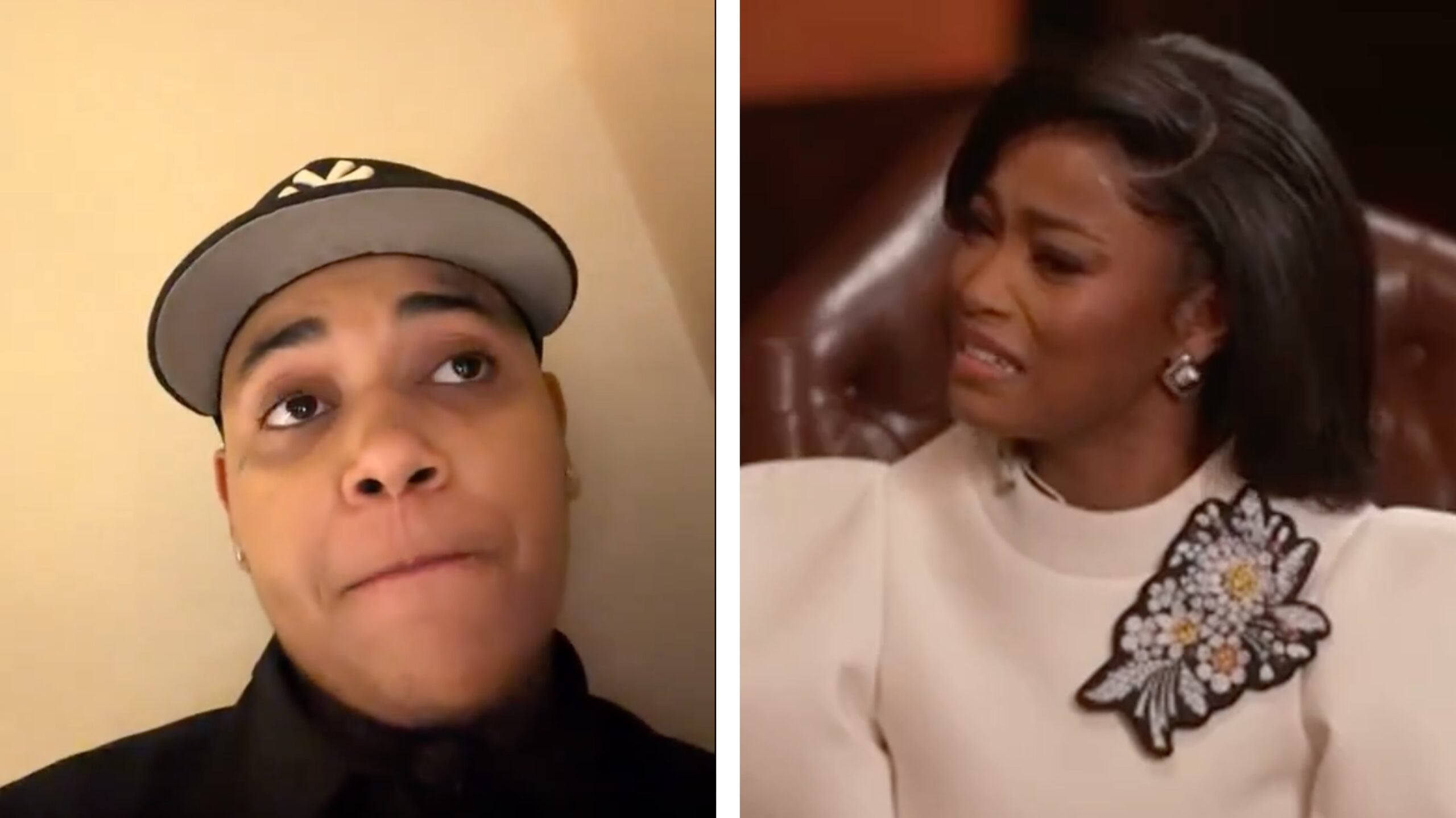
‘This is all men’s fault’: Issa Rae gets candid about Hollywood, power and frustration
Issa Rae got candid during Variety’s Power of Women event about the barriers women are facing in Hollywood and the

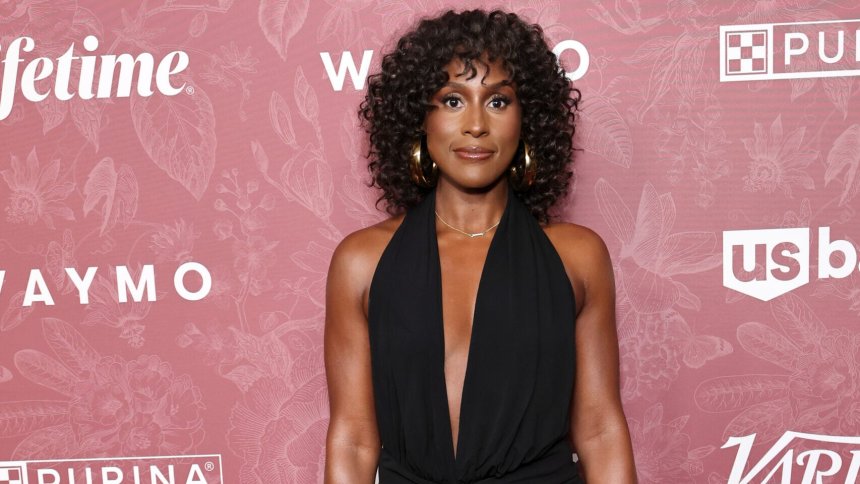

Issa Rae got candid during Variety’s Power of Women event about the barriers women are facing in Hollywood and the powers that be.
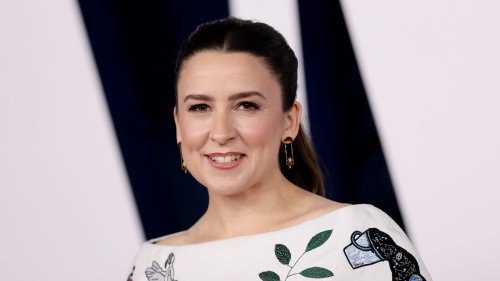
When Issa Rae sat down to write her acceptance speech for Variety’s Power of Women ceremony, after getting over the initial shock that she had been chosen, she was hit with something akin to writer’s block.
The 41-year-old award-winning writer, producer, and actress, who accepted Variety’s Entertainment Entrepreneur of the Year Award on Wednesday, Sept. 23, during the outlet’s Power of Women event at the Beverly Hills Hotel, admitted she struggled to find words that could muster up any form of inspiration or encouragement for other women after what has felt like major hurdles and setbacks in a world set on fire by rich, powerful white men.
“Thank you to all the other amazing women for being so inspiring. I’m gonna be real. I don’t have an inspirational speech. I don’t have it in me today,” she admitted from behind the podium.
“I’m so sorry. I just, I really don’t. I heard they wanted to give me this award, and I was like, ‘Why? I haven’t done sh— this year. And my publicist just emailed me back a bunch of things that I’ve done this year, and was like, ‘B— just go.’ And I was really honored that she took the time to write it out, and I was like, ‘Oh, maybe I do deserve this. Okay, I’ma go,’” she continued. “But then I was like, ‘F—! I gotta write a speech in three to four minutes. That’s so long.’ So then I just kind of forgot about it because I was working, and then I got distracted because the deadline was approaching, and the industry just keeps eating itself.”
The “Insecure” creator got even more candid in her speech about what she has been up against in Hollywood while also being a Black woman in America.
“This country has just been countrying, and I mean that very pejoratively. And then I think about El Nino and El AI and how that’s gonna f— us all up,” she continued. “And then I thought, this is all men’s fault.”
She added, “Like it’s rich white men to be specific for this moment, and I hate that I’m not passing the Bechdel test, but it is hard to feel like a powerful woman when men keep f—g everything up.”
Given with her usual humorous candor, the speech arrives at a time when so many across industries and walks of life have reached a breaking point, watching hard-won progress stall or disappear altogether while new threats continue to emerge. It’s not hard to see how she came to that conclusion.
Just looking at Hollywood and the entertainment industry alone, while women continue to face pay disparities and limited representation at decision-making tables, Black women in particular face even starker barriers, from pay and limited roles to colorism, inadequate hair and makeup resources, and a continued lack of Black women behind the camera and in the boardroom.
For actress, filmmaker, and cultural commentator Malynda Hale, who has spent years working both in front of and behind the camera and recently directed the independent film “Au Gratin,” Rae’s admission was particularly poignant because of just how much she has already managed to build.
“Even for someone in her level of career, I’m looking to her like, ‘Okay, what did she do? How do I even get there?’” Hale told theGrio by phone on Thursday. “So for her to even feel like she hasn’t even broken through the glass ceiling, so to speak, it’s almost kind of discouraging.”
Hale said part of the problem is who continues to receive the money and opportunities in Hollywood. While young white filmmakers can land major backing relatively early, she said, independent Black filmmakers can spend years struggling simply to get funded or get through the door.
Recent data from the USC Annenberg Inclusion Initiative, which tracks the directors of the top 100 highest-grossing films each year, found that women of color accounted for just 5.4% of directors behind them. While that represented a record high, women overall directed just 8.1% of them, down from 13.4% in 2024 and the lowest share since 2018.
Beyond Hollywood, women still lag behind men in pay and representation at the highest levels of corporate leadership. Women currently lead just 11% of Fortune 500 companies, even as that figure represents a record high, and the United States has still never elected a woman president. Let’s not forget the dismantling of Roe v. Wade and the gutting of federal voting rights protections.
Those barriers can show up long before anyone gets the chance to direct a major film. Hale said that as an actress, she has encountered a narrow idea of what Blackness is supposed to look like on screen, including in auditions where she felt she did not fit someone else’s version of it.
“We as Black people want to be able to tell our own stories, but I think when we do that, people don’t think that what we have to tell is universal,” she continued. “Just because there’s a Black face in the story doesn’t mean that anybody from any walk of life can’t relate to it.”
New data released this month also showed that while the gender pay gap narrowed overall, it actually widened for Black women. Among full-time, year-round workers, women overall earned 84 cents for every dollar earned by men in 2025, up from 81 cents the year before. Black women, meanwhile, earned just 64 cents for every dollar earned by white, non-Hispanic men, down from 65 cents in 2024.
The widespread adoption of artificial intelligence, especially in the entertainment industry, has added another layer of uncertainty as creatives wrestle with what the technology could mean for their work and already scarce opportunities. Artists, writers, and other creatives have also raised ongoing concerns about their work being used to train generative AI systems without their permission or compensation.
This isn’t the first time Rae has spoken so candidly about the systemic barriers she’s encountered in Hollywood or the toll they’ve taken. In 2024, while speaking to Time, she openly criticized Hollywood for retreating from many of the promises made in 2020 to champion diversity and Black creatives, saying she had watched the industry pull back as projects centered on people of color were canceled or stalled.
Earlier this year, while speaking at TheWrap’s Creators x Hollywood Summit in April, she shared some of the compromises she’s had to make as that retreat continued, including changing the language she uses to pitch projects, despite how “icky” that may feel. For example, instead of pitching a project about a Black woman, she would say it’s about class.
Hale has watched that retreat play out from the independent side as well. While she still sees hope there, she said Black stories continue to be treated as a greater financial risk, with opportunities for one Black creative too often made dependent on whether another Black-led project succeeds.
“It’s frustrating that other Black people’s success is dependent on other Black people’s success, but it’s not the same for white stories at all,” she said.
Still, just as she eventually found her way through writing this speech, during her remarks on Wednesday, Rae said she refuses to give in to hopelessness. Instead, she plans to do what she hopes we all can do in times like these and find whatever power we have, whether that means choosing who to platform, who to work with or where to pour our resources, and use it for good.
“I can use the power I do have to pour into my little community to make sure whatever success I’m lucky enough to have doesn’t stop with me,” the showrunner said. “And even when I’m tired, pissed off, or deeply uninspired by what’s happening around me, I can honestly say that nothing can stop me from trying to figure out where I can be useful.”
She added, “Because, as discouraged as I may get, I’m never going to stop trying. And thank you, thank you for applauding my effort. And you know, maybe that’s all any of us can do is just figure out where we have some power, a little power, and use it the f— for good, please.”
It’s a solution Hale has been thinking a lot about, too. She would love to see more Black Hollywood power players pool more of their resources together and build their own avenues for the filmmakers and artists coming behind them. In her view, there may be more collective power available than the industry has allowed Black creatives to believe.
She said, “I really do think that we have more power than we think.”
Share
What's Your Reaction?
 Like
0
Like
0
 Dislike
0
Dislike
0
 Love
0
Love
0
 Funny
0
Funny
0
 Angry
0
Angry
0
 Sad
0
Sad
0
 Wow
0
Wow
0