Black workers challenge AI hiring platform in case that could reshape workplace discrimination law
A federal lawsuit against Workday could determine whether companies that build AI hiring tools—not just employers—can be held accountable for

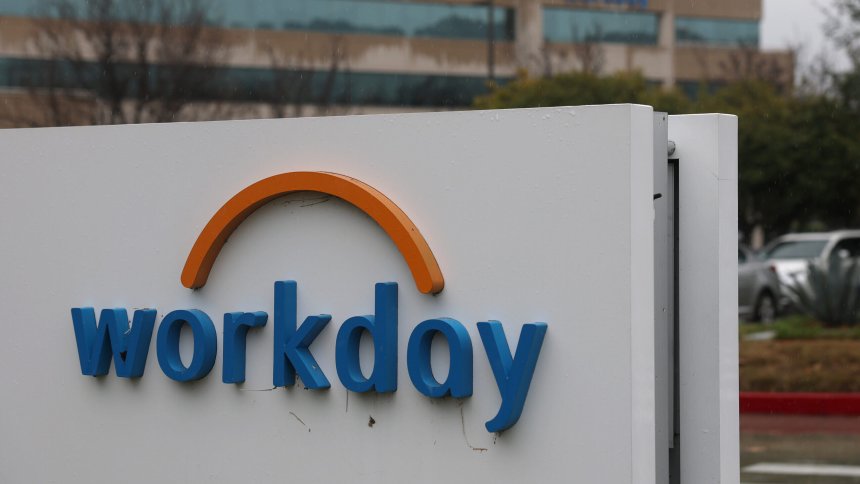

A federal lawsuit against Workday could determine whether companies that build AI hiring tools—not just employers—can be held accountable for discriminatory outcomes.
A federal lawsuit challenging one of the country’s largest AI-powered hiring platforms is raising a question that could reshape the future of employment discrimination: When artificial intelligence screens out qualified job candidates, who should be held responsible?
The case centers on Derek Mobley, a Black man over 40 with disabilities who alleges that Workday’s hiring software repeatedly rejected his applications despite his qualifications. According to a Reuters report , Mobley says he applied for more than 100 jobs through companies using Workday’s platform and believes the company’s AI systems relied on biased historical hiring data that disproportionately harmed Black, older and disabled applicants.
The lawsuit has become one of the country’s most closely watched legal battles over AI hiring because Mobley is suing the software provider itself—not the employers who used the technology.
Last year, a federal judge allowed the case to move forward under a “disparate impact” theory, finding that the allegations warranted further examination. As detailed in Reuters’ coverage of the ruling, that legal standard focuses on whether a seemingly neutral practice disproportionately harms protected groups, even without evidence of intentional discrimination.
The outcome could have sweeping implications. Reuters reports that Workday’s software is used by roughly two-thirds of Fortune 500 companies and processes hundreds of millions of job applications annually.
Workday has denied wrongdoing.
“The technology does not make hiring decisions,” the company has argued, maintaining that its software evaluates job-related qualifications rather than protected characteristics.
The case arrives as AI has become nearly unavoidable in hiring. As Reuters notes, most large employers now use artificial intelligence somewhere in the recruiting process—from screening résumés to ranking candidates before a recruiter ever reviews an application.
For Black workers, civil rights advocates have long warned that AI trained on historical workforce data can reproduce existing inequalities unless companies regularly test those systems for bias.
A hearing on whether the case can proceed as a class action is scheduled for March 2027. If certified, it could allow thousands of applicants who say they experienced similar discrimination to pursue their claims together—potentially establishing a precedent for how courts assign responsibility when algorithms shape employment opportunities.
Share
What's Your Reaction?
 Like
0
Like
0
 Dislike
0
Dislike
0
 Love
0
Love
0
 Funny
0
Funny
0
 Angry
0
Angry
0
 Sad
0
Sad
0
 Wow
0
Wow
0