Why Black women are rethinking what success is supposed to feel like
A growing number of Black women are redefining success beyond promotions, paychecks and leadership titles. For decades, success for Black


A growing number of Black women are redefining success beyond promotions, paychecks and leadership titles.
For decades, success for Black women often meant breaking into systems that were not built for them. Climbing the ladder, earning the title and securing a seat at the table were seen as signs of achievement. Today, a growing number are redefining success on their own terms, even if that means walking away from traditional career paths.
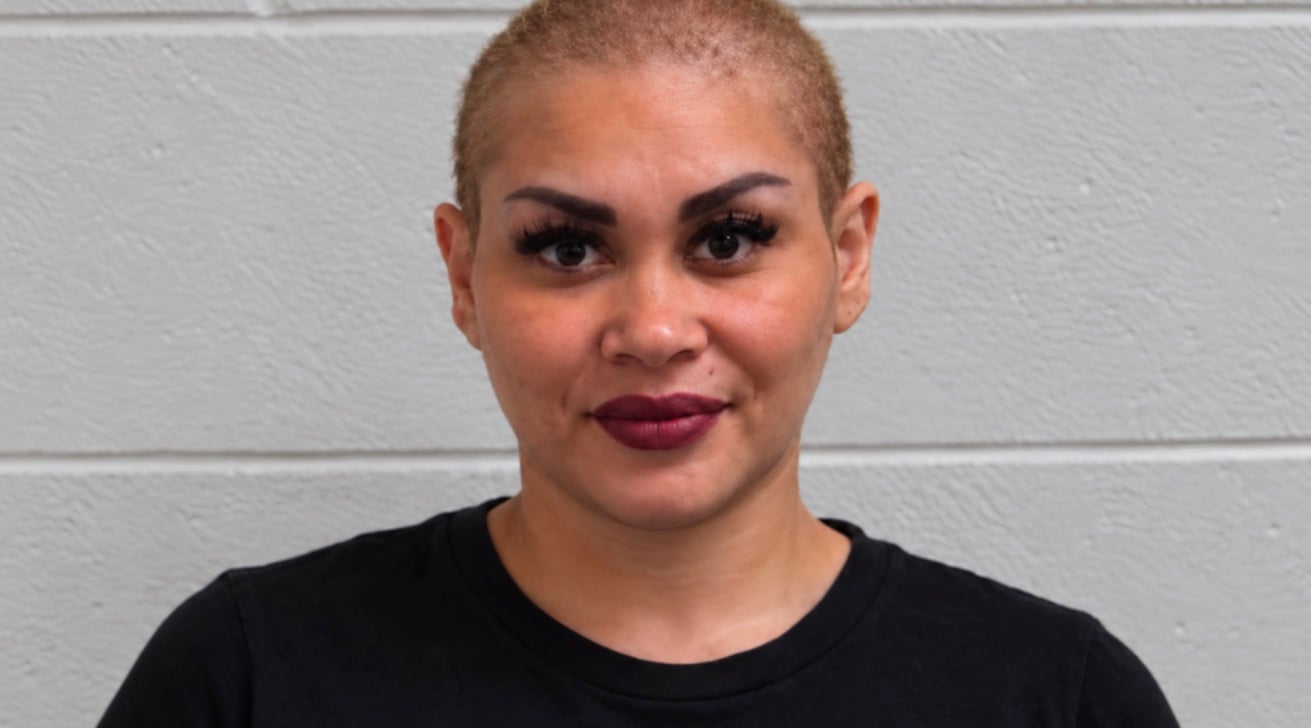
Kamilah Martin, founder of Katalyst and an advocate for women of color navigating career transitions, has spent years working with highly qualified women leaving senior leadership roles and building independent consulting businesses. According to Martin, the women she works with are not stepping away from work due to a lack of ambition. Instead, many are reevaluating what they want their careers to provide beyond a paycheck or title.
“High-performing women leaders aren’t disappearing from the workforce; they’re redefining it,” Martin told Forbes. “The organizations that embrace the fractional and independent workforce will thrive in an era where trust, agility and innovation matter most. We can all stay clenched to the ‘old ways,’ or we can evolve.”
Martin said the shift is often driven by frustrations that have been building for years. Many women enter leadership pipelines only to encounter barriers that make advancement more challenging while also carrying responsibilities that extend beyond their job descriptions.
According to Lean In and McKinsey & Company’s 2025 “Women in the Workplace” report, Black women face some of the steepest barriers to promotion. The report found that for every 100 men promoted to manager, only 60 Black women receive the same opportunity.
Those disparities have shaped how many women think about career growth. Reaching the next level often requires navigating challenges that extend beyond job performance, including bias, heightened scrutiny and additional workplace responsibilities. As a result, some women are questioning whether traditional measures of success fully reflect the realities of their professional experiences.
The conversation is not about abandoning ambition. Instead, it reflects a growing recognition that career achievement and personal well-being do not have to exist in opposition to one another. Leadership positions and higher salaries remain important goals, but many women are also considering whether those accomplishments leave room for the things they value outside of work.
Black women have often been expected to do more with less. They have been encouraged to outperform expectations, navigate workplace challenges and remain resilient in environments where they may be underrepresented. Those expectations have frequently been reinforced through the “Strong Black Woman” trope, which celebrates perseverance and strength but can also make it difficult to acknowledge stress, exhaustion or the need for support.
As conversations around mental health have become more visible, many women are reassessing those expectations. Working long hours, being constantly available and sacrificing personal well-being in pursuit of professional success are no longer viewed as requirements by everyone. Increasingly, women are questioning whether achievement should come at the expense of their health, relationships and quality of life.
That shift has become more visible through conversations online and in professional circles. Women are openly discussing burnout, career pivots, entrepreneurship and work-life balance in ways that previous generations often did not. Social media has created space for people to share experiences, compare perspectives and challenge long-held assumptions about what a successful career should look like.
Career milestones still matter, but they are no longer the only measure of achievement. Many women are expanding their definition of success to include flexibility, well-being and autonomy. Some are pursuing leadership opportunities while establishing stronger boundaries around work. Others are choosing roles that offer greater flexibility, even if those positions do not include the highest salaries or most prestigious titles.
Entrepreneurship has become one avenue for women seeking greater control over their careers. According to Wells Fargo’s latest Impact of Women-Owned Businesses Report, Black women-owned employer businesses grew by 13% between 2024 and 2025, while revenue increased nearly 6%. Black women-owned nonemployer businesses also grew by 13%, with revenue rising 8%. By comparison, women-owned businesses overall grew by 4.4% during the same period.
Meanwhile, others are exploring consulting, freelance work and other forms of independent employment. Rather than relying on a single employer to provide both financial security and professional fulfillment, some are building careers around multiple income streams and greater flexibility. The goal is not necessarily to work less, but to have more control over how and where that work is done.
The shift is also influencing how younger women approach career decisions. Workplace culture, flexibility, mental health benefits and opportunities for growth are increasingly being weighed alongside salary and title. In some cases, women are choosing positions that offer a better quality of life, even if those roles are not viewed as the most prestigious.
Financial stability remains an important consideration. Rising housing costs, student loan debt and caregiving responsibilities continue to shape the choices many Black women make. Not everyone can leave a demanding job or pursue entrepreneurship, and economic realities often limit the options available.
The corner office may still represent success for some. For others, success means having more time with family, protecting their mental health, building a business, working remotely or simply having greater control over their daily lives.
Rather than accepting a definition of success that was handed to them, many Black women are creating their own. In doing so, they are expanding the conversation beyond titles and paychecks and challenging the idea that achievement can only be measured by a single path.
Share
What's Your Reaction?
 Like
0
Like
0
 Dislike
0
Dislike
0
 Love
0
Love
0
 Funny
0
Funny
0
 Angry
0
Angry
0
 Sad
0
Sad
0
 Wow
0
Wow
0