The Waiting Game Many Car Accident Victims Don’t See Coming
Pixabay.com royalty-free image #1620608, ‘crash test, collision, 60 km h’ uploaded by user Pixel-mixer, retrieved from https://pixabay.com/photos/crash-test-collision-60-km-h-1620608/ on January 23rd, 2020. License details available at https://pixabay.com/en/service/terms/#usage – image is licensed under Creative Commons CC0 license Car accident victims rarely see the waiting game coming because the crash itself happens in seconds, while the recovery process [...]


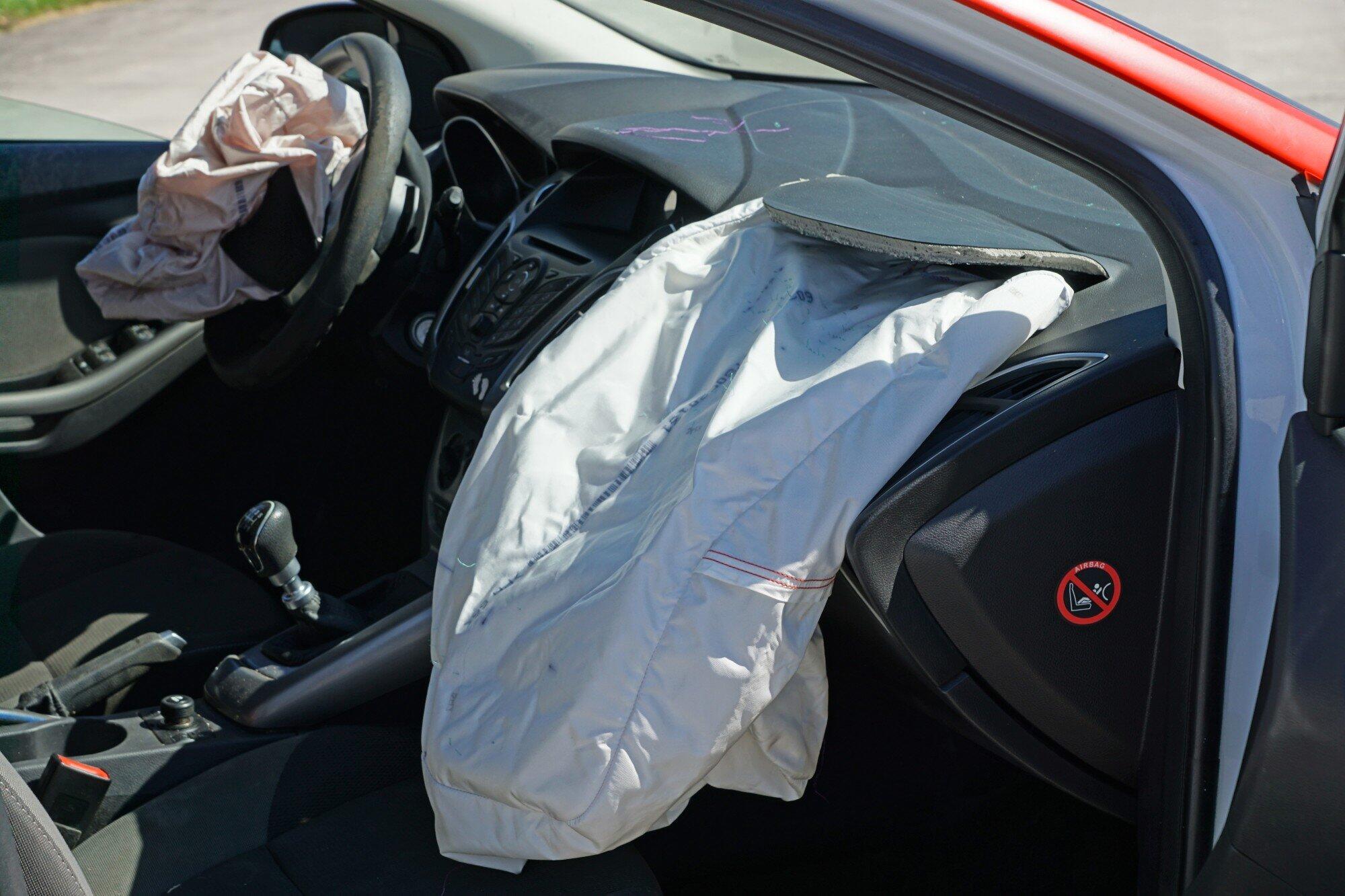
Car accident victims rarely see the waiting game coming because the crash itself happens in seconds, while the recovery process unfolds across months or even years. Medical bills arrive immediately, but the compensation meant to cover them often does not. Most auto accident settlement negotiations are completed in several months, but more complex personal injury claims may take a year or longer to finalize.
For Black families, who statistically carry less savings cushion to absorb missed paychecks and mounting bills, that waiting period is not a minor inconvenience. It is a financial stress test that arrives without warning, right after physical trauma, often at the exact moment a family can least afford it. Lost wages compound the problem fast, since most households cannot go several months without a full paycheck before real consequences set in.
Why Does It Take So Long to Settle a Car Accident Claim?
Settling a claim involves more steps than most people realize before they ever file one. The insurance company must first investigate the accident, gather police reports and witness statements, and determine liability before any settlement number is discussed. Insurance claims typically settle faster than lawsuits, often within three to 12 months if liability is clear, while lawsuits stretch the timeline to one to three years or more.
Medical treatment timing adds another layer entirely. You are expected to reach what insurers call Maximum Medical Improvement before a fair settlement can even be calculated. Settling before you understand the full capacity of your injuries can mean losing money you will need months down the road. Insurers know this, and some use the pressure of unpaid bills to push you toward signing early.
The Insurer’s Incentive to Stall
Insurance companies are not neutral parties in this process. Some carriers deliberately delay claims, request redundant documentation, or make lowball offers, hoping financial pressure forces you to accept less than your claim is worth. That tactic works more often on people who cannot afford to wait, which disproportionately affects working-class Black families navigating this process without legal guidance.
What Causes the Most Common Delays After a Car Accident?
A handful of issues account for most extended timelines. Disputed liability sits at the top of that list: when fault is unclear or contested, insurers slow down or deny claims while they investigate further. The following factors consistently extend settlement timelines:
- A disputed fault between drivers, which triggers extended investigation periods
- Unanticipated recovery hurdles, such as severe or unclear injuries that require ongoing treatment before a fair valuation is possible
- Multiple parties are involved, such as rideshare drivers or commercial vehicles, which adds corporate insurers to the mix
- Missing or incomplete medical documentation that gives adjusters grounds to question your claim
- Court backlogs in cases that proceed to litigation rather than settling out of court
Each of these post-accident challenges compounds the others, turning what should be a straightforward claim into a prolonged ordeal that drains both time and financial stability for the people involved.
Documentation Is Your Strongest Defense Against Delay
Gaps in medical treatment give insurers ammunition to argue your injuries were not serious or were pre-existing. Keep every:
- Medical bill
- Treatment document
- Prescription receipt
- Pay stub showing lost income
- Photograph of visible injuries as they heal
Strong, consistent documentation shortens the negotiation phase because it removes the insurer’s ability to dispute what actually happened to you.
What Can You Do While You Wait for Your Settlement?
The waiting period does not have to be passive. Continuing consistent medical treatment, following through on every recommended appointment, and keeping detailed records all strengthen your position while the claim moves through the system. Reaching out to a personal injury attorney early, even before deciding whether to pursue litigation, gives you clarity on what your specific timeline realistically looks like and what to expect at each stage.
Understanding car accident settlement timelines before you commit to any offer protects you from settling too early out of financial desperation. A lawyer who understands these delay tactics can often move negotiations forward faster than you could on your own, because insurers know they cannot stall indefinitely once legal representation enters the picture.
Budgeting for the wait matters just as much as documenting your injuries. Talk to creditors early about your situation, ask about hardship programs for medical bills, and avoid making major financial decisions based on an assumption about when your settlement will land. Community resources, including legal aid clinics and church-based financial counseling, can help fill the gap many families face during this difficult stretch.
Frequently Asked Questions
How Long Do Settlements Usually Take for Car Accident Victims?
For car accident victims, simple cases with clear liability and minor injuries can be resolved in a few weeks to a few months. Cases involving disputed fault, severe injuries, or litigation can take one to three years or longer. The specific timeline depends heavily on your state’s legal process and how cooperative the insurance company chooses to be.
Can I Get Money While Waiting for My Settlement?
Depending on your state and policy, personal injury protection coverage may provide partial reimbursement for medical expenses and lost wages while your larger claim is still pending. Some states require this coverage and process it within 30 days of complete documentation. Speaking with your insurer directly about available interim benefits and confirming exactly what paperwork triggers that payout is worth doing early in the process.
The Wait Is Real, But As A Car Accident Victim, It Does Not Have to Break You
Car accident victims deserve to know upfront that the path to compensation rarely moves as fast as the bills do. Understanding the process, documenting everything, and getting legal guidance early are the tools that protect you during the wait. The system is built with hidden accident delays baked into it, but knowledge of those delays gives you real leverage to navigate legal waits and push back against tactics designed to wear you down.
For more consumer guidance, legal literacy, and community resources, explore more articles on this site.
Share
What's Your Reaction?
 Like
0
Like
0
 Dislike
0
Dislike
0
 Love
0
Love
0
 Funny
0
Funny
0
 Angry
0
Angry
0
 Sad
0
Sad
0
 Wow
0
Wow
0