Savannah James Hermès experience has many wondering why Black people still shop from these brands
From Hermès to Chanel, stories of Black shoppers facing alleged discrimination are reigniting conversations about luxury, status and spending power.


From Hermès to Chanel, stories of Black shoppers facing alleged discrimination are reigniting conversations about luxury, status and spending power.
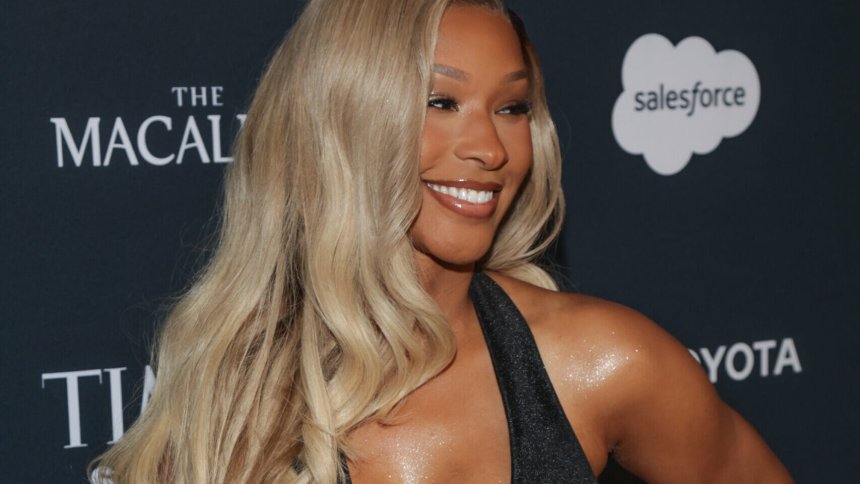
A luxury brand store must hate to see Savannah James coming.
The 39-year-old entrepreneur and wife of LeBron James recently recalled on an episode of the “Question Everything” podcast two separate occasions when Hermès and Chanel employees were fired after denying her access or treating her poorly.
While in conversation with the host and James’ friend and co-podcast host April McDaniel, the topic turned to some of the luxury experiences the two have indulged in when McDaniel reminded her of what happened at Hermès.
“One time we went to Milan [and] they treated us like s–t,” McDaniel said.
The two women explained that they once had an appointment at the legacy brand’s Milan location, but when they arrived, a sales clerk denied them entry and closed the store. Instead of walking away and giving up, McDaniel said they reached out to representatives for the store at the corporate level. Before long, they were back inside, being treated to caviar and macarons in a private room with nearly the entire store’s inventory available for them to shop.
“And [they] fired the lady,” McDaniel quipped.
“I said, ‘Baby, you caught the wrong one today,’” McDaniel continued, explaining that Savannah is “very nice” while she is not.
“You want some smoke? You done caught one. I am crazy like that,” McDaniel continued.
Then the ladies noted something similar happened when they went to a Chanel store. Without giving as much detail or specifying the location, James said she picked up a bag she was considering when a male sales clerk told her, “Don’t touch. Put it back.”
At the time, James simply said, “Oh, okay.” Once again, though, the two reached out to the powers that be, and that sales clerk was also promptly helped out of his position.
When the host asked whether experiences like these leave a bad taste in their mouths, both women gave a resounding “yes.” When asked if they still shop at the brands, James hesitated, but neither flat-out said they didn’t. McDaniel said she of course does, while James, without specifying which brand she meant, said she hadn’t actually been back.

The lively conversation is picking up steam online as more people question why Black consumers continue to shop brands with a history of denying us access and showing that despite our status, fame and purchasing power, they still don’t always value us. Hermès may fetch prices that rival the cost of brand new luxury sedans with all the features, but James is the wife of arguably one of the greatest basketball players in the world who also happens to be one of the wealthiest athletes in the world with a reported networth of $1.4 billion. There have been other viral examples just this summer of Black people being denied access to luxury brands or exclusive spaces, adding more evidence to the larger point.
Earlier this summer, in late July, social media influencer and clothing brand founder Daphne Blunt took to Instagram to reveal in a Reel that she had been denied her usual experience and standard of customer service while at the Hotel Bel-Air.
According to Blunt, she was there with friends who are white when an employee asked to see her ID. Blunt admitted she had left her physical ID at home, but she had a passport and a scannable digital ID. The employee refused to accept either form of identification and also refused to serve her alcohol. While the validity of her IDs was apparently in question, Blunt claims the employee didn’t actually scan her friends’ IDs, raising the question of why her two other forms were unacceptable.
“I just had no other way to feel about this other than it was racially motivated,” Blunt said. “I go there all the time with my parents and when I’m with my dad who’s white I’ve never been carded. She went out of her way to humiliate me in front of my friends in this place that I go to all the time. This place where I’ve always felt comfortable and that I’ve always felt welcomed, that I’ve always felt safe in and I don’t want to go there now.”
Then in August, an older Black man who goes by the name Stephen Williams and described himself as a longtime customer of Louis Vuitton was seemingly denied access to one of the brand’s retail stores. In video circulating online, he is seen attempting to enter the location when an employee informs him that the store is “closing shortly” and later explains that customers are admitted according to “a system for how we manage the client experience when they come into one of our stores.” A guard then asks him what he intends to buy.
“I’ve never, ever, ever had to give a reason to come inside the store,” Williams says in the video.
Their experiences, along with James’, land on top of a long legacy of this happening. Few will forget how Oprah Winfrey, at the height of her show’s fame, was denied access to Hermès in Paris and later prohibited from buying a bag at a location in Switzerland in an incident not unlike James’ Chanel experience.
“Let this land for every Black person chasing the idea that enough money buys you out of it,” Cory James began in a post on Threads.
“Savannah James, wife of a billionaire, one of the most recognizable families on earth, says she was turned away from a Hermès with an appointment,” he continued. “The saleswoman didn’t see the net worth, she saw 2 Black women and closed the store. Racism doesn’t check your bank balance; it clocks your skin first, every time, and the receipt never mattered.”
Another user on the same platform added, “We know that these luxury brands hate black people and some of them were founded by literal nazis (Chanel) why are yall spending your money there?”

While Chanel was not founded by a Nazi, the brand developed strong but murky ties to Nazi Germany through its founder, Coco Chanel, who had a romantic relationship with a Nazi officer, and has been alleged to have worked as an informant and even became involved in an effort to broker contact with Winston Churchill during World War II. The larger point remains, though. Even without questionable legacies, these brands continue to show us who they deem worthy of patronage time after time, and yet we continue to give them our business, rock their brands, rap and sing about them and devote whole rooms to them — looking at you, Drake — when they would sooner slam the door in our faces.
While many hear these stories and shake their heads, consumers giving their business to brands that seemingly hate them, or have harmful histories, is a genuine cultural phenomenon. For generations, some Black people in this country have subscribed to the idea that gaining acceptance from these brands is a way of showing they’ve arrived. The social cachet of individual luxury brands is constantly changing in our culture, but what luxury symbolizes, and the aspirational marketing it drives, has kept up a strong foothold on the culutre.
It’s also interesting timing for this conversation to occur during Black Business Month amid an active boycott in the Black community of retail giant Target over the company taking a step back from its DEI initiatives. There are luxury Black-owned brands around the world that could use our patronage and, more than likely, wouldn’t slam the door in our faces.
As one Threads user reacting to James’ account put it, “Meanwhile Black business owners have to be f—g perfect or risk getting the ‘SEE THIS IS WHY I DONT SUPPORT BLACK BUSINESSES’ treatment.”
Share
What's Your Reaction?
 Like
0
Like
0
 Dislike
0
Dislike
0
 Love
0
Love
0
 Funny
0
Funny
0
 Angry
0
Angry
0
 Sad
0
Sad
0
 Wow
0
Wow
0