North Carolina early voting changes spark concerns over impact on Black voters
Proposed changes in 20 counties would eliminate Sunday voting, alter Saturday hours or remove some early-voting locations. Proposed changes to


Proposed changes in 20 counties would eliminate Sunday voting, alter Saturday hours or remove some early-voting locations.
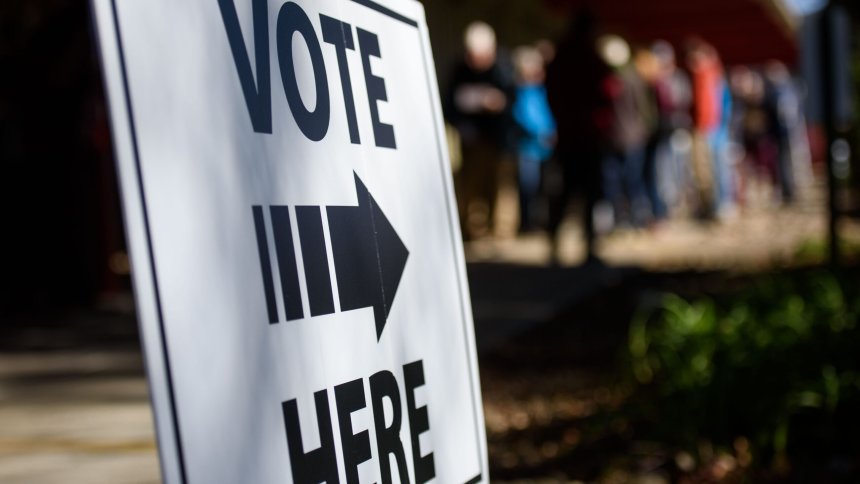
Proposed changes to early voting in 20 North Carolina counties have triggered accusations that Republican election officials are targeting voting options disproportionately used by Black voters. Supporters of the plans say the changes address staffing problems while maintaining or increasing overall early-voting access.
North Carolina’s 2026 midterm elections are approaching amid a growing dispute over how and where residents will be allowed to vote early. The controversy centers on proposals in 20 counties that would eliminate Sunday voting, change Saturday availability or remove early-voting locations. According to WRAL News, Republican officials defending the plans argue that counties can maintain adequate access while reducing staffing pressures and, in some cases, increasing total early-voting hours.
Voting-rights advocates state that the issue cannot be measured by total hours alone. Sunday voting has particular significance for Black voters, with churches across the state organizing “Souls to the Polls” efforts that bring congregants to voting sites. Critics therefore argue that eliminating Sunday voting could disproportionately affect Black communities.
The dispute extends beyond voting days. Republican appointees in Cumberland and Granville counties have proposed removing sites in Spring Lake, Oxford and Creedmoor, communities where Black and Hispanic residents make up a majority. Some plans also involve relocating or limiting voting sites at universities. The allegations carry additional weight because of North Carolina’s legal history. In 2016, the Fourth Circuit Court of Appeals struck down an earlier Republican-backed voting law, finding that lawmakers had targeted Black voters with “almost surgical precision.”
Bishop William Barber has warned that further restrictions could prompt legal challenges and increased mobilization among voters. The State Board of Elections is scheduled to decide which disputed plans can proceed for the 2026 election.
Share
What's Your Reaction?
 Like
0
Like
0
 Dislike
0
Dislike
0
 Love
0
Love
0
 Funny
0
Funny
0
 Angry
0
Angry
0
 Sad
0
Sad
0
 Wow
0
Wow
0