More than 4 million Americans have lost SNAP benefits as food assistance changes take hold
The reduction comes ahead of even broader changes scheduled to take effect over the next two years under the One

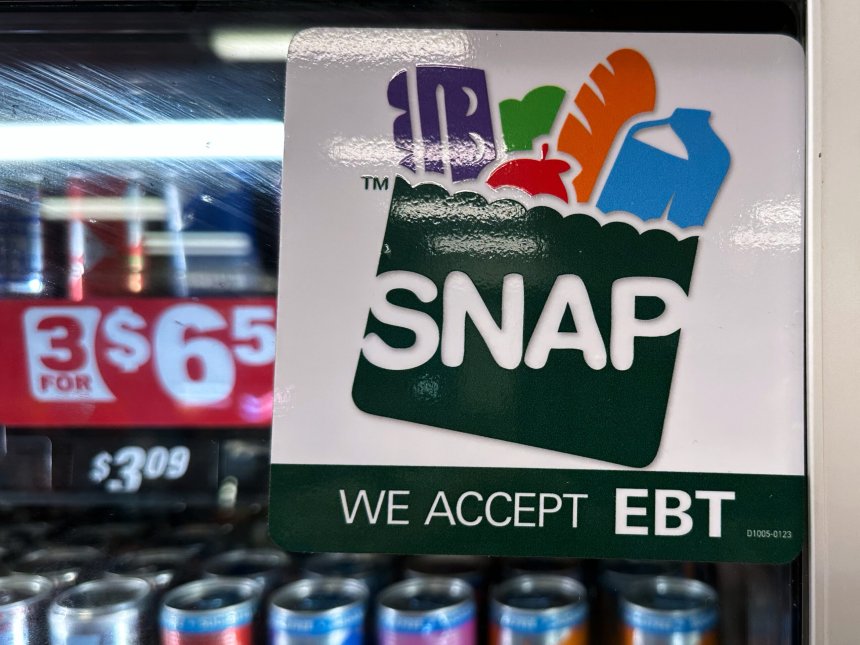
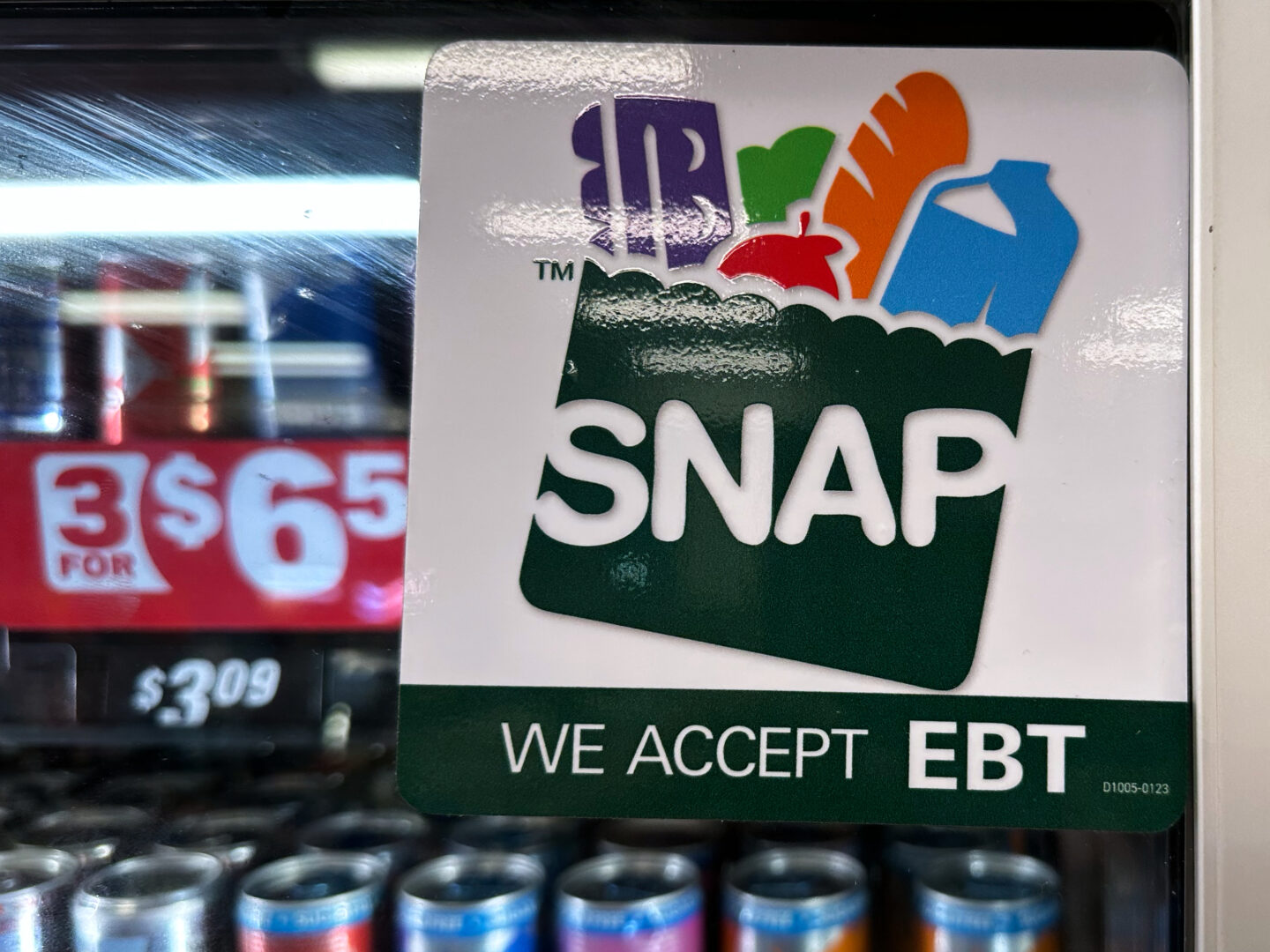
The reduction comes ahead of even broader changes scheduled to take effect over the next two years under the One Big Beautiful Bill Act.
More than four million Americans are no longer receiving Supplemental Nutrition Assistance Program (SNAP) benefits as a series of federal policy changes begins to reshape the nation’s largest food assistance program, prompting concern from anti-hunger advocates and policy experts.
According to NPR’s analysis of preliminary U.S. Department of Agriculture data, average monthly SNAP participation has fallen from roughly 42 million recipients last July to about 37 million as of April, representing an 11% decline nationwide. The reduction comes ahead of even broader changes scheduled to take effect over the next two years under the One Big Beautiful Bill Act.
The legislation expands work requirements for several groups that were previously exempt, including some veterans, adults experiencing homelessness, older Americans between ages 55 and 64, certain parents of teenagers, and young adults who have aged out of foster care. It also narrows eligibility for some noncitizens who had previously qualified for food assistance.
While the U.S. Department of Agriculture has argued that SNAP participation naturally fluctuates and may also reflect a stronger economy, NPR reported that analysts at the Center on Budget and Policy Priorities dispute that explanation, pointing to relatively stable unemployment alongside persistently high grocery prices. The organization contends that policy changes and administrative hurdles are driving much of the decline.
The impact has varied across the country. NPR’s reporting highlighted Arizona as one of the hardest-hit states, where SNAP enrollment has dropped by more than 400,000 people over the past year. Officials with the Arizona Food Bank Network say food banks there are now serving more people each month than are enrolled in the federal nutrition program.
Additional changes are still on the horizon. Beginning in October, states will assume a significantly larger share of SNAP’s administrative costs. Starting in 2027, some states could also be required to help fund food benefits if they exceed certain payment error thresholds.
As NPR noted, several advocacy organizations and state officials have warned that the new financial burden could force some states to tighten eligibility further or reduce participation if costs become unsustainable.
Experts caution that food banks and charitable organizations are unlikely to have the capacity to replace the assistance SNAP currently provides for millions of low-income households.
Share
What's Your Reaction?
 Like
0
Like
0
 Dislike
0
Dislike
0
 Love
0
Love
0
 Funny
0
Funny
0
 Angry
0
Angry
0
 Sad
0
Sad
0
 Wow
0
Wow
0












![Stream: Tank’s ‘Experience’ Album [featuring Kirk Franklin, Remy Ma, Fred Hammond, & More]](https://thatgrapejuice.net/wp-content/uploads/2026/08/Tank-Experience-Album-Cover-thatgrapejuice-2026.jpg)