Marian Wright Edelman’s advocacy for ending child poverty teaches us to carry the legacy forward
Edelman, considered “America’s First Mom,” founded the Children’s Defense Fund as a witness for children and to break the cycle

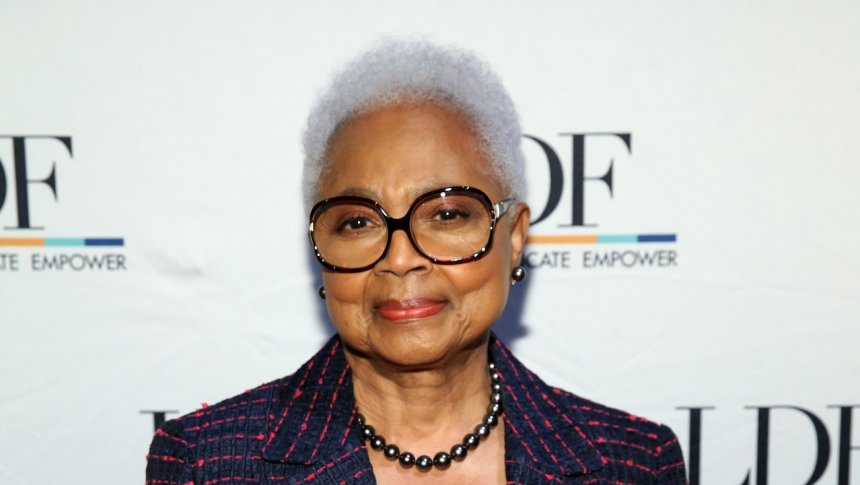
Edelman, considered “America’s First Mom,” founded the Children’s Defense Fund as a witness for children and to break the cycle of impoverished life for youth.
Time seems slow to change with the release of the Joint Center’s State of the Dream 2026. The African American unemployment rate increased to 7.5 percent in December 2025, while the white unemployment rate dropped to 3.8 percent. Youth unemployment peaked at 29.8 percent in November 2025. The report cites policy changes such as tariffs, federal layoffs and hiring freezes, rollbacks of DEI and affirmative action policies, and increased barriers to federally funded contracts for Black-owned logistics and transportation firms. What cannot be denied is the effect of systemic racism, which accounts for the disproportionate number of Black Americans experiencing unemployment at historic proportions.
As we end Black History Month, we must remember, learn from, and carry on the legacy of the first woman admitted to the Mississippi bar and once called by Ebony Magazine, “America’s First Mom,” Marian Wright Edelman. She is a civil rights activist and the founder of the Children’s Defense Fund. As a scholar of Black religion, politics, and culture, I chose to write my dissertation on Edelman because I believe her advocacy for children offers us a bold vision and response to the atrocities of anti-Black racism, which leave children most vulnerable. Edelman’s witness for children should inspire us to claim the power we all possess.
In 1967, after meeting with Robert F. Kennedy and his legislative assistant Peter Edelman (whom she would later marry), a 27-year-old Marian Wright Edelman traveled to Atlanta to meet with Dr. Martin Luther King Jr. She delivered Kennedy’s suggestion to bring the poor to Washington. King’s eyes lit up. He was so elated by the news. She recalls he referred to her as an angel sent by God. That conversation inspired the Poor People’s Campaign, signaling to President Lyndon Johnson and the American people that the needs of the poor should be a national priority.
But Edelman’s greatest contribution went beyond inspiring a campaign. She put forth a revolutionary idea for measuring the nation’s success. In the midst of the assassinations of JFK, RFK, and MLK, a moment when many questioned the future of our democracy, much as we do today, Edelman refused to be defeated. She turned her attention to an unexpected solution, the abolition of child poverty in one of the richest countries on earth.
Edelman did not measure the success of our nation by the GDP but by the rate of child poverty. By that measure, we are failing exponentially. More than 9 million children live in poverty in one of the most prosperous nations on earth. The U.S. leads all wealthy countries at 21.1%, and the UK comes in second place at 15.8%. Ireland has the lowest percentage of child poverty at 6.8%. Over 3 million white children are living in poverty, the largest number of any ethnic group, and the disproportionate effect of poverty on Black communities is an indication that the pernicious presence of anti-Black racism affects all children.
Edelman’s focus on child poverty allowed her to see what lay behind unemployment statistics. Her gaze was keen on how these numbers affected a child’s nutrition, education, healthcare, and housing. Edelman understood that children are impoverished for no fault of their own. When parents are unemployed or earn low wages, the effects are much greater on children who depend solely on their parents and caregivers.
Edelman urges us not to wait for the next Martin Luther King Jr. or Robert Kennedy, but to take on the issues and make a difference for the children of our nation. The challenge we all face, she states, “is not what to do for children but how to build the spiritual and civic will to achieve what all children need.” Our willingness to act on behalf of children is more than half the battle. We must take a leap of faith, even if it is only the size of a mustard seed, to muster the moral courage to come together on behalf of our most vulnerable population.
It is not enough this Black History Month to remember our past; we must act on the power and inspiration passed down from generation to generation. Here’s how we move forward:
Support and invest in organizations like the Children’s Defense Fund, which have been on the front line for Black communities, providing advocacy and training to end child poverty. Donate, volunteer, amplify, and advance their work in your community.
Contact your representatives. They need to know you oppose cuts to SNAP, Medicaid, and other policies that are harmful to children. Tell them that you judge their success on their treatment of children.
Speak up locally. Attend community forums, city council sessions, and school board meetings. Demand policies, programs, and resources that prioritize universal healthcare, quality education, and affordable housing.
Reject the narrative that child poverty is inevitable. Child poverty is a policy choice, not a natural phenomenon. When our nation, state, and local municipalities choose to spend trillions of dollars on other priorities while 9 million children remain in poverty, they reveal their morals are not concerned about children.
Our moral courage must increase as hundreds of children are being detained by ICE, like the five-year-old Liam Ramos. The future of our children depends on us, as cuts to SNAP and Medicaid proliferate, as Black unemployment disparities widen, and racial injustice intensifies. We must recenter our morals and values on children’s needs. Attending to children’s needs is our only way forward.
Judge us, Edelman agrees, not by our wealth but by how we treat children. By that measure, we have much work to do.
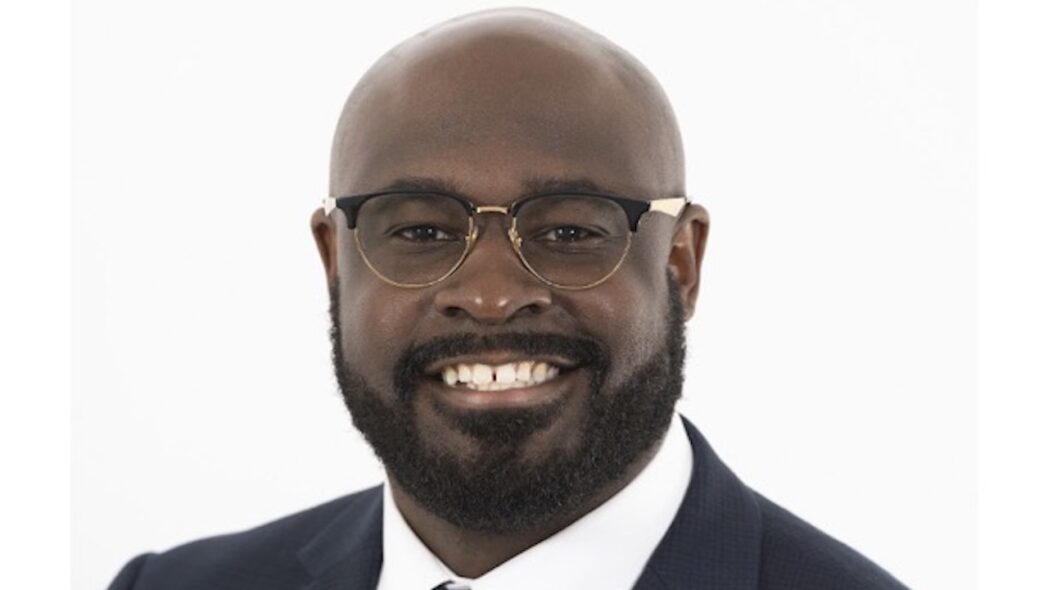
Javian Baker, Ph.D., is a scholar, writer, and advocate of marginalized communities and children. He writes on African-American religion, politics, and culture, and holds a master’s degree from Vanderbilt University and a Ph.D. from Georgetown University. Dr. Baker is a Public Voices Fellow of The OpEd Project in partnership with the National Black Children’s Development Institute.
Share
What's Your Reaction?
 Like
0
Like
0
 Dislike
0
Dislike
0
 Love
0
Love
0
 Funny
0
Funny
0
 Angry
0
Angry
0
 Sad
0
Sad
0
 Wow
0
Wow
0