Mamdani’s racial equity plan moves NYC from promises to measurable goals
The city’s first-ever framework directs 45 agencies to track progress on hundreds of strategies aimed at addressing racial disparities in

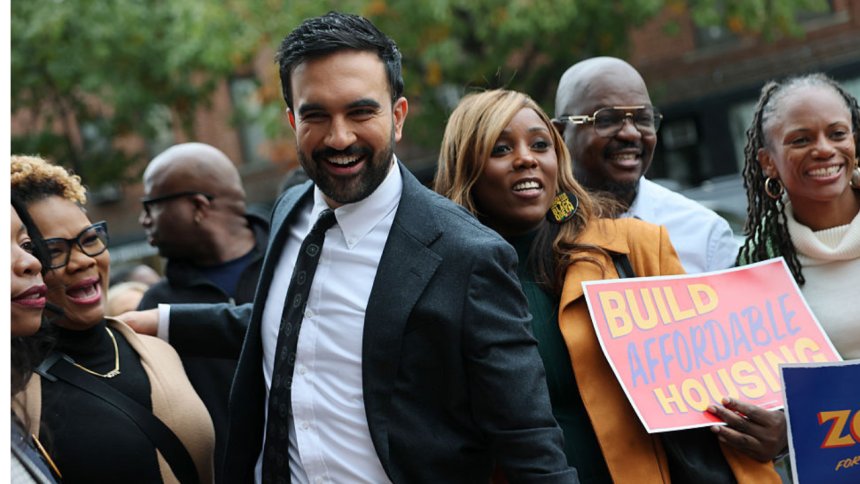
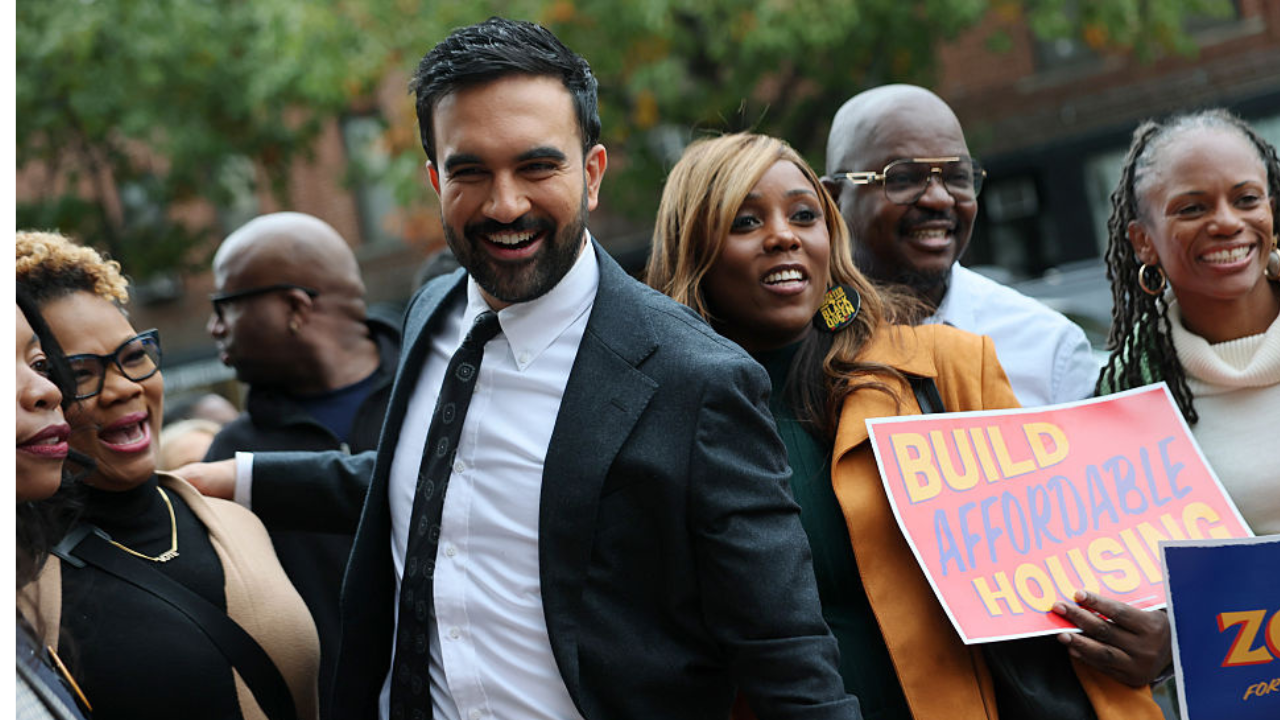
The city’s first-ever framework directs 45 agencies to track progress on hundreds of strategies aimed at addressing racial disparities in housing, education, jobs and more.
New York City Mayor Zohran Mamdani unveiled the city’s first-ever racial equity plan on Monday, doubling down on his commitments to Black and brown New Yorkers to address racial disparities that have plagued their communities for generations.
“New York is one of the wealthiest cities in the world. But too many working people still cannot afford rent, child care, food, transportation or even the time to spend with their families. Those pressures do not fall evenly,” Mamdani said in a statement. “They reflect decades of disinvestment, exclusion and policy choices that have left some neighborhoods — especially Black, Brown and immigrant communities — with far less than others.”
The preliminary racial equity plan directs the city’s 45 agencies to carry out 200 goals by 2034, along with more than 800 strategies and 600 indicators to track progress in the Mamdani administration’s efforts to close a host of racial disparity gaps. The goals include addressing the city’s housing crisis, including rent burden and homelessness; expanding racial disparities in broadband internet access; closing achievement gaps for Black and brown students in early and K-12 schools; and reducing unemployment rates for Black, Latino, and Asian populations.
Afua Atta-Mensah, NYC Chief Equity Officer and Commissioner of the NYC Mayor’s Office of Equity and Racial Justice, notes that the Mamdani administration’s racial equity plan is a “mandate” as a result of New York City residents in 2022 “overwhelmingly” voting in favor of making racial equity a “formal part of how New York City operates government.”
“Together, these measures move racial equity from a policy priority to a responsibility embedded in city government,” Atta-Mensah, who is tasked with overseeing and implementing the racial equity plan, said during a press call about its release.
The city official said the plan focuses on five key areas: budgeting, service delivery, staffing, contracting, and land use.
Atta-Mensah explained, “This is New York City’s first-ever racial equity plan. It is not a claim that we have solved racial inequity or that this plan is the solution. It is, however, a first important iteration of a citywide infrastructure to identify disparities, act on them, measure results, and improve over time.”
Dr. Christina M. Greer, political science professor at Fordham University, says the racial equity plan is an “important and necessary first step towards increasing and highlighting the need for sustained programs to level the playing field for a myriad of New Yorkers.” 
Greer told theGrio, “New Yorkers deserve this level of clear commitment from the Mamdani administration, and I am excited to see how Commissioner Atta-Mensah builds on this important series of policy conversations.”
Mayor Mamdani’s early leadership to close racial gaps in New York City is in direct contrast to what’s happening on the federal level in Washington, D.C. Since returning to the White House, President Donald Trump and his administration have sought to undo similar racial equity work carried out by the Biden-Harris administration. Trump revoked executive orders signed by President Biden that directed federal agencies to track racial disparities and implement policy and administrative solutions.
When asked about the juxtaposition between the city’s racial equity plan and the Trump administration’s anti-DEI efforts, Mamdani’s Deputy Mayor for Economic Justice, Julie Su, who previously served as acting Labor Secretary under President Joe Biden, told theGrio, “I think what we are clear about is that what New York City does matters.”
Su continued, “It matters, of course, to New Yorkers first and foremost, but it also sets an example of what is possible when city government is full-throated behind a set of goals and outcomes that make life better for everyday people, including taking seriously the need to combat deep racial inequities.”
The NYC deputy mayor added, “It will not surprise anybody here that we know that other cities and states are watching what happens here in New York City, and we intend to fulfill that leadership role.”
As the country’s political and media ecosystem pays close attention to Democratic socialists like Mamdani and whether their policies can make a meaningful difference and make life more affordable, the New York City mayor’s doubling down on that affordability promise through a racial equity lens could shape the future of Democratic politics, if proven successful.
Dr. Greer told theGrio, “Despite the Trump administration’s attempts to erase the contributions of diverse New Yorkers and Americans and chip away at hard-fought strides that were gained over several decades, this plan is a beginning step, not a final conclusion.”
Share
What's Your Reaction?
 Like
0
Like
0
 Dislike
0
Dislike
0
 Love
0
Love
0
 Funny
0
Funny
0
 Angry
0
Angry
0
 Sad
0
Sad
0
 Wow
0
Wow
0