
Justice Ketanji Brown Jackson questions Supreme Court’s use of emergency docket
The justice says the court should reserve emergency intervention for true crises, not routine high-profile disputes. Supreme Court Justice Ketanji

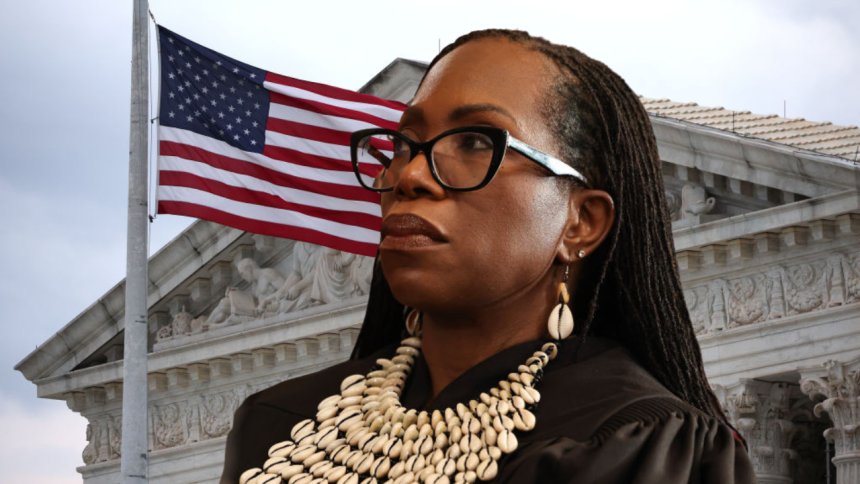
The justice says the court should reserve emergency intervention for true crises, not routine high-profile disputes.
Supreme Court Justice Ketanji Brown Jackson has renewed her criticism of the court’s handling of emergency appeals, warning that the justices are intervening in cases before lower courts have had enough time to develop the facts and legal record.
Speaking Thursday at the University of the District of Columbia David A. Clarke School of Law, Jackson argued that emergency applications should remain an exception rather than becoming a faster route to the Supreme Court for certain litigants. USA TODAY reported that she was particularly concerned about requests involving politically contentious cases that remain active in lower courts.
Jackson did not specifically name President Donald Trump during her remarks. However, her comments addressed a pattern that has featured prominently in litigation over Trump administration policies. The Supreme Court has repeatedly been asked to decide whether policies blocked by lower courts can take effect while appeals continue.
Jackson said the court historically exercised greater restraint, waiting until lower courts had developed the record before stepping in. In her view, intervention should generally be limited to circumstances where a party can demonstrate that significant harm is imminent without immediate action.
She also warned against creating what she described as a “special avenue” that some litigants could use selectively, echoing a concern previously raised by fellow liberal Justice Sonia Sotomayor.
The issue is not merely theoretical. Supreme Court records show the justices have handled numerous emergency applications connected to the Trump administration and other major disputes. In one September case involving an election-related dispute, the court granted a stay while Justice Jackson dissented.
Jackson’s criticism comes as the emergency docket remains a significant part of the court’s work. Supporters of emergency intervention have argued that the justices sometimes need to act quickly when lower-court orders create immediate consequences, while critics have questioned whether rapid decisions without the court’s full briefing and argument process provide enough transparency.
Her remarks therefore reflect a broader debate over how the nation’s highest court should balance urgent intervention with the normal appellate process. Jackson said the exception should remain tied to genuine emergencies rather than becoming a routine feature of high-profile litigation.
Share
What's Your Reaction?
 Like
0
Like
0
 Dislike
0
Dislike
0
 Love
0
Love
0
 Funny
0
Funny
0
 Angry
0
Angry
0
 Sad
0
Sad
0
 Wow
0
Wow
0













![Movie Trailer: ‘Search Party: Where’s PawPaw?’ [Starring Tichina Arnold & Tommy Davidson]](https://thatgrapejuice.net/wp-content/uploads/2026/09/search-party-wheres-paw-paw-tgj.jpg)