‘It is OK to experience joy’: Grief expert shares how Black communities can navigate painful moments
In the wake of the latest developments following the death of Nolan Wells grief expert Marisa Renee Lee reminds us

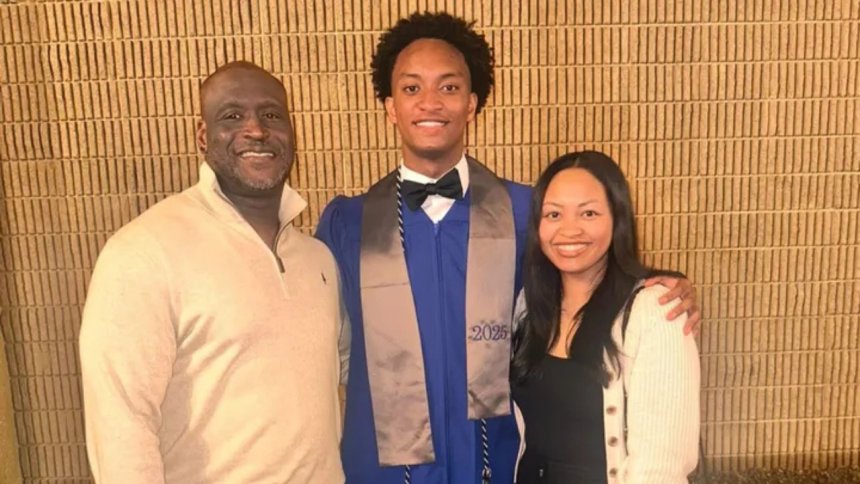

In the wake of the latest developments following the death of Nolan Wells grief expert Marisa Renee Lee reminds us it’s okay to be upset.
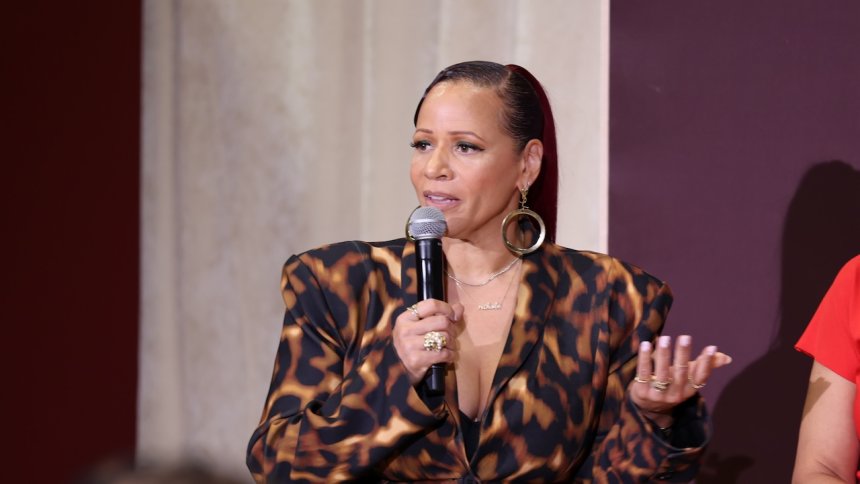
Even the grief experts are having a difficult time right now.
Marisa Renee Lee, an advocate and author of “Grief Is Love,” admitted that despite years spent researching and writing about grief, she recently found herself sitting in therapy trying to figure out what to do with her own.
“This was literally my entire therapy session yesterday,” Lee told theGrio by phone on Friday. “I told her, like, I am really struggling, and I’m trying to figure out even with all of my expertise and research and knowledge, what to do about it.”
Lee, like a lot of Black people, has been working through her grief following the latest developments in the death of Nolan Wells. On Monday, Sept. 21, a Mississippi grand jury declined to indict anyone in the 18-year-old’s death. Days later, his family and their attorneys released the state autopsy report, which listed his cause and manner of death as undetermined.
“Of course, it’s gonna make you angry and upset and sad and feel overwhelmed,” the grief expert said. “But how else should you feel?”
Across social media, in conversations at the hair salon or between colleagues around the water cooler, the decision has been difficult for many to accept. And arriving on the heels of several other high-profile cases involving mysterious Black deaths this year, it’s not surprising that some are struggling to understand what to do with all of that grief.
For one, when cases like Wells’ happen, a lot of Black people can’t help but see themselves or someone they love. There is already so much fear and anxiety wrapped up in what it means to be Black in America, particularly when it comes to keeping Black children and young people safe.
“It’s when we see these faces, and we hear these stories,” Lee explained. “It brings up your cousin or your child or your father.”
Lee said the first thing people should do is give themselves permission to grieve and actually name what they’re feeling. Ignoring grief doesn’t make it disappear, and whether through conversation or writing, giving those feelings a name can make them easier to understand and process. Once you let yourself feel it, the former Obama White House staffer noted, it also helps to figure out where those feelings can go, especially anger.
“My anger motivates me to write about these experiences, to give people advice on how to engage with their grief and what to do with it, and also to think more substantively about policy change that needs to happen in this country to make sure that all of our children are as safe as possible,” she added. “Less than that is unacceptable.”
Coping can look different for everyone. Lee regularly attends therapy and writes every day. Talking with a friend or loved one can help, too. She also suggested exercise, movement, and breath work as ways to help the body process difficult emotions.
We’ve also got to protect our peace. That means paying attention to what we’re consuming, how long we’re consuming it and how it makes us feel. It might mean taking a social media blackout during the day, deciding that after a certain hour you’re done checking in with a world you can do little to control or, frankly, just putting the phone down.
“You do not need to read and share every Instagram post because that isn’t actually going, unfortunately, to change much,” the author warned. “What you can do is set thoughtful boundaries around the media that you consume.”
Those boundaries can extend to people, too. That coworker who just doesn’t get it or that friend who knows nothing about what happened doesn’t necessarily need an explanation. Lee urged Black people not to spend their already depleted energy trying to make someone else understand why they’re hurting.
“You shouldn’t have to,” she said. “All it takes is a quick scan on Instagram or reading one or two articles, and people should be able to figure it out themselves. And if they can’t, then you just may have to establish really clear boundaries around some people in moments like this.”
Knowing how to protect ourselves matters when stories like Wells’ can bring up fears that extend far beyond one case. We may not get to choose when grief shows up again, but Lee stressed that taking care of ourselves means making room for something else, too. Even when the news feels especially heavy, allowing ourselves to laugh, rest or have a good day doesn’t mean we’ve forgotten why we were grieving in the first place.
“It is okay to experience joy,” Lee reminded.
“You experiencing joy doesn’t mean that you have forgotten about what has happened and what this poor family is experiencing and what was done to this child that we still don’t even have clarity on,” she continued, adding, “Joy actually gives the brain a break and creates space for healing to occur.”
Share
What's Your Reaction?
 Like
0
Like
0
 Dislike
0
Dislike
0
 Love
0
Love
0
 Funny
0
Funny
0
 Angry
0
Angry
0
 Sad
0
Sad
0
 Wow
0
Wow
0