Betye Saar, whose art redefined Black resistance, dies at 99
Best known for “The Liberation of Aunt Jemima,” Saar helped transform the landscape of American art through more than six


Best known for “The Liberation of Aunt Jemima,” Saar helped transform the landscape of American art through more than six decades of groundbreaking work.
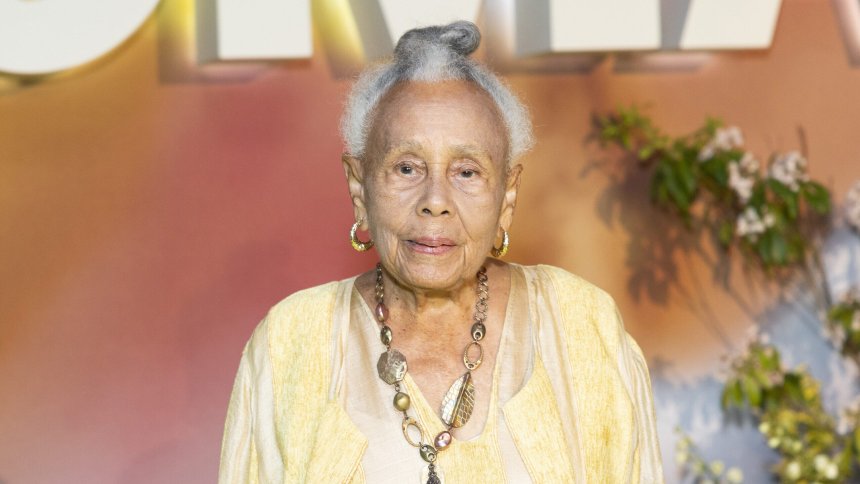
Betye Saar, the pioneering assemblage artist who transformed racist imagery into symbols of Black resistance, died Sunday in Los Angeles at 99. Saar’s legacy spans more than six decades of work shaped by identity, spirituality, memory, and liberation.
Saar’s relatives confirmed her death Monday, the Associated Press reported. She would have turned 100 on July 30. A central figure in the 1960s Black Art Movement, she became known for creating assemblage boxes from found objects and reclaiming Jim Crow-era memorabilia that had demeaned Black people.
Her best-known work, “The Liberation of Aunt Jemima,” was created in 1972. Saar placed a racist mammy figurine inside a box and armed the figure with a rifle and hand grenade, transforming a commercial stereotype into an image of resistance.
The work grew from the anger Saar felt after the 1968 assassination of the Rev. Martin Luther King Jr. She later said the tragedy caused “the mystic” in her to become “the warrior.” Saar explained that turning Aunt Jemima into a revolutionary figure allowed her to confront painful imagery instead of simply repeating it.
Raised in Pasadena, California, Saar began her professional life in design before shifting toward art at 35. Her practice expanded across painting, printmaking, sculpture and assemblage, often incorporating dolls, washboards, clocks, cages, altars and other found materials. She continued working into her 90s.
Major institutional recognition arrived unevenly. Saar had a solo exhibition at the Whitney Museum of American Art in 1975, but large museums displayed her work only occasionally for decades. In 2019, the Los Angeles County Museum of Art and the Museum of Modern Art presented solo exhibitions, and MoMA acquired her groundbreaking 1969 work “Black Girl’s Window.”
Saar also taught and mentored younger Black artists, including Kerry James Marshall. In spring 2026, she was inducted into the American Academy of Arts and Letters.
Saar’s legacy remains visible in artists who use everyday objects, racial history, and spiritual symbolism to challenge how Black life is represented. The assemblage art pioneer leaves behind work that turned demeaning images into declarations of dignity, resistance and power.
Share
What's Your Reaction?
 Like
0
Like
0
 Dislike
0
Dislike
0
 Love
0
Love
0
 Funny
0
Funny
0
 Angry
0
Angry
0
 Sad
0
Sad
0
 Wow
0
Wow
0