What the Cornell 7 and LSU sexual assault cases are revealing about the experiences of Black women
In the wake of the Cornell 7 and LSU assault cases, many, including Black women, are reckoning with their dismay


In the wake of the Cornell 7 and LSU assault cases, many, including Black women, are reckoning with their dismay and rage.
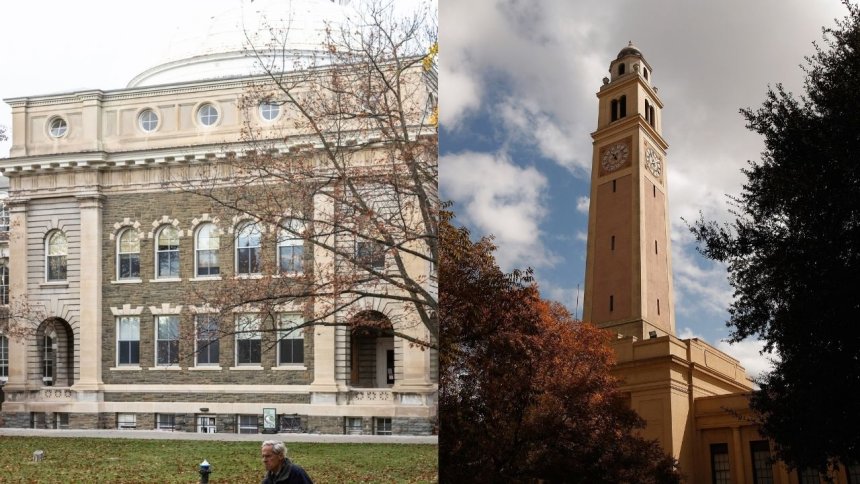
After a woman launched a lawsuit against Cornell University over what she alleges was the school’s failure to protect her after a brutal, drug-induced gang rape by seven members of its Chi Phi fraternity—only to be followed days later by a Black woman at Louisiana State University who came forward alleging the school failed her after she reported a sexual assault at the hands of a football player—quite a lot has been coming to the surface.
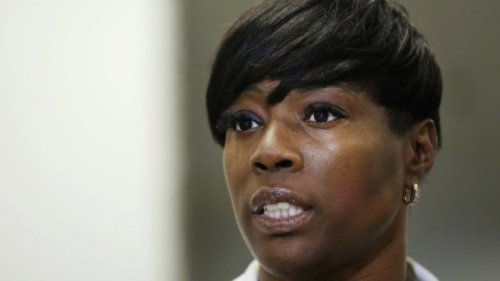
On Sept. 14, a former Cornell student identified as Jane Doe sued the university over its handling of her allegations that seven fraternity members drugged and sexually assaulted her in 2024, according to CNN. Four days later, on Sept. 18, LSU student Kendall Francis went public with allegations that a football player sexually assaulted her in 2025, after filing a formal Title IX complaint with the university in January, WAFB reported.
In the days since, both cases have led to an outpouring from women, including several prominent Black voices, sharing their own experiences, frustrations, and calling out the racial and gender dynamics at play. As details from both cases continue to emerge, a flurry of reactions and emotions has been brewing.
There is, first and foremost, shock and despair at what these women say happened to them. At Cornell, the abuse Doe alleges went on for hours, and her lawsuit claims one of the men sent a message to a fraternity Snapchat group announcing “free p—y” before others joined in. It is difficult to read that detail without getting stuck on the alleged coordination, the casualness of the message, and the ease with which Doe claims multiple men participated.
Francis says she went to an LSU dorm in October 2025 to visit a football player she had met through social media, where she alleges he sexually assaulted her. She reported the alleged assault shortly afterward and was taken to the hospital for a sexual assault examination.
Then comes the frustration over what happened after both women reported what they say was done to them. LSU’s own Title IX process found the unnamed football player responsible for sexual assault and forcible rape, yet his initial one-year suspension was reduced on appeal to two years of disciplinary probation without restrictions, allowing him to return to football.
At Cornell, Doe alleges five of the seven accused men were allowed to submit essays seeking reduced disciplinary sanctions. Cornell has disputed the characterization that the essays were the punishment and said its process resulted in suspensions and expulsions, while Doe’s attorney has said two of the men were expelled.
In a rousing essay for Elle magazine, journalist and author Rita Omokha wrote, “We wonder how we end up with the Epstein files, the Weinsteins, the Diddys, the Woody Allens, the Roman Polanskis, and why powerful men walk free. We forward the petitions, share the threads, say never again, and then we turn around and watch Cornell University, one of the most prestigious universities in the world, offer young men accused of gang-raping a 20-year-old woman the opportunity to mitigate their punishment by writing an essay.”
Brittany Packnett Cunningham added, “I won’t lie—I’ve been taking my time with this Cornell story as a survivor,” she wrote on Threads. “But you mean to tell me that FIVE of the SEVEN accused were allowed to WRITE AN ESSAY to avoid expulsion!?! Since when is a r*pe allegation an extra credit assignment?!??!?!!!!”
At least six of the seven men accused at Cornell are white, making another dynamic difficult to ignore. From Brock Turner to Brett Kavanaugh, there is a long history of white men accused of sexual violence being afforded grace, the benefit of the doubt, and paths forward that Black men accused of the same have rarely been given.
“But when it was the falsely accused Central Park 5, y’all wanted them killed,” a user on Threads posted.
Francis’ case brings up another racial conversation entirely. Black women have long faced misogynoir, the collision of anti-Blackness and misogyny that can cast them as less innocent, less vulnerable and more capable of absorbing harm. More than one in five Black women have experienced rape in their lifetime, according to CDC data, while substantially more have experienced other forms of sexual violence.
There is frustration, too, in watching systems that women and marginalized people fought to build and strengthen be systematically stripped away. Roe v. Wade has been overturned, voting rights protections have continued to face legal and legislative challenges, DEI programs have been slashed across higher education, and Biden-era Title IX protections have been rolled back.
Those DEI cuts have also meant fewer opportunities for some of the sex education and sexual assault awareness work that once happened on college campuses. Sex educator and “Nasty Work” author Ericka Hart said educators like her, who have worked with Title IX and gender and sexuality departments, simply aren’t being brought to campuses the way they once were.
“There are so many sex educators, myself included, who have NOT been invited to speak at a college/university in over two years+,” Hart wrote on Threads. “DEI cuts massively impacted our ability to not only support the amazing work these departments were already doing, but also the students.”
Somewhere beneath all of it, a steady current of rage has been deepening. You can see it on coworkers’ faces when these stories come up. You can see it as the color leaves the faces of men with a conscience when they hear the details. We are pissed this has happened again. Pissed that not one but two women say their bodies were violated, abused, and used for the pleasure of men, and pissed that after they sought help, they were left fighting the very institutions that were supposed to protect them.
It doesn’t help that the news lately has been particularly hellish for women. There has been story after story of women being disrespected, assaulted, and killed, sometimes before there has even been enough time to process the last one. As Melyssa Ford put it in the caption of a recent Instagram video, “You find yourself in a perpetual state of rage.”
But society makes perpetrators just as easily as it creates victims.
“Hey Parents, I hope you’re using the Nolan Wells and Cornell 7 news as an opportunity to speak to your sons about how to NOT be murderers and rapists,” singer Melanie Fiona noted on Threads.
Thankfully, neither woman’s story is over, and both are now moving beyond campus systems. The East Baton Rouge Parish District Attorney’s Office has opened a criminal investigation into Francis’ allegations, while Tompkins County prosecutors reopened the Cornell investigation Monday and plan to present the case to a grand jury.
Share
What's Your Reaction?
 Like
0
Like
0
 Dislike
0
Dislike
0
 Love
0
Love
0
 Funny
0
Funny
0
 Angry
0
Angry
0
 Sad
0
Sad
0
 Wow
0
Wow
0