Tidal to remove millions of AI-generated songs from its platform in sweeping crackdown
The streaming platform will begin removing fully AI-generated recordings Dec. 9, a move that could eliminate millions of tracks from

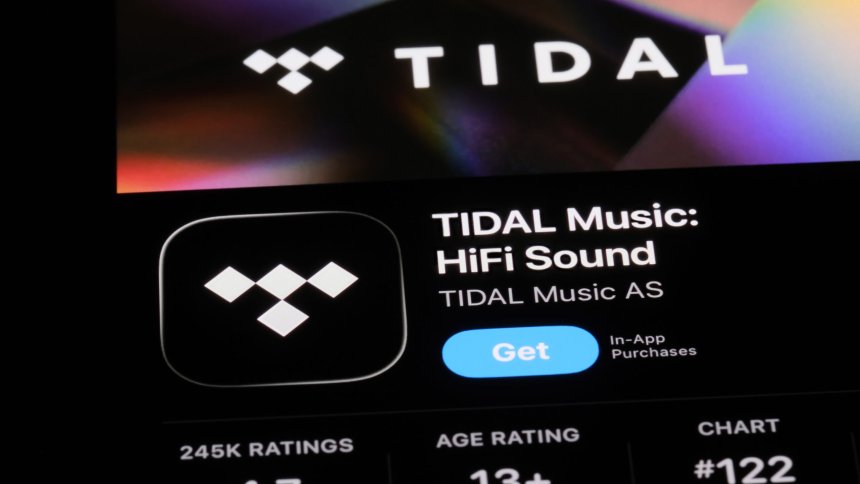

The streaming platform will begin removing fully AI-generated recordings Dec. 9, a move that could eliminate millions of tracks from its catalog.
Music streaming is getting another reality check in the age of artificial intelligence. Tidal is taking a hardline approach to AI-generated music, announcing plans to remove millions of tracks created entirely by artificial intelligence from its platform beginning next month.
According to Variety, Tidal will begin removing wholly AI-generated recordings on Dec. 9, with the process expected to eliminate approximately 29 million songs by the beginning of 2027. The decision makes Tidal one of the most aggressive players in the streaming industry when it comes to addressing the growing presence of AI-generated music.
The move follows an earlier policy in which Tidal began identifying and labeling fully AI-generated recordings while preventing them from earning royalties. Now, the company is going a step further, arguing that simply labeling the music and withholding compensation is no longer enough.
Robert Anderson, who leads Tidal at parent company Block, pointed to the sheer volume of AI-generated submissions as a significant factor in the decision. According to Anderson, 43% of tracks delivered to the platform over the previous 90 days were identified as AI-generated. He also estimated that the company could reject between 80,000 and 85,000 tracks daily moving forward.
Anderson said 96% of AI-generated songs received no streams, raising additional questions about the purpose and value of flooding streaming platforms with music that may never find an audience.
Importantly, Tidal’s policy targets music created entirely through generative AI tools, not necessarily songs in which artists use artificial intelligence as one component of their creative process. The distinction leaves room for musicians who incorporate emerging technology into their work while maintaining their own creative contributions.
The decision arrives amid an increasingly complicated conversation about AI’s place in the music business, including concerns about copyright, artist impersonation, ownership and the potential impact on musicians trying to earn a living.
For Tidal, the message is clear: technology may be changing how music gets made, but the company wants human creativity to remain at the center of its streaming business.
Share
What's Your Reaction?
 Like
0
 Dislike
0
 Love
0
 Funny
0
 Angry
0
 Sad
0
 Wow
0