Howard University junior launches database to spotlight missing and murdered Black women in D.C.
Avery Bernard Johns created a Washington, D.C., database documenting nearly 200 cases, hoping to bring greater attention to victims whose

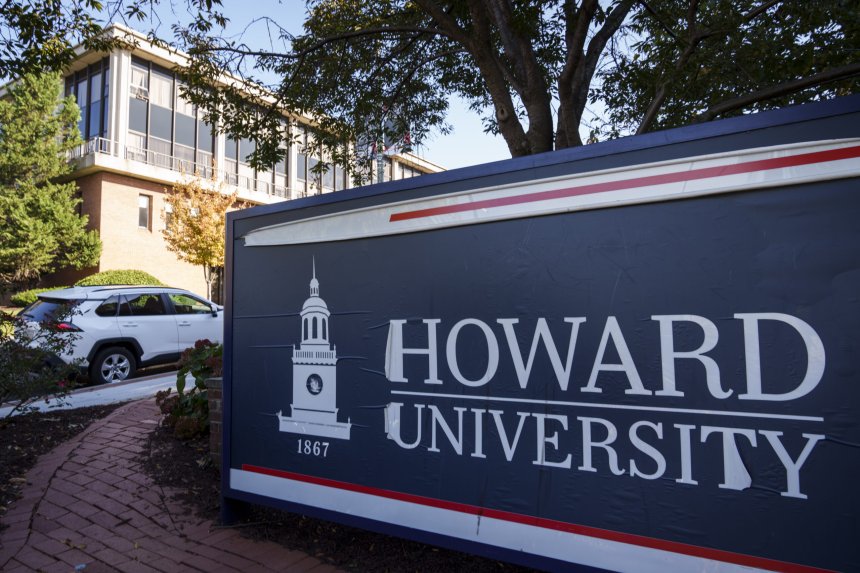

Avery Bernard Johns created a Washington, D.C., database documenting nearly 200 cases, hoping to bring greater attention to victims whose stories often go overlooked.
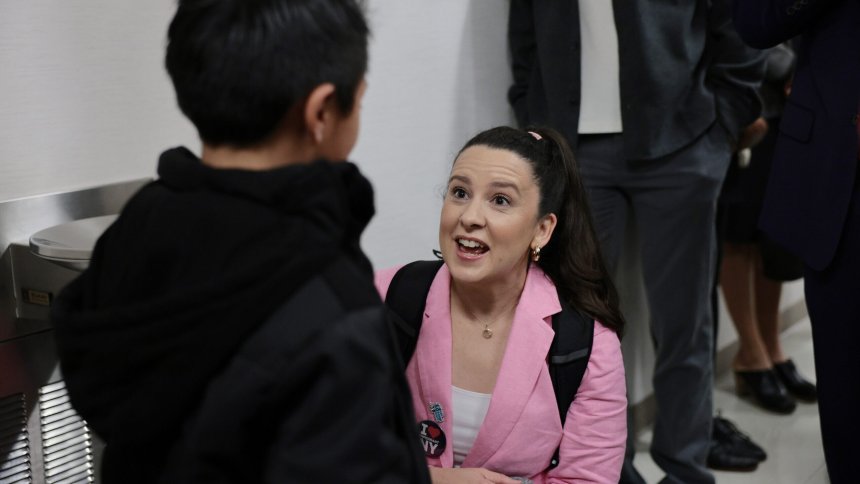
A Howard University student has created a database documenting nearly 200 cases of missing and murdered Black women and girls in Washington, D.C. The invention is an effort to bring attention to victims whose stories can go overlooked.
Avery Bernard Johns, a university junior, launched Deadlining: The Washington, D.C. Database for Missing and Murdered Black Women to consolidate information about the cases and keep the victims in public memory. The project grew out of a freshman-year history assignment focused on Black history in Washington.
While researching the disappearance of six-year-old Hattie Yvonne Jackson, who went missing in D.C. in 1961, Johns discovered other cases that she felt were fragmented across different sources and not adequately represented in federal databases. Johns told NBC4 Washington that she initially struggled to find information about Jackson. Her research eventually led her to many other missing and murdered Black women and girls, prompting her to build a database of her own.
The project’s name references redlining, the discriminatory practice that shaped neighborhoods and housing access across the United States. She argued that Black women pushed into predominantly white spaces through neighborhood changes can be more readily viewed as criminals rather than victims.
One of the cases highlighted in the broader conversation is that of Relisha Rudd, who was eight years old when she disappeared in 2014. She was last seen on surveillance footage at a Northeast Washington hotel. Her whereabouts remain unknown. Another case is that of DaCara Thompson, a 19-year-old who disappeared in August 2025. Her vehicle was later found with her purse inside, and her body was discovered days afterward along a riverbank.
During her research, Johns said that surprisingly, online communities sometimes held more information about missing people than government agencies. Her broader goal is to develop a system that other governments can use. For now, Johns says the database serves as a resource for families, investigators and members of the public searching for information. “I couldn’t go to sleep at night knowing that no one else has to bear the weight of the knowledge of their death and no one is thinking about these women and girls,” she told NBC4.
Share
What's Your Reaction?
 Like
0
 Dislike
0
 Love
0
 Funny
0
 Angry
0
 Sad
0
 Wow
0