Texas death row case raises debate over use of rap lyrics in court
The Texas death row case of James Broadnax highlights growing concerns over the use of rap lyrics as evidence in

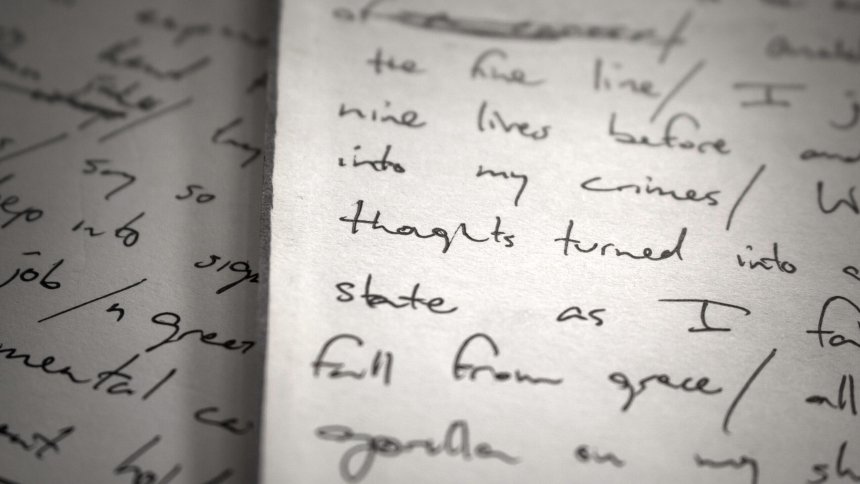
The Texas death row case of James Broadnax highlights growing concerns over the use of rap lyrics as evidence in court and potential racial bias in trials.
The use of rap lyrics as evidence in criminal trials is drawing renewed scrutiny as the case of James Broadnax heads toward a scheduled execution date.
According to the Associated Press, Broadnax, who was convicted in connection with a 2008 double homicide in suburban Dallas, is set to be executed on April 30, 2026. During his trial, prosecutors introduced rap lyrics he wrote as a teenager, arguing they reflected violent intent and gang affiliation. His legal team contends that the lyrics were taken out of context and unfairly influenced the jury, which was mostly white.
Experts say the use of rap lyrics in court is not rare. According to research cited by scholars like Erik Nielson, who wrote the book “Rap on Trial: Race, Lyrics and Guilt in America,” hundreds of cases across more than 40 U.S. states have involved rap lyrics being used as evidence over the past several decades. Critics argue this practice often treats artistic expression as literal confession, reinforcing racial bias rather than providing reliable proof.
Broadnax’s attorneys have asked the Supreme Court of the United States to intervene, arguing that the trial court failed to properly address the risk of racial prejudice. They say the lyrics were framed as autobiographical, contributing to a “racially charged narrative” that may have affected sentencing.
The debate extends beyond this case. High-profile artists, including Young Thug, have also seen their lyrics introduced in legal proceedings, often in racketeering or gang-related cases. Critics argue that rap is disproportionately targeted compared to other genres, with studies showing very few instances where lyrics from country or rock music are used similarly.
Supporters of restricting the practice say it reflects broader misunderstandings about hip-hop as an art form. They argue that metaphors and storytelling in rap are frequently misinterpreted as literal accounts, especially when tied to defendants of color.
Some legislative efforts are underway to address the issue. In April 2026, Maryland passed a law requiring courts to establish a clear connection between artistic expression and alleged crimes before allowing such evidence. Similar proposals have been introduced in other states and at the federal level.
Legal scholars note that current rules already allow judges to exclude evidence if it risks unfair prejudice. However, critics say those safeguards are inconsistently applied.
As Broadnax’s case continues through the appeals process, it has become a focal point in the broader debate over whether creative expression should play a role in determining guilt or punishment in the justice system.
Share
What's Your Reaction?
 Like
0
Like
0
 Dislike
0
Dislike
0
 Love
0
Love
0
 Funny
0
Funny
0
 Angry
0
Angry
0
 Sad
0
Sad
0
 Wow
0
Wow
0