SZA’s music has been used to train AI without her consent. What can she actually do about it?
What can Black artists and content creators do to protect their work from being stolen by AI training data sets

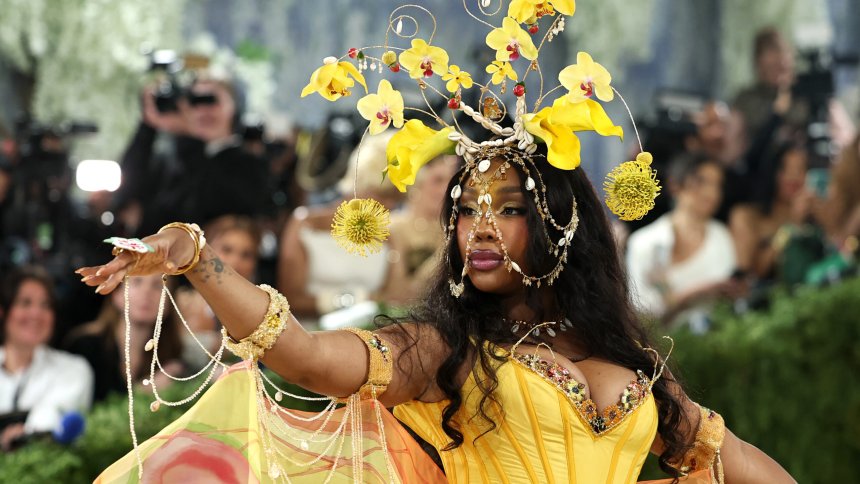
What can Black artists and content creators do to protect their work from being stolen by AI training data sets and more?
Once again, SZA has smoke for artificial intelligence.
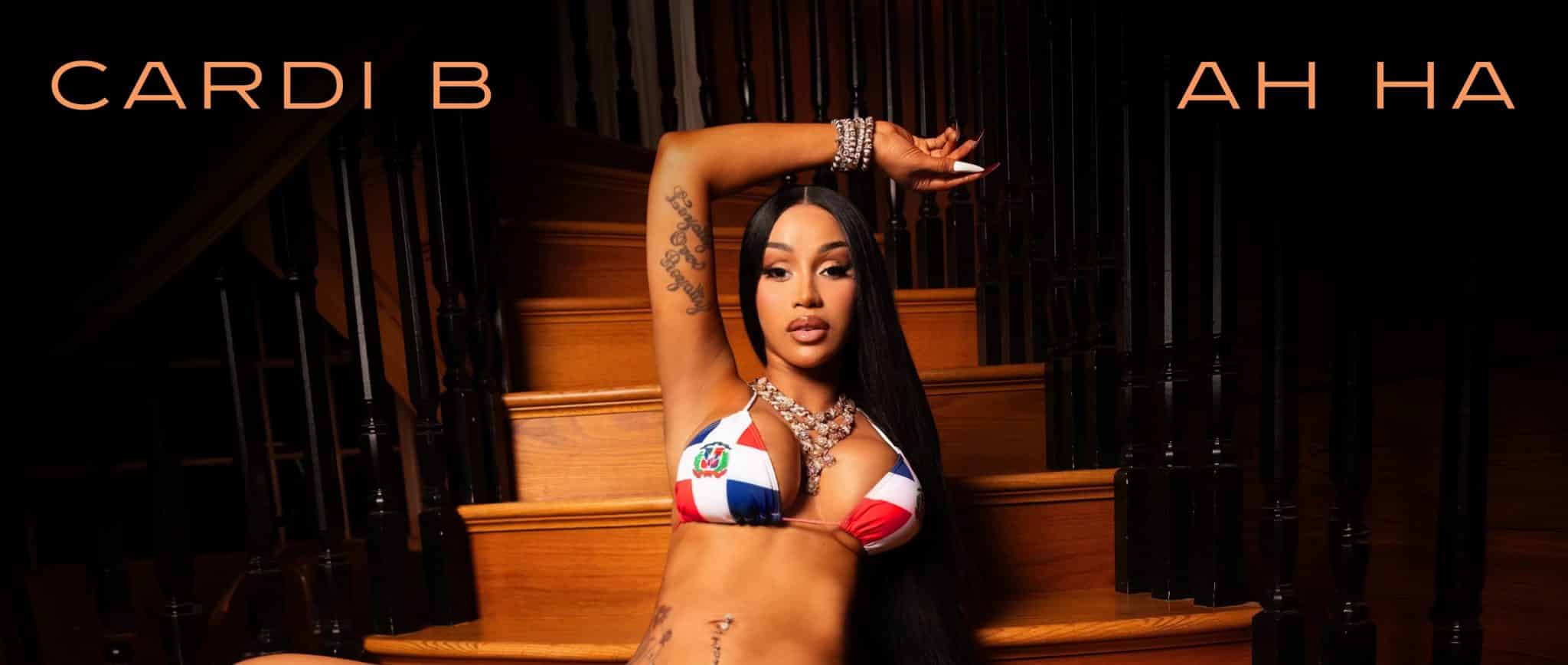
After The Atlantic released a new AI detection tool that allows artists to search whether their music has been used in datasets to train various AI tools, cataloging millions of songs pulled from thousands of artists, including big names such as Beyoncé, Taylor Swift, SZA, and more, the 36-year-old singer blasted AI and all of its sympathizers.
“Jus checked and music AI has trained off 238 of my songs,” she began in a post to her Instagram Stories.
“I’m certain some unreleased. If your a musician and you support this degenerate sh-t?” she continued. “Your disgusting and there’s NOTHING YOU COULD EVER SAY TO ME TO MAKE THIS OKAY. I hope u have the life u deserve.”
In another post on her private account, widely reshared, the “Kill Bill” singer called out music producer Diplo and added an urgent plea to Black artists specifically.
“Idk who needs to hear this but Diplo has equity in Suno and is actively attempting to train it on the best and brightest Black minds of writers and producers,” she wrote. “We make up 13% of the American population yet influence the world w our sound and perspective. I AINT HEARD A WHITE AI SONG YET. We have no protection in legislature medical or creative. The easiest to steal from. DO NOT GIVE AWAY YOUR VIBRANIUM !!! DO NOT TRAIN AI W YOUR GENIUS. F— these weird a— vultures. I want smoke all summer.”
The “SOS” artist’s reaction and the new database are bringing renewed urgency to a question artists and content creators, particularly Black artists, have increasingly been asking: Once they discover their work has been used in a dataset, what course of action do they have to stop it?
Devised by The Atlantic’s Alex Reisner, the database pulls from four large music datasets, including collections made up largely of Spotify and YouTube links. It gives artists a clearer look at whether their work may have been swept into AI training data, but a song appearing there does not reveal who downloaded the data, whether a company trained on that specific track or what an artist can do to get it removed.
For instance, SZA’s discovery does not mean she can simply demand an AI company remove her music and be done with it. Copyright law around generative AI remains unsettled, datasets can be sprawling and difficult to trace, and individual artists often have fewer resources than the companies building and using these tools. That being said, artists do have a few paths.
Some of those paths include documenting potential use, pushing labels and publishers to act, joining or supporting litigation, and demanding stronger consent and compensation rules before their work becomes raw material for a machine. Major labels, including the label that controls SZA’s music, Sony Music, are already pursuing copyright infringement cases against AI music companies Suno and Udio. Unfortunately, and relative to others, SZA is one of the lucky ones or at least one in better standing against this. Meanwhile, the Atlantic’s database found many smaller independent artists in the mix as well.
For Black artists, this spells trouble in particular because this is the same music industry that has spent decades “borrowing” from Black writers, singers, and producers, monetizing their work and detaching it entirely from its originators. This has happened across nearly every genre with roots in Black culture. AI can do all of this at an alarming scale.
Earlier this year, Black skincare founder and influencer Tatiana Elizabeth discovered that a white influencer with a larger platform had used AI to superimpose her head over Elizabeth’s content. The white influencer ultimately apologized and said she wasn’t aware how closely her tool had mimicked the original, but the story brought to light just how vulnerable rising Black creatives are to having their work used without authorization by these tools.
While the database has sounded the alarm for many artists, there are, of course, some within the music industry welcoming AI’s development. will.i.am was an early investor in OpenAI and has long argued that AI is inevitable. He has also recently partnered with Arizona State University on a course guiding students in building their own AI agents. Timbaland, meanwhile, has been developing TaTa, an AI artist he has called his protégé and credited God with bringing the tool to him.
Then there’s the SZAs who just want to ensure Black artists, whose output has shaped the world, will have any say in what gets taken from them next.
Share
What's Your Reaction?
 Like
0
Like
0
 Dislike
0
Dislike
0
 Love
0
Love
0
 Funny
0
Funny
0
 Angry
0
Angry
0
 Sad
0
Sad
0
 Wow
0
Wow
0