SZA wonders if motherhood is for her — and she’s not the only one with that question
SZA opened up about whether the “magic and the love” will end with her or if not having children is

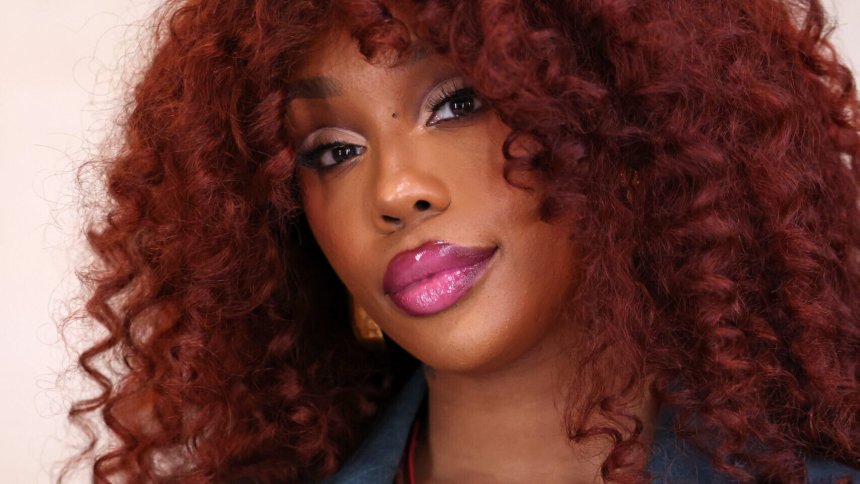
SZA opened up about whether the “magic and the love” will end with her or if not having children is the “end of a karmic cycle.”
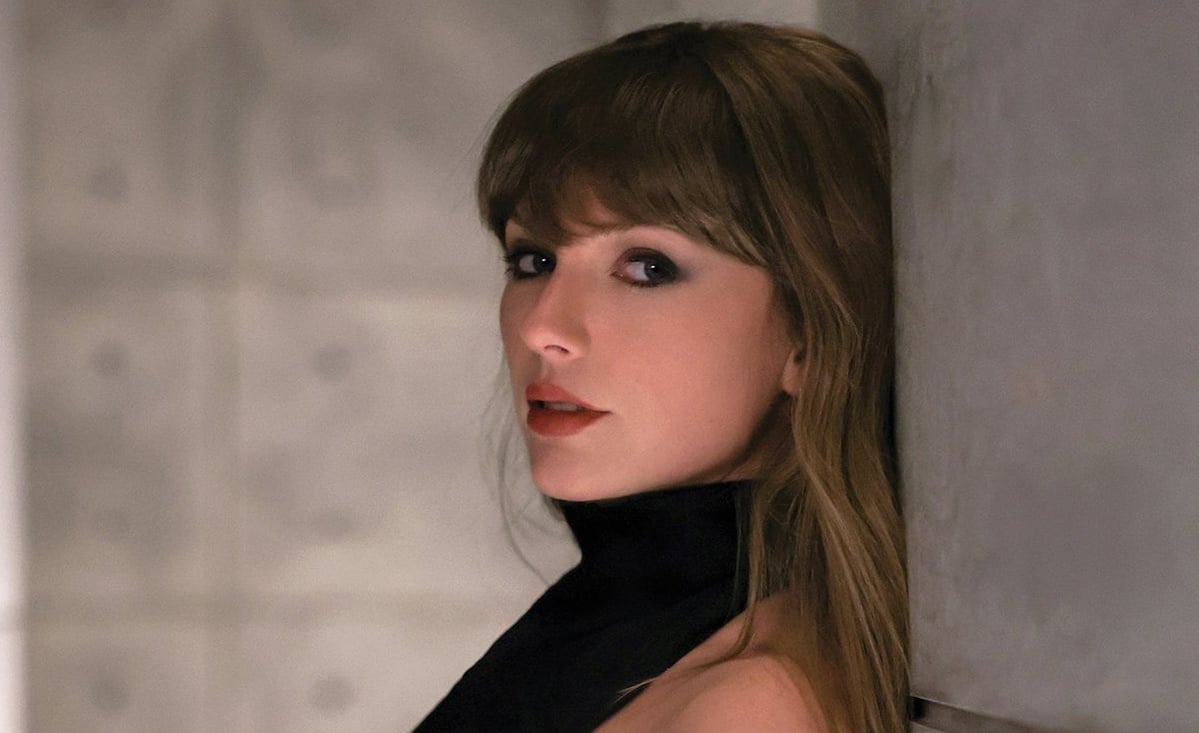
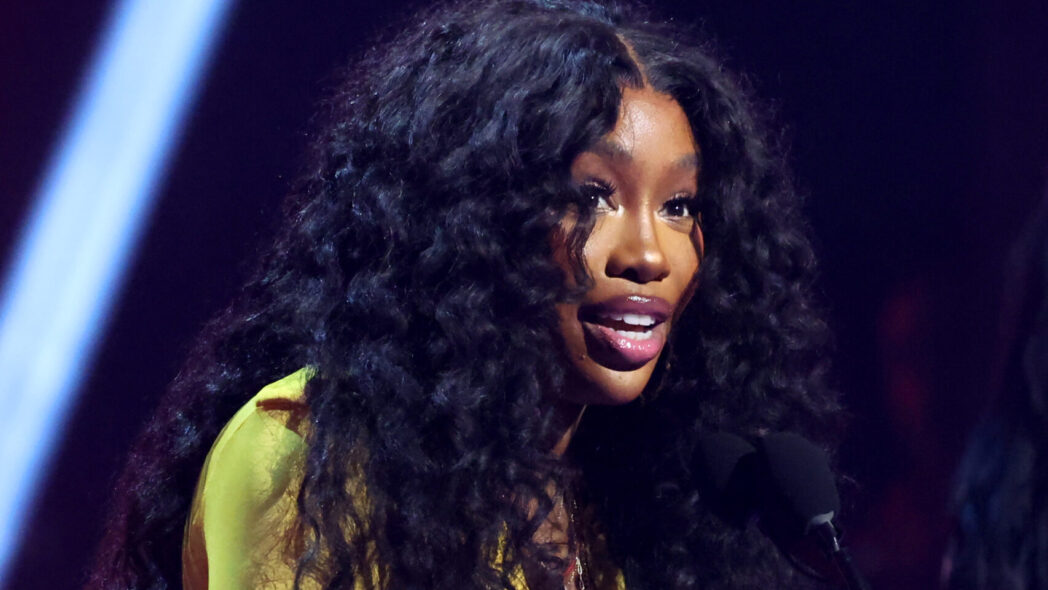
SZA has become one of the latest Black celebrities to question whether motherhood is in her future.
In a new interview with i-D magazine as the publication’s latest cover star, the 36-year-old R&B singer reflected on the timing of motherhood in her own family, noting that her mother did not give birth to her until she was 43, nearly ten years older than SZA is now.
“She can rest knowing that the mitochondrial DNA of every woman that came before her lives through me,” SZA, whose real name is Solána Rowe, told the outlet.
“I’m bossed up, I’m taking my time. It’s spooky out here — maybe I won’t have kids,” she continued. “Maybe I will. Do I really want the magic and the love to end with me, or is it the end of a karmic cycle?”
SZA is far from the only Black celebrity to publicly wrestle with the question. Women, including Tracee Ellis Ross and Oprah Winfrey, have spoken openly about not having children, while others, like Chloe Bailey, have expressed feeling fulfilled in roles like being an aunt, even as they consider their own future.
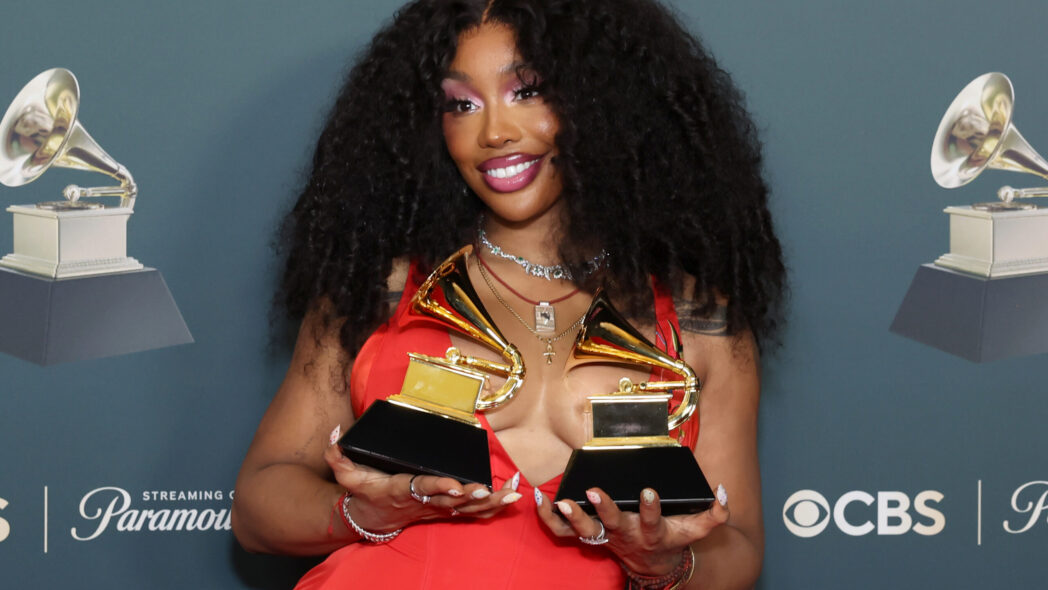
And it’s not just celebrities. Across the board, millennial women are increasingly waiting longer to have children or reconsidering whether they want them at all.
Aurélie Athan, a clinical psychologist who researches the psychology of motherhood and reproductive identity at Columbia University’s Teachers College, told Time magazine that the development of the birth control pill in the 1960s helped open the door for this cultural shift.
“Women are having a pregnant pause,” Athan said. “They’re really taking time to say, ‘Do I want to do this?’”
SZA’s framing around cycles, legacy, and whether the “magic” she has conjured in her life should continue beyond her is in line with a lot of current conversations among millennial Black women.
For many Black women in their 30s and 40s, the question of motherhood often feels less like a simple life milestone and more like a philosophical one. It isn’t just about whether to have a child, but what it means to continue a family line — or to end certain patterns altogether.
The podcast BACKtalk from Successful Parenting magazine has explored similar themes, including during a recent episode about generational healing.
“We are the generation that gets to choose something different,” the outlet wrote in an article accompanying the episode. “We are the cycle breakers. We are the lineage disruptors. We are the first in our families to parent with healing in mind instead of fear in our voices.”
At the same time, the fears beneath that hesitation are easy to understand.
From global warming to wars, to racism, to sexism, to homophobia and beyond, the world can feel terrifying. The cost of raising a child has become staggeringly high, and even something as fundamental and essential as education feels increasingly complicated and uncertain to provide. Black women in particular also still face some of the bleakest maternal health statistics and maternal mortality rates in this country. For many, those realities make the decision that much harder.
But life has never exactly been easy, or perfectly safe, for Black families.
It certainly wasn’t easier to raise or educate a Black child during Jim Crow or in the decades that followed. Yet generation after generation did so anyway, often under circumstances far harsher than those facing parents today. This doesn’t mean throwing caution to the wind or blindly running toward parenthood. It simply means sitting with the question honestly and seriously.
What may be different now is awareness. Millennial Black women have grown up in an era where therapy, group chats, self-reflection, and conversations about trauma have become topics of small talk. There is a deeper understanding of how families pass down both love and harm and how intentional parenting can interrupt toxic patterns. For many, that awareness makes the decision about children feel more intentional than ever before.
Whether motherhood becomes a path toward healing those patterns or forgoing it as a way to end them altogether is ultimately a deeply personal choice. And it’s not one that a pop star, no matter how thoughtful, can answer for anyone else.
Share
What's Your Reaction?
 Like
0
Like
0
 Dislike
0
Dislike
0
 Love
0
Love
0
 Funny
0
Funny
0
 Angry
0
Angry
0
 Sad
0
Sad
0
 Wow
0
Wow
0