State Violence in Plain Sight, ICE Has Killed Dozens
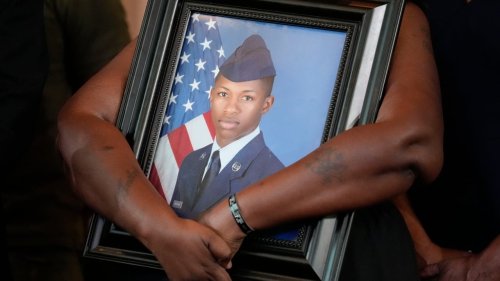
Recent national outrage over the deaths of Alex Pretti and Renee Good at the hands of U.S. immigration agents has stirred a long-overdue public reckoning with the human cost of aggressive immigration enforcement policies. But these two cases are the tip of a far larger and deeply troubling pattern. Federal immigration enforcement has been directly [...] Read More... from State Violence in Plain Sight, ICE Has Killed Dozens The post State Violence in Plain Sight, ICE Has Killed Dozens appeared first on LBS.


Recent national outrage over the deaths of Alex Pretti and Renee Good at the hands of U.S. immigration agents has stirred a long-overdue public reckoning with the human cost of aggressive immigration enforcement policies. But these two cases are the tip of a far larger and deeply troubling pattern. Federal immigration enforcement has been directly or indirectly responsible for multiple deaths of immigrants and civilians.
Pretti, Good, and Dozens More
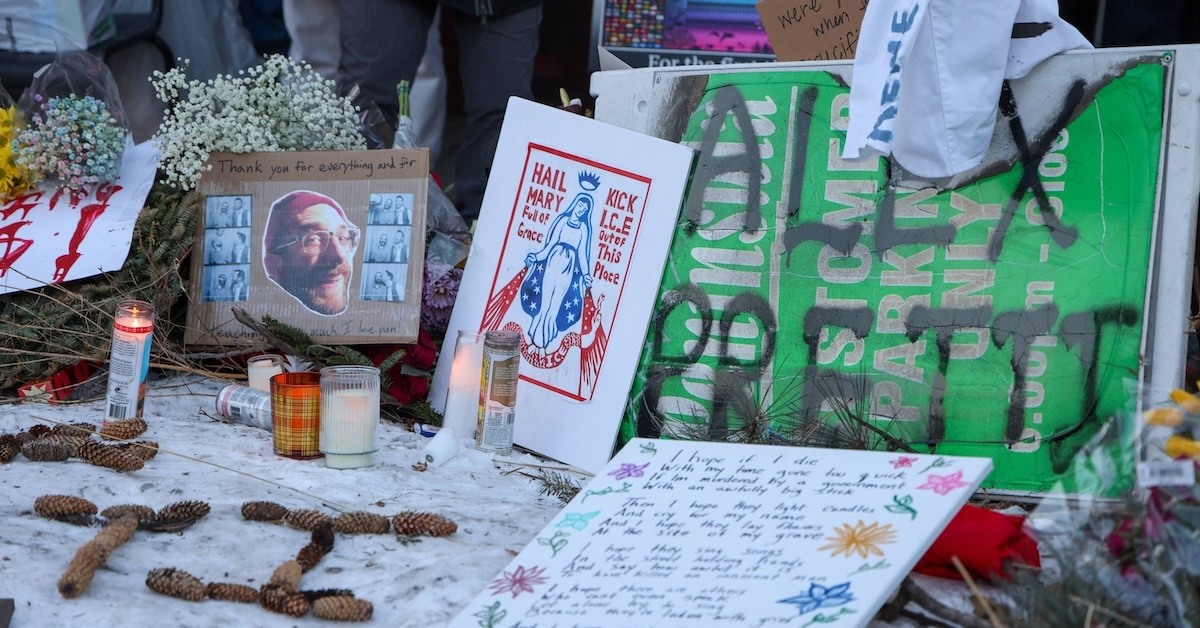
On January 24, 2026, 37-year-old Alex Pretti was fatally shot by federal agents in Minneapolis during a confrontation amid protests against the Trump administration’s inhumane immigration crackdown. Earlier that month, on January 7, federal agents killed Renee Nicole Good, a 37-year-old poet and mother of three. In both cases ICE agents deployed illegal and excessive force that resulted in Pretti and Good’s deaths.
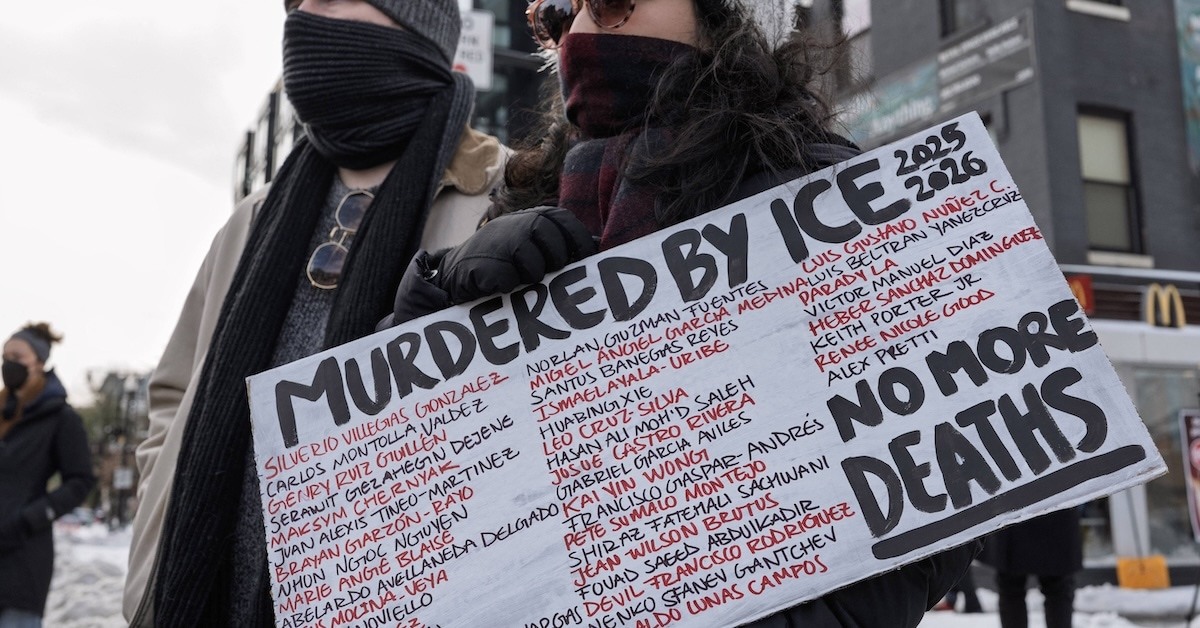
Yet these tragedies sit within a broader and sobering context. In the first weeks of 2026 alone, at least six other individuals have died in connection with ICE enforcement operations or while in ICE custody. In Texas, Victor Manuel Diaz, a 36-year-old Nicaraguan man, died at the Camp East Montana detention facility. ICE attributed his death to suicide, but his family has questioned that characterization. Another detainee at the same facility, 55-year-old Cuban immigrant Geraldo Lunas Campos, died on January 3 while in custody. Initial DHS statements made no mention of excessive force, but an El Paso County coroner later ruled his death a homicide due to asphyxia.
Other deaths tied to enforcement actions have occurred as individuals attempted to escape the violent and indignified reputation of ICE. In 2025, 38-year-old Silverio Villegas González, a cook and father of two, was shot and killed by an ICE agent while trying to avoid a traffic stop near Chicago. Another — Jaime Alanis, a farmworker in California — died from injuries sustained during an attempt to evade ICE agents. And in separate incidents, Roberto Carlos Montoya Valdez and Josué Castro Rivera were struck and killed by vehicles while fleeing enforcement personnel in California and Virginia, respectively.
In addition to these high-profile cases, deaths in ICE detention have surged. In 2025 at least 32 individuals died under ICE custody, marking the highest number of such fatalities in over 20 years. These deaths include people who died shortly after arrival, from medical complications for resulting from a lack of adequate care.
Taking Action, Defending Immigrants from ICE Terror
People looking to confront ICE violence can take action through organizations doing the work on the ground to combat immigration extremism and state violence. Groups including United We Dream, Mijente, RAICES, Al Otro Lado, the Immigrant Defense Project, and the Amica Center organize protests, rapid-response networks, detention-center monitoring, and legal support for impacted families. The National Immigration Detention Hotline and Freedom for Immigrants allow volunteers to support people currently held in ICE custody through visitation and documentation programs. Local ICE Out of Our Communities campaigns and community bail funds help secure detainees’ release and reduce the harms of detention. Advocates can also participate in court-watch programs, support independent journalism tracking deaths in custody, and pressure lawmakers through coordinated campaigns calling for defunding abusive enforcement practices and expanding non-carceral alternatives.
For immigrant communities and their advocates, this is not abstract policy debate. It is a crisis of governance and human rights. Each death underscores deep structural problems from inadequate medical care in detention centers to the militarization of domestic law enforcement powers. Whether through showing up to peaceful protests, donating, volunteering, or amplifying the voices of affected families, sustained collective action remains one of the most effective tools for ending ICE’s lethal practices.
Have you heard about ICE’s presence in your community? Are you planning on taking action to support your immigrant neighbors?
The post State Violence in Plain Sight, ICE Has Killed Dozens appeared first on LBS.
Share
What's Your Reaction?
 Like
0
Like
0
 Dislike
0
Dislike
0
 Love
0
Love
0
 Funny
0
Funny
0
 Angry
0
Angry
0
 Sad
0
Sad
0
 Wow
0
Wow
0