Should we be worried about this hantavirus? Here’s what Black health experts are saying
As concern grows around hantavirus after it was detected on a cruise, many people, including Black health experts, have been

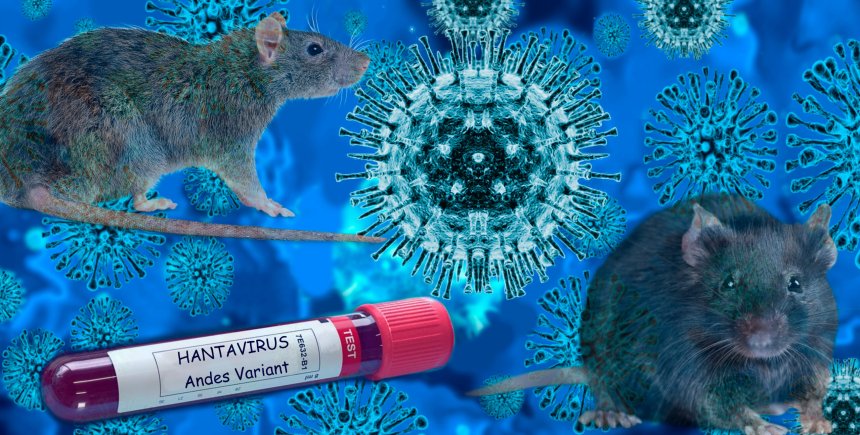
As concern grows around hantavirus after it was detected on a cruise, many people, including Black health experts, have been weighing in.
After hantavirus was detected on a cruise ship sailing the South Atlantic from Argentina toward West Africa last month, resulting in at least three deaths and prompting health organizations to track down more than 100 passengers who may have been exposed, panic has begun to spread online.
Amid the reactions, memes, concern, and growing anxiety, one looming question remains: how worried should the general public be?
Infectious disease experts have been weighing in across social media, interviews, and public health forums, including several Black health experts, and they’ve largely landed on the same message: don’t panic.
“Hantavirus deserves serious attention,” Tanya Ndiyamba, a scientist and storyteller, wrote in a post shared across her social platforms.
“The deaths are serious,” she continued. “The Andes strain link is serious. The possibility of limited person-to-person transmission is serious. But panic is not public health awareness.”
In the caption of the post, she added, “A lot of us learned the hard way that outbreaks can escalate, that ‘rare’ does not always mean ‘irrelevant,’ and that public health systems are not always as prepared as we would hope. But one thing COVID also taught us is that panic spreads quickly, too. And sometimes, it spreads faster than the science.”
According to the World Health Organization, hantavirus refers to a group of viruses carried by rodents that can cause severe, potentially deadly, flu-like infections in humans. As of Friday, May 8, there are eight identified cases tied to an outbreak aboard the MV Hondius cruise ship, and as more cases surface, including potentially in New Jersey, health experts are stressing that avoiding panic and seeking accurate, reliable information is more important now than ever.
“A lot of you have asked if this hantavirus outbreak is going to turn into the next COVID pandemic. And I completely get the question. I get it. We all still have PTSD from COVID. We don’t want to see something else like that happening,” Dr. Jen Caudle said in a recent video uploaded to Instagram this week.
She added, “Hantavirus is concerning. Mortality rate is like 30, 40% it is a very deadly virus, one that we don’t have a vaccine for, we also don’t have an antiviral medication for, like a specific treatment.”
However, while it is true, according to the Centers for Disease Control and Prevention, that roughly 38% of people who contract hantavirus may die from the disease, Caudle highlighted that the WHO continues to maintain that the overall risk to the public remains low, which she noted is a “good thing.”
One reason the public risk remains low despite the severity of the illness is how the virus spreads. Its prevalence varies dramatically by region and over time. While cases can reach into the thousands in parts of Asia and Europe, hantavirus infections are far rarer in the Americas, with fewer than 30 reported annually in the United States.
The low risk is also tied to the fact that not all strains can spread from person to person. Even with strains like the Andes variant, which has been detected during this outbreak, both Caudle and Ndiyamba noted that transmission requires extremely close contact, such as sharing utensils or prolonged exposure.
Even as experts work to ease anxiety and dispel misinformation, aspects of hantavirus are already being widely misunderstood online. One misconception centers on how the disease should be treated if contracted. A circulating theory claims it can be treated with zinc, vitamin D, and ivermectin. According to health experts and organizations, however, there is currently no vaccine or specific antiviral treatment for hantavirus.
“People are saying on the Google schmoogle that hantavirus can be treated with zinc, vitamin D and ivermectin. Let me level set with you. Currently, there are no FDA-approved specific antiviral treatments or vaccines for Hantavirus disease,” Caudle said in another update posted to Instagram this week. “Ivermectin, vitamin D, and zinc are not treatments for Hantavirus infection. So, regardless of what you’re hearing … is not true.”
She explained that the disease, which is best identified early when flu-like symptoms, including fatigue, headache, fever, or chills first appear, is primarily treated through “supportive care,” meaning doctors focus on supporting organ function, breathing, and vital signs while the body fights off the illness.
Given how serious the disease can be, experts say it’s important to make sure the sources people rely on for information are credible and properly vetted. Look up people claiming to be physicians or experts. Most legitimate professionals will have corresponding institutional profiles, medical affiliations, or LinkedIn pages where their credentials can be verified. It can also help to see whether trusted organizations, media outlets, or other medical professionals have cited or featured them.
“What we have to do is be mindful,” Caudle said in a post. “We have to watch and read and consult evidence-based sources. That’s really important, and just keep your eyes and ears open. And also, if you have any symptoms or any concerns, make sure you consult your medical team.”
Share
What's Your Reaction?
 Like
0
Like
0
 Dislike
0
Dislike
0
 Love
0
Love
0
 Funny
0
Funny
0
 Angry
0
Angry
0
 Sad
0
Sad
0
 Wow
0
Wow
0