Overlooked, overstimulated, and finally seen: Black women on late ADHD Diagnoses
A growing number of Black women are getting ADHD diagnoses as adults and advocates like Brianne Saturdays are helping them

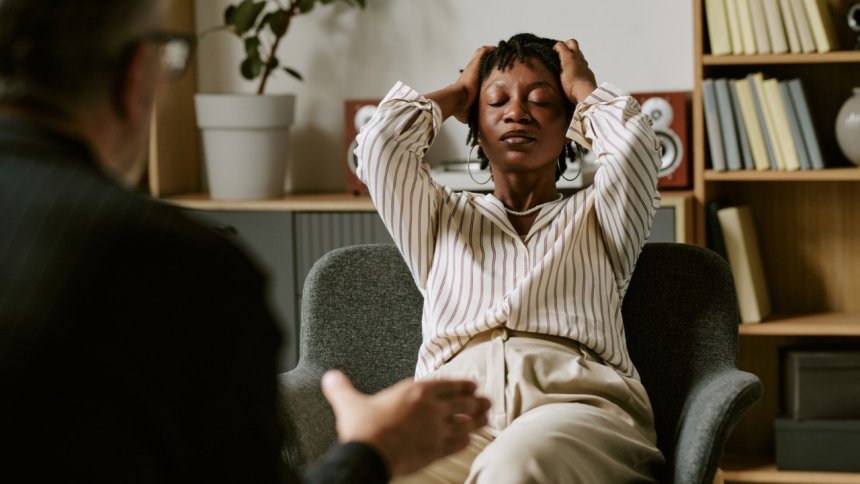

A growing number of Black women are getting ADHD diagnoses as adults and advocates like Brianne Saturdays are helping them make sense of it.
Brianne Saturdays remembers standing in the middle of her kitchen, screaming at the top of her lungs while her kids screamed and the TV blared, and asking herself: “What is wrong with me? Why am I so overstimulated? Why can’t I focus?’”
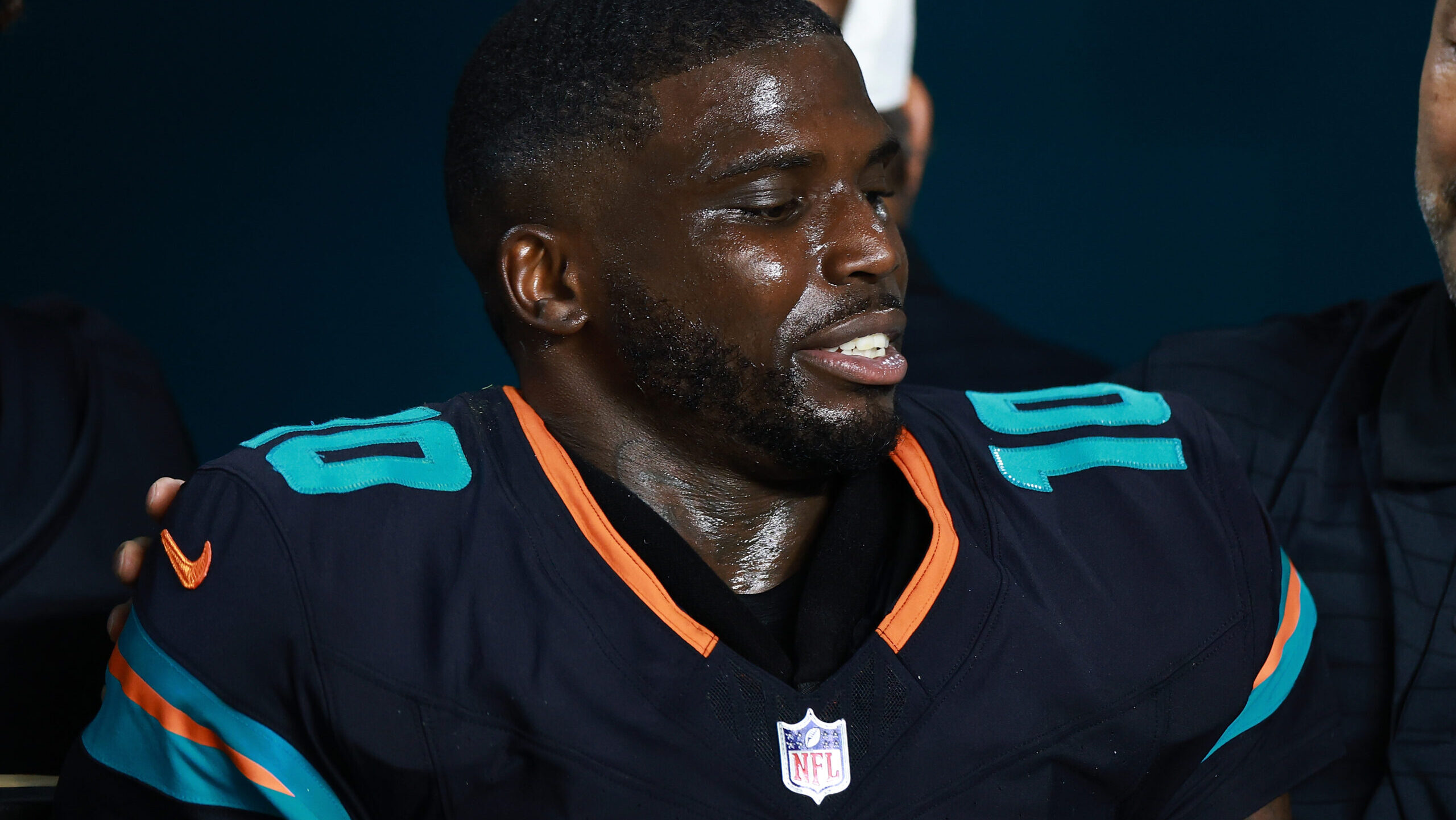
It would take years, and five psychiatrists, before she got an answer: ADHD. She’s one of a growing number of Black women, including actress Tisha Campbell, who was diagnosed at 57, sharing their experiences with late-in-life ADHD diagnoses. According to the CDC, about 15.5 million U.S. adults have ADHD, and more than half were diagnosed as adults. Yet ADHD research has rarely examined how the condition shows up in Black communities, particularly Black women, or why it so often goes unrecognized.
“It’s only in recent years that we have studies to show what ADHD looks like in women, and then it’s only more in recent time that we’re even looking at how that can look in people of color… The main person that they’re testing and running their studies on and researching is the young white male,” Brianne Saturdays, an advocate for neurodivergence in BIPOC communities, told theGrio. “So there are so many things that are missed when providers are trying to diagnose women, people of color, because they’re looking for the hyper child that can’t sit still, or they’re looking for the child that is just daydreaming all the time. And there are so many things that they’re missing, especially emotionally, socially, systemically.”
“The fact is ADHD in the Black community is going to look different than in other communities because of the historical context that we come from. We’ve had to be high masking; we have to compensate for our ADHD,” writer, advocate, and historian Blair Imani noted in a separate interview with theGrio. “We have a lot less grace.”
That lack of understanding extends beyond how Black people living with ADHD are treated and seen. It also shows up in who gets diagnosed. A study of nearly 850,000 ADHD patients found that non-Hispanic white individuals were approximately 26% more likely to receive an ADHD diagnosis than their non-Hispanic Black counterparts, with Black women the least likely to be diagnosed of any demographic studied.
Saturdays, a licensed nurse, mother of two, and founder of Black Neurodivergence, knows that gap firsthand. At 29, after the birth of her children, she was struggling with depression and anxiety, and nothing her providers tried seemed to help. Her own research led her to suspect ADHD, but when she raised it with a mental health practitioner, she was turned away. Years later, while reviewing that provider’s paperwork, she found out why.
“She refused to give me an ADHD diagnosis. [She] wrote something along the lines of ‘patient claims to have ADHD. Very insistent.’”Saturdays said. It wasn’t until her fifth psychiatrist, four months ago, that Saturdays received a formal diagnosis at 32. For Black patients, she explains, just finding the right provider is its own hurdle.
“Finding someone that first takes your insurance and then that you’re actually comfortable with and then that actually believes you… that takes a lot.”
When the diagnosis finally came, it brought relief and something heavier. Saturdays described it as validating and life-changing, in part because it opened the door to medication and support. It also brought grief.
“32 years later, and somebody’s like, ‘Okay, I’ll help you.’ A very wild emotional feeling, a lot of grief, too, that I’m still going through,” she said, explaining that much of that grief is for the years she spent without help. “What could my life have been like? I struggled in college, in school, and because of that, later in life, I struggled financially.”
For Saturdays, ADHD showed up as trouble in the classroom. But for many other Black women, the opposite is true. Strong grades and outward success can keep everyone, including the women themselves, from suspecting they need support.
The NIH defines ADHD as a developmental disorder marked by persistent symptoms of inattention, hyperactivity and impulsivity. Depending on the type of ADHD, though, those symptoms can look like much more than being restless or scatterbrained. In fact, Saturdays explains how sometimes that can be the easiest part.
“We’re not just struggling with focus. We’re not just struggling with inattention. We’re struggling with regulation… with being emotionally stable… with initiating tasks… with doing things that we see a lot of our peers being able to do with no problems and wondering why,” she said.
As Corinne Rose Guirgis, an ADHD confidence coach for late-diagnosed women, explained on the Pop Syllabus podcast, these feelings often intensify later in life as demands pile up: marriage, career, children. The shame and confusion that follow, and the effort of masking them, can lead to deep emotional exhaustion.
That exhaustion, combined with the biases that keep Black women from getting care, is what led Saturdays to create Brain Bloom. Designed for Black and Brown women (and open to allies), Brain Bloom is a 6-week virtual cohort for women with formal or self-diagnosed ADHD to learn unmasking, the tools, skills, and language needed to advocate for themselves and get support to ultimately bloom in their day-to-day lives with a community of people who understand their struggles.
“It’s important for Black women who suspect that they have ADHD to see other Black women living with ADHD. It’s important for us to be able to see ourselves in other people,” she added.
So while your social media algorithm may make you feel like ADHD is a new buzzword or trend, the reality is the uptick in people openly talking about their diagnoses reflects a wave of people finally getting answers and help for the quiet struggles and unanswered questions they have been carrying for months and sometimes years.
“No matter what age you are, when you get that help for something that you’ve been struggling with for so long, there’s so much beauty on the other side of just living, knowing that nothing is ‘wrong’ with you,” Saturdays concluded.
Share
What's Your Reaction?
 Like
0
 Dislike
0
 Love
0
 Funny
0
 Angry
0
 Sad
0
 Wow
0