New lawsuit targets Congressional Black Caucus Foundation’s scholarships for Black students
An anti-affirmative action group is accusing the Congressional Black Caucus Foundation of “discrimination,” revealing an alarming trend For years, the

An anti-affirmative action group is accusing the Congressional Black Caucus Foundation of “discrimination,” revealing an alarming trend
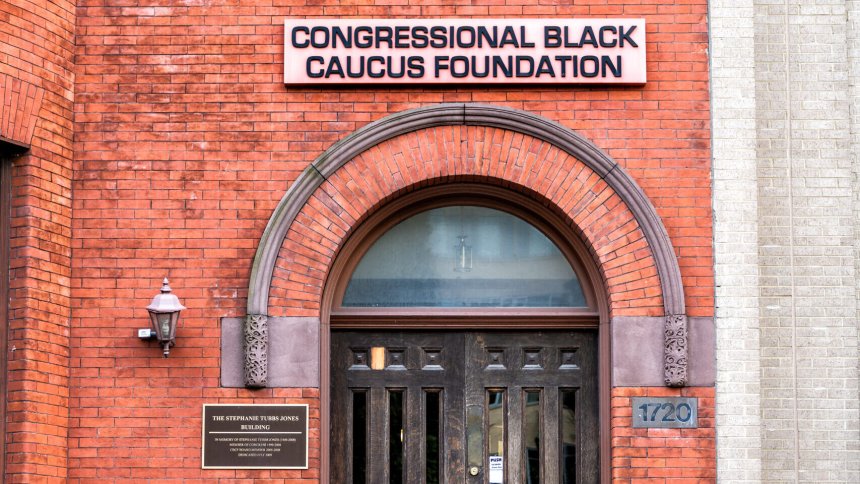
For years, the Congressional Black Caucus Foundation (CBC) has worked to support and uplift Black communities across this country. Now, an anti-affirmative action group is accusing the organization of discrimination for the CBC’s college scholarships, which support Black students who face disadvantages from attending underfunded schools in majority Black districts.
The lawsuit filed by the American Alliance for Equal Rights claims that “awarding educational opportunities to some young constituents but not others – based on the color of their skin – is neither conscientious nor legal,” in the lawsuit filed on Thursday.
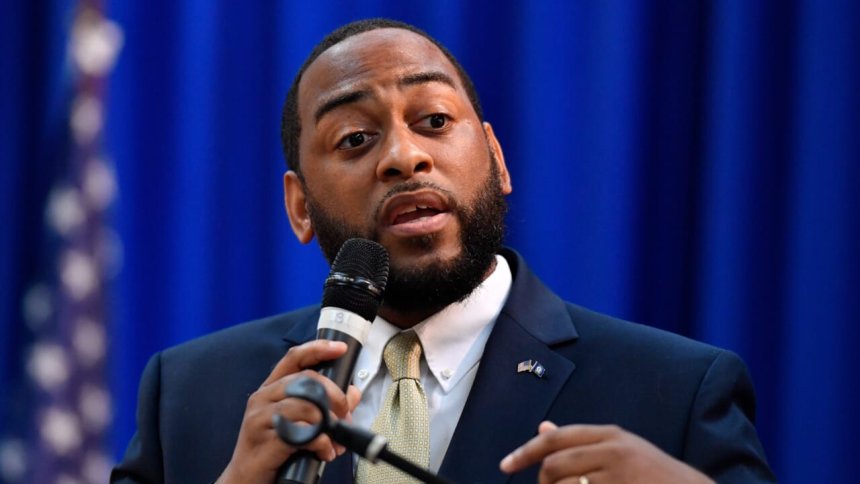
“Racial discrimination is wrong no matter which group it favors or harms. A scholarship program that tells students they are ineligible because of their race, and the race of their representatives, violates one of our nation’s oldest civil rights laws,” said Edward Blum, president of AAER, in a press release.
AAER’s lawsuit particularly raises issue with the foundation’s “CBC Spouses Education Scholarship,” which has awarded over $11 million to Black recipients since 1988. Awarding over 300 scholarships each year, the foundation’s website says the CBC Spouses programs are designed to “support current or upcoming college students across a variety of disciplines,” who “demonstrate leadership ability through exemplary community service and academic talent.”
“From the earliest days, CBC Spouses recognized a troubling reality: Black students were navigating inequitable education systems while federal investments in education were shrinking,” a CBCF blog post, shared in February, read. “For many recipients, a CBC Spouses scholarship represents not just financial assistance but validation, visibility, and belief.”
However, the lawsuit now alleges that CBC’s focus on Black students violates the Civil Rights Act of 1866. The American Alliance of Equal Rights’ filing joins a growing collection of lawsuits claiming discriminatory practices against organizations and programs that were created to combat discrimination against historically marginalized communities. Since the Supreme Court’s landmark ruling striking down affirmative action, there has been a legal pattern. In 2023 AAER filed a lawsuit against the Fearless Fund a venture capital fund supporting Black female business owners, alleging its Strivers Grant program were “racially discriminatory” towards non-Black business owners. In 2024, a U.S. federal court of appeals ruled in AAER’s favor, suspending the venture firm’s program and leading the Fearless Fund to close the grant contest.
Similarly, in 2023, AAER filed lawsuits in Texas and Florida federal courts against international firms Perkins Coie and Morrison & Foerster, accusing them of unlawful racial discrimination against white candidates. In addition to anti-affirmative action groups like Blum’s, federal organizations under the Trump administration have launched discrimination lawsuits and investigations, as part of the president’s anti-DEI push. Last year, the Department of Education alleged that the PhD Project, a nonprofit that helps Black, Latino, and Native American students earn doctoral degrees in business, limits eligibility based on race, accusing the project’s university partners of engaging in “race-exclusionary practices,” per NPR. Similarly, the Department of Justice released guidance on the application of federal antidiscrimination laws to entities receiving federal funds, “to ensure that recipients of federal funding do not engage in unlawful discrimination.”
Legal experts note that AAER and Blum’s recent focus on nonprofit organizations reflects an advancement in his “three-pronged attack on diversity, equity, and inclusion: first in higher education, then on corporate diversity and hiring, and now working to chill race-based funding and grantmaking activity.” And we are already seeing the effects of these attacks. Beyond corporations and universities changing the language surrounding their diversity, equity, and inclusion programs, the number of scholarships with race, ethnicity, or gender criteria in the National Scholarship Providers Association database dropped by 25% from March 2023 to June 2025.
As the racial wealth gap continues to increase, the attack on organizations like CBCF could have real impacts on Black communities, particularly Black youth.
Share
What's Your Reaction?
 Like
0
Like
0
 Dislike
0
Dislike
0
 Love
0
Love
0
 Funny
0
Funny
0
 Angry
0
Angry
0
 Sad
0
Sad
0
 Wow
0
Wow
0