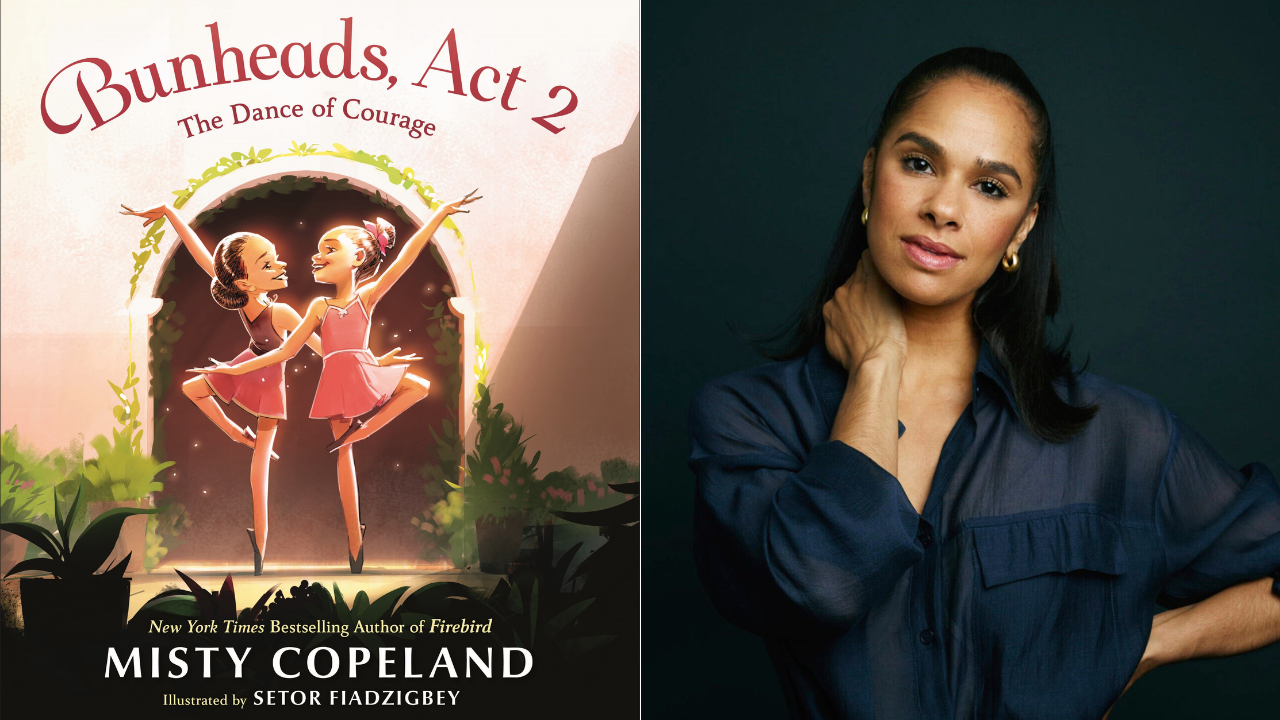
Misty Copeland reflects on dancing through pain for her historic ‘Firebird’ performance
The trailblazing ballerina says she feared losing a rare opportunity for a Black woman if she revealed the extent of


The trailblazing ballerina says she feared losing a rare opportunity for a Black woman if she revealed the extent of her injuries.
When Misty Copeland took the stage at New York City’s Metropolitan Opera House in 2012 in a fiery red costume and headdress to dance the titular role in American Ballet Theatre’s production of the classical ballet “The Firebird,” she did so through an impossible amount of pain.
The ballerina had multiple stress fractures she later learned could have been career-ending. But at 29, with one of the biggest opportunities of her life in front of her, Copeland kept it all to herself.
“I’m at the end of my career, and I was working even harder and crazier than I ever had because I was like, ‘I do not want to miss this opportunity. When will I ever see another Black woman, first of all, come into the company with me, and when will another one be given this opportunity?’” she said.
The 43-year-old trailblazing ballet star opens up about the experience, her relationship to pain now, and the pressure she felt as a Black woman in classical ballet in the latest episode of Maria Sharapova’s podcast “Pretty Tough.”
“I definitely put a lot of pressure on myself that this was it,” she told Sharapova. “I definitely felt a responsibility being in that position, being given an opportunity to do this and to prove myself, prove my talent, to prove the hard work that I’m willing to put in.”

Copeland’s boundary-breaking career was marked by pressure. In 2015, she made history as the first Black woman promoted to principal dancer at ABT, one of the country’s most prestigious ballet companies. She started ballet at 13, much later than most dancers who reach the professional level, and spent much of her career pushing against an art form that has long made it difficult for Black women to see themselves in its most celebrated roles. Her rise made her a household name. It also helped change who audiences could imagine at the center of classical ballet.
“I was having conversations with my artistic director [about] what it meant to be a Black woman in this space, and the biases that we have,” the dancer recalled. “Black women are just not seen as these leading classical roles, especially in specific ballets that are the really big classics, which are called ‘white ballets,’ where in the second act, everyone is usually a spiritual character, and they’re dressed in a white costume, and they literally pancake their skin to be a fair color. So, typically, Black people and brown people weren’t even allowed to be in those scenes.”
Before the performance at the Met, Copeland had been dancing the role on tour while privately managing her injuries with her own team outside of rehearsals. She said she had been injured before and feared that if she told the company what was happening, she would be pulled from rehearsals, lose the role and never get another chance like it.
“I was afraid to say anything, because I know the pattern,” she admitted.
“I’ve been injured many times throughout my career, and I knew that they would take me out of rehearsals, I wouldn’t be prepared, and I would not get a chance to perform,” she continued. “I’m 29. They’re never going to give me this opportunity again. So, in my mind, I’m like, I can do this, I can work through this.”
Copeland said she would do what it took to manage rehearsal, performing on tour, and work in secret with her team to recoup. With the pain and stress fractures mounting and the role of a lifetime in front of her, she pushed through.
“It was the first time that the Black community saw someone that represented them dancing on that stage for classical dance, and to see the turnout,” she said, adding, “It really changed the trajectory of ballet, and who thought they could be a part of it, and who wanted to be in it, and so [that] made it all worth it.”
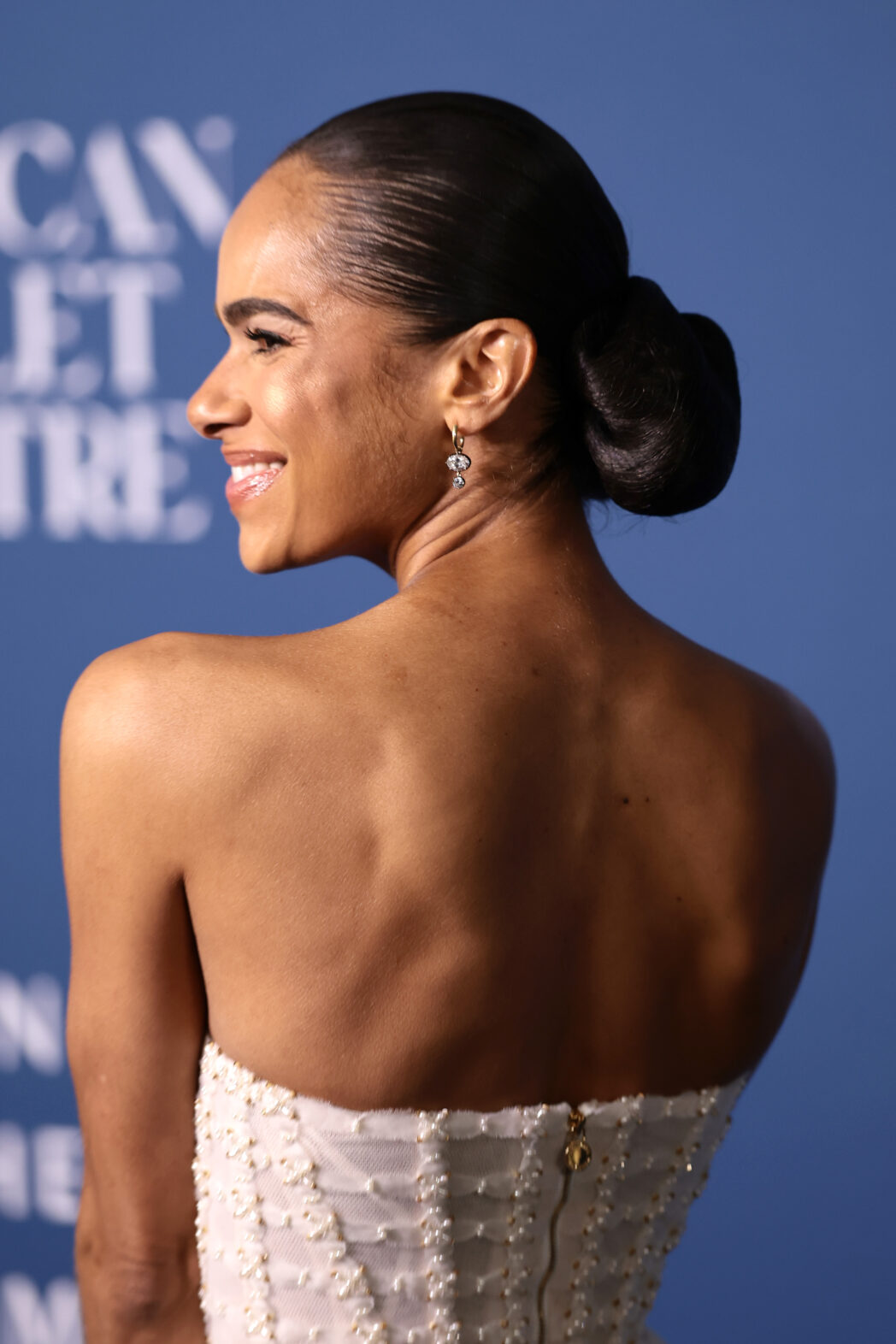
Copeland went on to rise through the ranks at ABT, becoming its first Black woman principal dancer three years later. She danced with the company for more than two decades before retiring in October 2025. Since stepping away, she has undergone hip replacement surgery and has been evolving her relationship to her body, pain, and what it means to keep moving after a career that required her to push past both. She has also continued her work to make ballet more accessible to young people who may not otherwise see themselves in it through the Misty Copeland Foundation.
The conversation comes months after Copeland briefly returned to the stage for the Oscars performance of “I Lied to You” from Ryan Coogler’s vampire film “Sinners.” The film’s fantastical musical sequence features a ballerina in red, a visual inspired by Copeland’s “Firebird.”
Copeland said Coogler’s team reached out, knowing she was recovering from hip replacement surgery and made clear they were willing to work with her however she was comfortable, even if that meant she simply stood onstage and moved her arms.
“It meant so much for that moment, for the film, and for Ryan, and for Michael B. Jordan,” she said. “I knew what it meant in the bigger picture to be a part of that. And it was really special to be invited and incredible to stand on the stage with the artists that were up there.”
Share
What's Your Reaction?
 Like
0
Like
0
 Dislike
0
Dislike
0
 Love
0
Love
0
 Funny
0
Funny
0
 Angry
0
Angry
0
 Sad
0
Sad
0
 Wow
0
Wow
0