LGBTQIA+ People Face Discrimination at the Doctor’s Office, Telehealth Provides a Path to Care
For many people, going to the doctor is a normal part of taking care of their health. But for some LGBTQIA+ people, making an appointment can come with a lot of anxiety. Worrying about being judged, misgendered, misunderstood, or treated differently can make an already stressful experience even harder. For some, that fear may even [...] Read More... from LGBTQIA+ People Face Discrimination at the Doctor’s Office, Telehealth Provides a Path to Care The post LGBTQIA+ People Face Discrimination at the Doctor’s Office, Telehealth Provides a Path to Care appeared first on LBS.

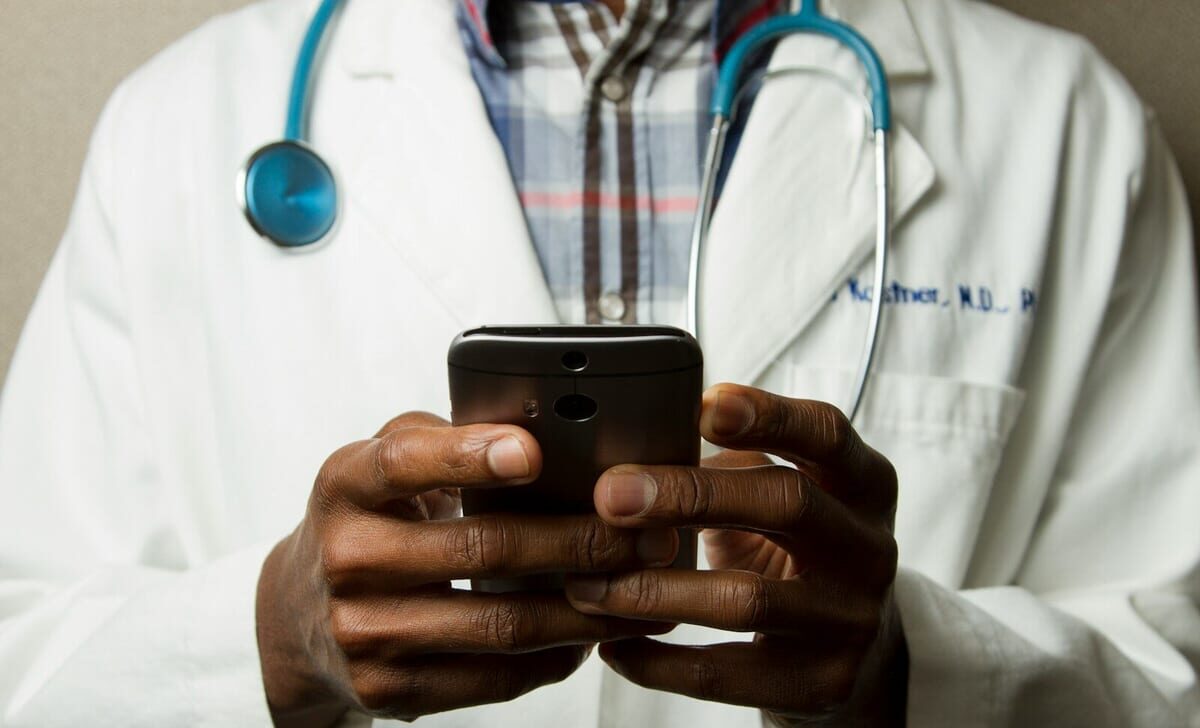
For many people, going to the doctor is a normal part of taking care of their health. But for some LGBTQIA+ people, making an appointment can come with a lot of anxiety. Worrying about being judged, misgendered, misunderstood, or treated differently can make an already stressful experience even harder. For some, that fear may even lead them to avoid medical care altogether.
Telehealth can offer another way to get the care they need. By allowing patients to meet with healthcare providers through a phone, tablet, or computer, telehealth can make medical appointments feel more private and comfortable. Being able to talk to a doctor from a familiar place, such as home, may help reduce some of the stress that comes with visiting a medical office.
MISTR, a gay owned telehealth company supports over 800,000 users with care. Care that they might not have felt comfortable getting anywhere else.
For LGBTQIA patients who have had negative experiences with healthcare in the past, having more control over their surroundings can be especially important. They may feel more comfortable discussing sensitive topics, asking questions, or talking honestly about their health when they are not sitting in an unfamiliar waiting room. Telehealth can also make it easier to find providers who have experience caring for LGBTQIA+ patients, since people are not always limited to doctors who are located nearby.
Another benefit is convenience. Transportation, work schedules, long waits, and concerns about being seen entering a particular clinic can all make healthcare harder to access. A virtual appointment can remove some of those barriers. For people who live in areas with few LGBTQIA+-friendly healthcare providers, telehealth may also provide access to specialists or clinicians who are farther away.
Of course, telehealth is not a perfect solution for every situation. Some medical concerns require an in-person examination, testing, or treatment. Patients also need access to a private space and reliable technology, which not everyone has.
Still, telehealth can be an important option for LGBTQIA+ people who feel nervous about traditional healthcare settings. Everyone deserves to feel respected and safe when seeking medical care. Giving patients more choices in how and where they receive that care can be one small but meaningful step toward making healthcare more welcoming and accessible.
About MISTR
MISTR is a gay-owned and operated online platform that brings together doctors, pharmacists, and industry minds to provide resources and PrEP to folks in need. Instead of relying on insurance providers to approve the purchase of PrEP, MISTR cuts out the middleman to help people get their prescriptions covered.
The post LGBTQIA+ People Face Discrimination at the Doctor’s Office, Telehealth Provides a Path to Care appeared first on LBS.
Share
What's Your Reaction?
 Like
0
 Dislike
0
 Love
0
 Funny
0
 Angry
0
 Sad
0
 Wow
0