Iran rejects Trump ceasefire proposal, outlines its own conditions as conflict escalates
According to Iranian officials, the government will not consider a ceasefire unless several key demands are met. Iran has rejected

According to Iranian officials, the government will not consider a ceasefire unless several key demands are met.
Iran has rejected a proposal from Donald Trump aimed at ending the ongoing conflict, instead outlining its own conditions for any potential resolution as fighting in the region continues to escalate, according to reports.
According to Iranian officials, the government will not consider a ceasefire unless several key demands are met. Among them are compensation for war damages and formal recognition of Iran’s sovereignty over the Strait of Hormuz, a critical global shipping route. The rejection signals a widening gap between both sides as diplomatic efforts stall.
The development comes amid intensified military activity involving Israel, which has stepped up operations against Iranian targets as well as Iran-backed Hezbollah forces in Lebanon. At the same time, the United States has increased its military presence in the region, deploying additional Marines and Army personnel in what officials describe as a precautionary move tied to rising tensions.
Inside Iran, senior leadership has taken a firm stance. The speaker of the Iranian parliament warned that adversaries may be preparing for further escalation, including the possible occupation of Iranian territory. These remarks reflect growing concern within the country’s leadership about the broader scope of the conflict.
The situation has already had a visible impact on civilians. Recent strikes in Tehran have damaged residential areas, with reports of casualties following attacks on buildings in neighborhoods such as Shahrak-e Gharb. Images from the aftermath show the scale of destruction and underline the human cost of the ongoing hostilities.
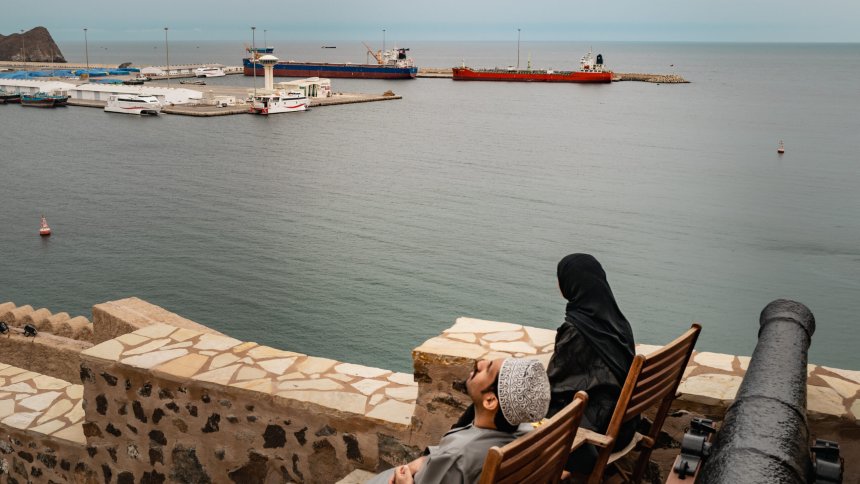
The Strait of Hormuz remains a focal point in the dispute, given its importance to global oil supply routes. Any shift in control or disruption there could have significant international economic consequences.
With both sides holding firm positions and military activity increasing, there is currently no clear path toward de-escalation. Diplomatic efforts appear stalled for now, raising concerns about a prolonged conflict and further instability across the region.
Share
What's Your Reaction?
 Like
0
Like
0
 Dislike
0
Dislike
0
 Love
0
Love
0
 Funny
0
Funny
0
 Angry
0
Angry
0
 Sad
0
Sad
0
 Wow
0
Wow
0