How Kanye Sunk One of London’s Biggest Music Festivals
The sudden cancellation of London’s Wireless Festival has been attributed to the headliner, Kanye West, and his history of hate speech, specifically directed at Jewish people. The music festival was set for July of this year and was to be hosted in London’s Finsbury Park. The Consequences for Kanye being Kanye Organizers of Wireless Festival took a major gamble by [...] Read More... from How Kanye Sunk One of London’s Biggest Music Festivals The post How Kanye Sunk One of London’s Biggest Music Festivals appeared first on LBS.

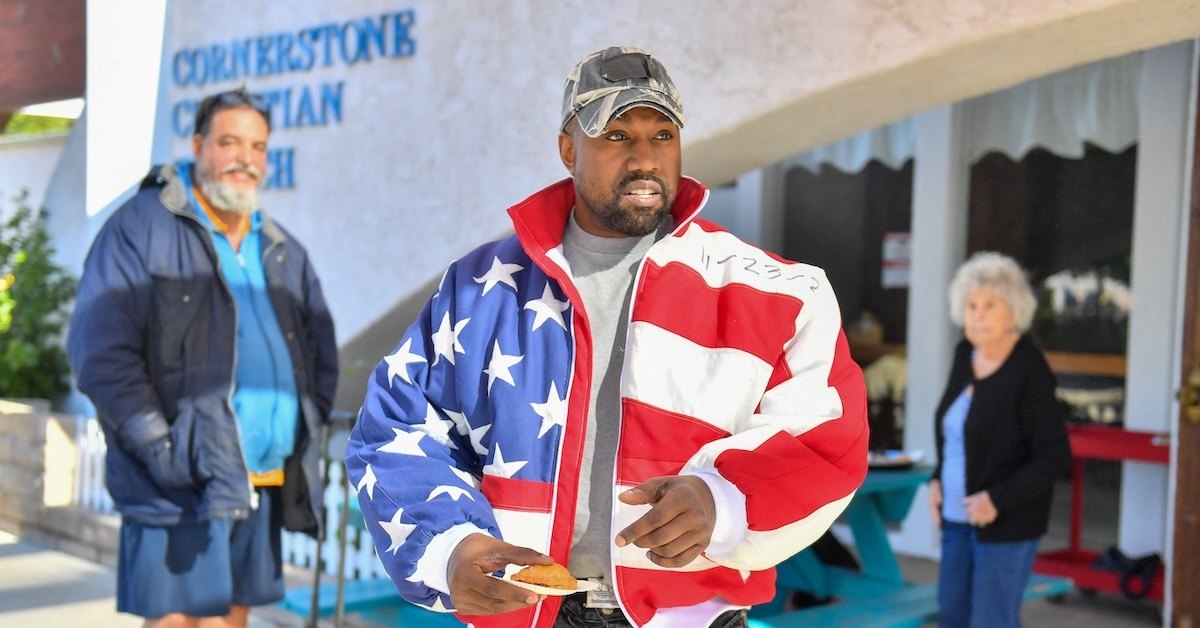
The sudden cancellation of London’s Wireless Festival has been attributed to the headliner, Kanye West, and his history of hate speech, specifically directed at Jewish people. The music festival was set for July of this year and was to be hosted in London’s Finsbury Park.
The Consequences for Kanye being Kanye
Organizers of Wireless Festival took a major gamble by booking West as the headliner for all three nights. West’s headlining announcement triggered immediate backlash from fans, sponsors, and government officials.
Soon after the announcement, the U.K. government denied West entry, citing concerns about West’s previous use of hate speech. Without its central performer—and amid mounting sponsor withdrawals—the festival had little choice but to cancel entirely. They released the following statement this week:
“The Home Office has withdrawn Ye’s ETA, denying him entry into the United Kingdom. As a result, the Wireless festival is cancelled and refunds will be issued to all ticket holders.”
Within days of West’s announcement as headliner, some of the festival’s most substantial sponsors backed out. Funders, including Pepsi, Diageo, Rockstar, and PayPal, all withdrew support for the event.
Kanye’s Pattern of Hate
While antisemitic remarks played a central role in the U.K.’s decision, they are part of a broader and longer pattern of inflammatory rhetoric that has repeatedly made West’s platform more volatile.
West has, at various points, made statements that were harmful or offensive across multiple groups. Here are just a few:
- Comparing himself to Hitler (2011): While performing at England’s Big Chill Festival, West likened himself to Hitler.
- Comments on slavery (2018): West suggested that slavery “sounds like a choice,” a remark that drew backlash for minimizing the brutality of centuries of enslavement.
- “White Lives Matter” controversy (2022): He promoted clothing featuring the slogan, widely criticized as dismissive of the Black Lives Matter movement.
- Harassment and misogynistic behavior: West has been accused of targeting women publicly, including journalists and former partners, with language described as demeaning or abusive.
- A full list of offenses is difficult to document, as a result of the sheer volume of controversies.
These incidents, taken together, have shaped a public image that should send a clear message to organizers about the consequences of booking West. Less than a year ago, West released a song titled “Heil Hitler.” These are not imaginary or outdated concerns; these are real threats.
The cancellation of Wireless Festival may signal a shift in how the entertainment industry evaluates risk. Booking a controversial artist is no longer just a branding decision, it can determine whether an event happens at all.
For fans, it’s a reminder that music culture doesn’t exist in a vacuum. For organizers, it serves as a cautionary tale. And for Kanye West, it’s another chapter in a career where hate does not come without consequence.
Have you been following Kanye’s career? What do you think of his recent controversies?
The post How Kanye Sunk One of London’s Biggest Music Festivals appeared first on LBS.
Share
What's Your Reaction?
 Like
0
Like
0
 Dislike
0
Dislike
0
 Love
0
Love
0
 Funny
0
Funny
0
 Angry
0
Angry
0
 Sad
0
Sad
0
 Wow
0
Wow
0