Black business leaders speak out on the real impact of corporate DEI rollbacks
“We make advancements, and then we hit one of these periods where we have to deal with the backlash,” said

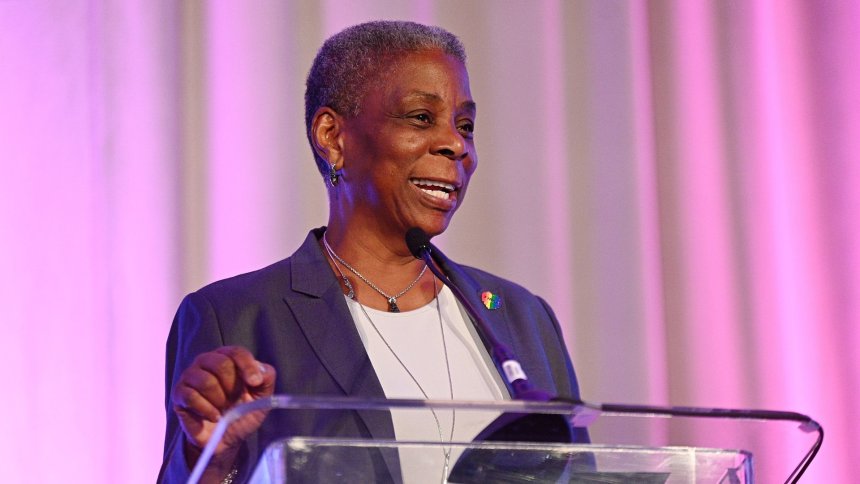
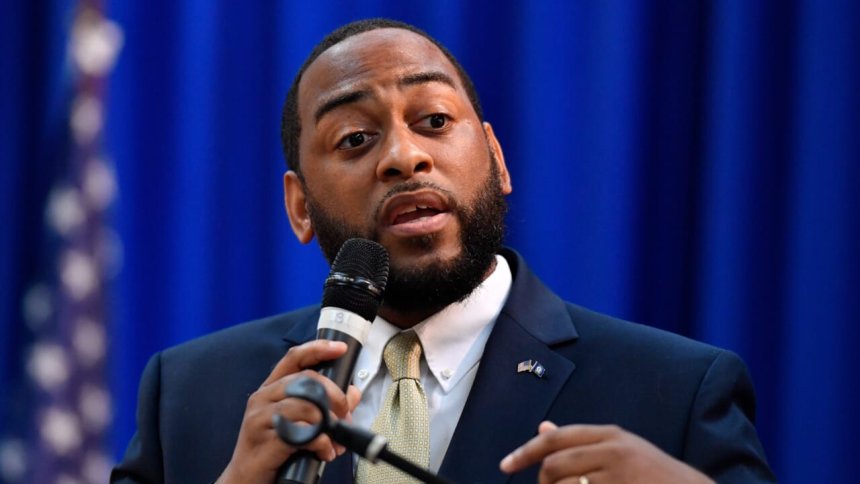
“We make advancements, and then we hit one of these periods where we have to deal with the backlash,” said Jacob Walthour Jr., CEO of Blueprint Capital Advisors.
A growing backlash against diversity, equity and inclusion (DEI) policies is reshaping conversations across corporate America, with prominent Black business leaders warning that the broader narrative around opportunity and progress is being challenged, according to a recent roundtable conversation convened by Bloomberg Businessweek.
The shift follows actions by the Trump administration since taking office for his 2nd term to scale back federal DEI initiatives, a move that has influenced both the private sector and educational institutions. In the immediate aftermath of Trump’s inauguration, several major companies have reduced or reworked their diversity programs, reflecting a wider change in tone around inclusion efforts.
For executives like Ursula Burns, the debate is both familiar and frustrating. Speaking about the current climate, she emphasized that DEI efforts have historically helped address systemic barriers rather than provide unfair advantages. “We’re talented individuals; we happen to have a skin color or a gender that’s different than the standard,” she said, adding that it is frustrating to feel the need to defend basic competence and opportunity.
Other leaders see the moment as part of a broader historical pattern. Jacob Walthour Jr., CEO of Blueprint Capital Advisors, argued that narratives around Black contributions are often minimized during periods of social and economic progress. “We make advancements, and then we hit one of these periods where we have to deal with the backlash,” he said, pointing to parallels with Reconstruction and the Jim Crow era.
Despite the pushback, executives note that measurable progress continues. There are more Black lawmakers serving in Congress than at any previous point, and increased representation is also visible in industries like venture capital and private equity. Still, leaders stress the importance of maintaining visibility and control over that progress.
“We have to keep our narrative alive and well,” Walthour added, underscoring the need to ensure future generations understand what is possible.
Data is also playing a growing role in the conversation. Lisa Wardell highlighted that diverse teams are not just a moral goal but a proven advantage. “We now have data… 87% of teams make better choices if they’re diverse,” she said, framing inclusion as a business imperative rather than a charitable effort.
At the same time, new data shows continued growth in Black entrepreneurship. Black women, in particular, are emerging as the fastest-growing group of business owners, with double-digit gains in recent years.
As debates around DEI continue, many executives argue the focus should remain on long-term impact, not short-term political shifts, emphasizing that inclusion and representation are tied directly to economic growth and innovation.
Share
What's Your Reaction?
 Like
0
Like
0
 Dislike
0
Dislike
0
 Love
0
Love
0
 Funny
0
Funny
0
 Angry
0
Angry
0
 Sad
0
Sad
0
 Wow
0
Wow
0