A Virginia mom wants answers after her 9-year-old dies at swim camp
King Overton was excited to learn how to swim on his first day at summer camp. His death is now

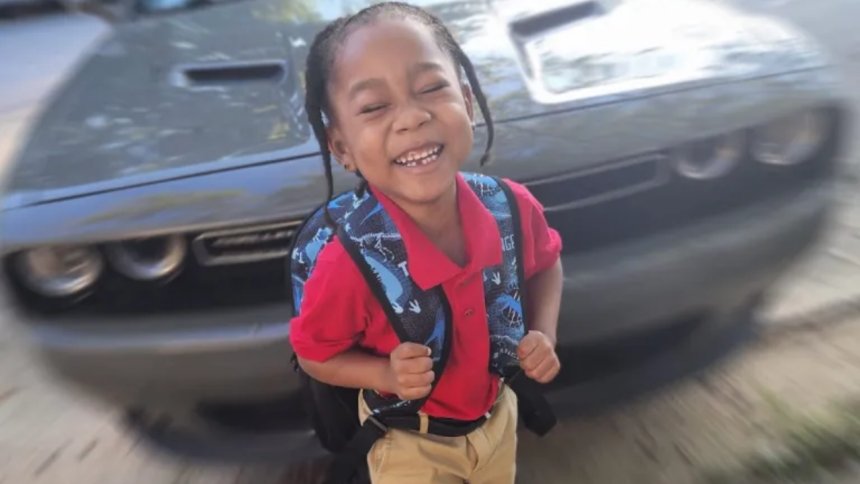
King Overton was excited to learn how to swim on his first day at summer camp. His death is now raising painful questions about water safety, supervision, and access to lifesaving swim lessons.
A summer camp drop-off is supposed to feel routine. A kiss goodbye. A reminder to listen to the adults. Maybe a packed lunch, a backpack, and a child excited to come home with a new skill.
For LaTaisha Johnson, that ordinary morning became the last time she saw her 9-year-old son, King Overton, alive.
Local coverage reports that Monday, June 15, was his first day of summer camp, and he was preparing to learn how to swim. Around 2:30 p.m., he was pulled unresponsive from the pool. Staff reportedly began CPR before first responders arrived, and King was taken to a local hospital, where he died.
Johnson told local reporters her son had been excited that morning. Their final exchange was the kind of thing parents say every day without thinking it could become sacred: She told him she loved him. He told her he loved her back.
Now, she wants answers.
As of now, officials have not publicly explained exactly what happened in the moments before King was found in the water. SwimRVA said in a statement that it is cooperating with authorities as they review the circumstances surrounding the incident.
“Our hearts are with the child’s family and loved ones during this loss,” the organization said, extending condolences to everyone affected.
But for King’s family and community, condolences are only one part of the story. They are grieving a child remembered as full of personality and joy, while also asking the questions any parent would ask: Who was watching? What safety measures were in place? How does a child go to a swim program to learn safety and not come home?
The tragedy also lands during a season when families across the country are signing children up for camps, pool days, beach trips and swim lessons. For Black families especially, water safety is not just a summer checklist item. It is wrapped up in history, access, fear, money and survival.
For generations, Black communities were denied access to public pools, segregated out of swimming spaces or left with underfunded recreation options. The effects did not disappear just because the laws changed. The Centers for Disease Control and Prevention has reported that more than one in three Black adults say they do not know how to swim, compared with 15% of adults overall. The agency also notes that many Black adults never had formal swimming lessons.
That context matters. Learning to swim can be joyful. It can be freedom. It can be one more way for Black children to move through the world with confidence. But it also has to be paired with serious supervision, clear safety standards and transparency from the adults and organizations entrusted with children’s lives.
The CDC says formal swimming lessons can reduce the risk of drowning, but lessons do not “drown-proof” children. Close and constant supervision is still necessary. The American Red Cross also encourages families to think in layers of protection, including water competency, life jackets when appropriate, barriers around pools, and adults who are fully focused on watching children near water.
For parents, that means asking direct questions before camp begins: Are swim tests required? Are children grouped by ability? What is the camper-to-lifeguard ratio? Are lifeguards certified? Is “free swim” allowed? Who is watching children who are still learning? What happens in an emergency, and how quickly are parents notified?
Those questions are not overprotective. They are necessary.
Over the weekend, hundreds of motorcyclists and community members reportedly rode in King’s honor, a tribute connected to something he loved. The image is beautiful and devastating at the same time: a community showing up for a little boy who should have had so much more life ahead of him.
King went to camp to learn how to swim. His family is now left trying to understand why he never came home.
And as summer continues, his story is a heartbreaking reminder that water safety cannot be treated like an optional extra. For every child, and for every family trusting someone else with their child near a pool, it has to be the standard.
Share
What's Your Reaction?
 Like
0
Like
0
 Dislike
0
Dislike
0
 Love
0
Love
0
 Funny
0
Funny
0
 Angry
0
Angry
0
 Sad
0
Sad
0
 Wow
0
Wow
0