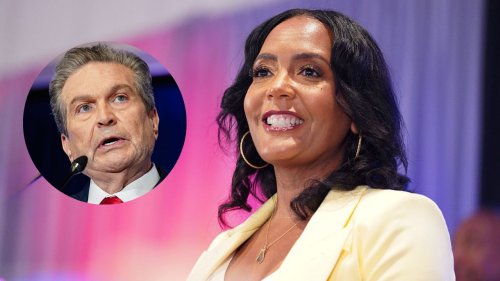
Young Black mothers deserve a seat at the maternal health table, too
Rapper Monaleo’s medical scare is a reminder that the fight for Black maternal health must include young mothers. By now,


Rapper Monaleo’s medical scare is a reminder that the fight for Black maternal health must include young mothers.
By now, most of us have heard some version of the statistic: Black women are three and a half times more likely to die from pregnancy-related causes than white women. For the last 10 years, we have talked about it during Black Maternal Health Week. We share the posts, we mourn the losses, and yet there’s a group of Black mothers who barely make it into that conversation at all: young mothers. The teen moms, early twenty-something moms who find themselves fighting medical racism, prejudice, and the extra stigmas linked to being a young mother.
Most recently, 24-year-old rapper and mother Monaleo highlighted this reality when she opened up about how overlooked abdominal pain led to a life-threatening medical emergency. In a recent freestyle and TikTok live, the Houston rapper explained how doctors tried to send her home despite experiencing extreme pain. It ultimately took her pushing for the medical staff to conduct a surgery for doctors to see that a softball-sized cyst had twisted, cut off blood flow to her fallopian tube, and caused internal bleeding in her abdomen.
“Imagine had they sent me home with a dead ovary and fallopian tube and internal bleeding that was pulling,” she recalled to her fans. “That’s actually life-threatening, you can literally die.”
@shegottea Please keep her in prayer as she continues to heal 🛐🤍 #monaleo #fyp ♬ original sound – Clock it 🍵
That type of medical gaslighting is one of the many reasons why Black women are three and a half times more likely to die from pregnancy-related symptoms than white women. Similarly, recently published reports from the CDC found that Black women often endure more invasive surgeries because their pain is consistently overlooked. However, Dr. Aisha Mays, a family medicine and adolescent medicine physician based in Oakland, California, explains that these risks are often amplified for young moms, who are already vulnerable due to their age.
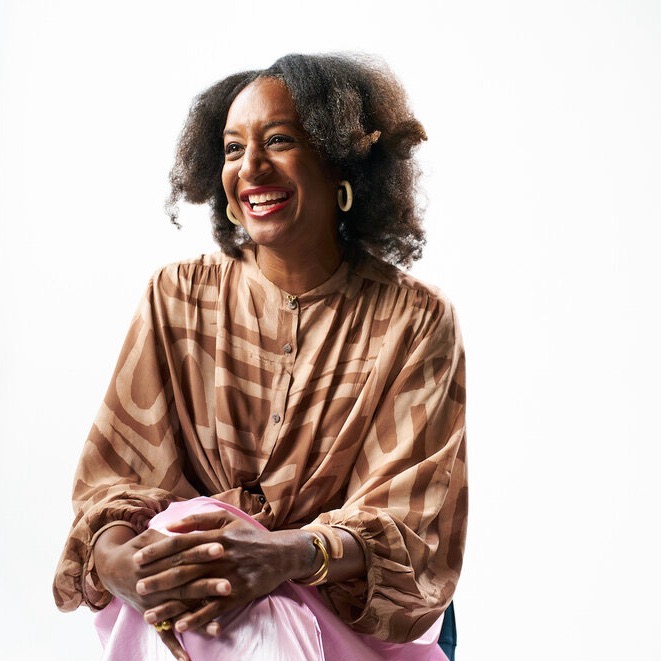
“This is the 10-year anniversary of Black Maternal Health Week, and even as we talk about Black maternal health disparities and Black maternal mortality rates, young mothers are still forgotten about in those conversations. They’re not even thought about,” Dr. Mays told theGrio. “It is so important for young Black mothers to be at the center of this conversation because they’re even more they’re some of the most vulnerable Black mothers in our community.”
Dr. Mays founded the Dream Youth Clinic, an organization that provides free medical care, mental health services, and reproductive health support to young people ages 13 to 25, rooted in a reproductive justice framework. And this year, in an effort to recenter Black Maternal Health Week on young people, the organization launched the “Young Black Moms To The Front” campaign.
“We also know that it is even more difficult for young mothers, teen mothers, early young adult mothers because of the stigma that is placed on young mothers and teen mothers during that time, it’s not the pregnancy alone,” she continued. “It is the societal stigma that is placed on young mothers that really has pushed them to the fringes, into the corners, where they’re really not even they’re not seen, they’re not regarded. And more than that, they are looked down upon and shamed for their choices.”
Dr. Mays further explained how teen mothers face higher rates of preterm birth and early delivery, which is directly linked to increased stress during pregnancy and sometimes the late implementation of prenatal care.
“All those things can happen when stigma is placed on you,” she notes. “We also see that the health disparities for the babies born to teen moms have higher rates of being low birth weight, which can also happen when you haven’t had prenatal care as consistently. And we know that young mothers experience discrimination when they go to the doctor, even when they are trying to do the best for their health care.”
Having worked with young mothers for nearly 20 years in her practice as a doctor and 10 years through her organization, Dr. Mays has seen both the struggles and the joys of young motherhood, which are often kept out of mainstream discourse.
“What we’re told from society is all these negative things. Young mothers don’t finish school, but what we’re not told is that they were pushed out. We’re told that young mothers have worse birth outcomes and worse outcomes for their children, but we’re not told that they are being discriminated against when they go to see a health care provider. We’re told that young mothers have higher rates of their babies going into the foster care system, but what we’re not told is that young mothers have more incidents of having social services called on them just because they’re a teen mom, not because they’ve done anything wrong,” she explained.
“So, the surveillance, that and that policing that happens to young mothers simply because of their age, those are the things that are causing these downstream statistics that are being reported,” she added.
She and her colleague, Dr. Bria Peacock, delved deeper into this phenomenon in their Black Adolescent Mother (B.A.M.) study, which involved interviews with young Black mothers in California and Georgia. The study revealed that young mothers need consistent, wraparound community support, spaces like the Dream Youth Clinic’s “Young Mothers Rising” program, where they are celebrated, resourced, and empowered, not just tolerated. Similarly, this demographic needs postpartum support, which many of the study participants say was promised but not delivered to them after they gave birth. Just as there are food deliveries, mom circles, and community check-ins for adult postpartum moms, young women transitioning into motherhood need mother circles tailored to the unique experience of entering this chapter as an adolescent.
Ultimately, Dr. Mays hopes that the next decade looks radically different for young mothers.
“What I wish to see for our 20-year [celebration of Black Maternal Health week] is young people at the center, where we are moving our young Black mothers from the shadows where they have been for decades to the center, so they know we see them. We are supporting them. We are listening to them, and we are learning from their leadership around what Black mothers need in this country,” she concluded. “[Because] having a child at a young age does not mean your life is over. It has been detrimental for young people because of how they’ve been treated for that choice. So imagine if we change the treatment from punishment to celebration, support, and resources. It would change 100%.”
Share
What's Your Reaction?
 Like
0
Like
0
 Dislike
0
Dislike
0
 Love
0
Love
0
 Funny
0
Funny
0
 Angry
0
Angry
0
 Sad
0
Sad
0
 Wow
0
Wow
0