Why So Many Influencers Fake ‘Luxury Events’ Online
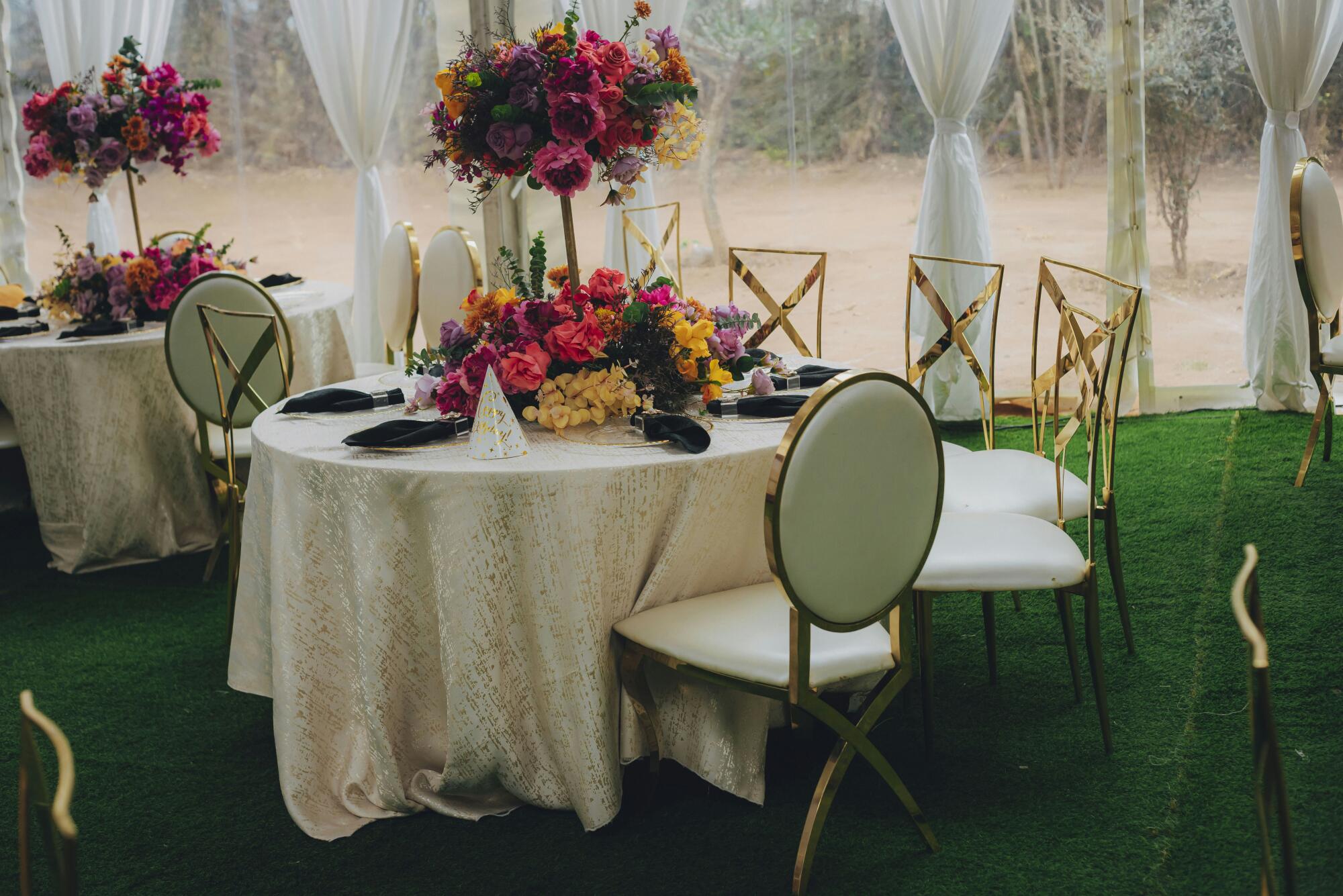
Unsplash.com royalty-free image #rJWykl03fbA, ” uploaded by Michael Kyule (https://unsplash.com/@madness_leahcim_), retrieved from https://unsplash.com/photos/elegant-tables-set-with-colorful-floral-arrangements-for-an-event-rJWykl03fbA on May 15th, 2026. License details available at https://unsplash.com/license – image is licensed under the Unsplash License When creators fake luxury events, it can pay off in mental validation from likes to lucrative brand deals that eventually provide what they were pretending [...]


When creators fake luxury events, it can pay off in mental validation from likes to lucrative brand deals that eventually provide what they were pretending to do. People and brands enjoy seeing content showcasing those who appear beautiful, successful, and rich, so they’ll engage with this content, thus boosting the creator’s profile online.
Aspire reports that 74% of marketers plan to increase their influencer marketing budgets in 2026, while 69% say influencer content performs better than brand-directed content. Therefore, there’s an incentive for content creators to try to get a piece of those budgets.
Why Do Influencers Post Fake Luxury Events?
There’s a lot of money in being fake. Brands often partner with creators who appear successful. That’s why faking a luxury party or time on private jets and high-rise apartment settings can help these creators get paid sponsorships.
In other words, the idea is to fake it until you make it by presenting an image that can help you later acquire what you’re pretending to have now.
These influencer accounts usually gain faster follower growth as people are also attracted to accounts of people who look rich and successful. This consistent engagement from users generates higher rankings in social media algorithms, and brands quickly take notice.
Even regular social media posters can get validation from comments and likes. This need for psychological validation increases with someone becoming Instagram or TikTok famous. Even if people are liking and commenting on a perception, the person is still placating a mental and emotional need for this validation that’s unavailable in real life.
Speaking of algorithms, the way social media works isn’t about who has the “best” or most “real” content, but the most curated, glamorous elements that can create higher visibility. These algorithms can change at any time, and they’re not visible to people who don’t create them.
Therefore, those on the outside, such as content creators, tend to follow what seems popular at the moment, and those extravagant, over-the-top events and images will always gain traction somewhere.
As Sprinklr noted in 2025, “Algorithms [have]unprecedented insight into your behavior. They now pull signals not just natively from the social media apps, but also from your browsing, location, device, and other app usage.”
A Strange Case Of “Digital Blackface”
In one crazy story about fake luxury events from 2024, a white female influencer named Lauren Blake Boultier decided to take a photo of a black model, Tatiana Elizabeth, who attended the U.S. Open in Queens and superimpose her face over it.
Boultier never even attended this event, but tagged her Photoshopped picture as being at the Miami Open. According to the Root, her reason for doing so was “This came from an A.I. content system my team uses to generate images at scale. “
What Are Some Key Aspects of Being A Lifestyle Influencer?
Do you want to become a lifestyle influencer in 2026? If so, a solid format includes:
- Strategic contact creation
- Consistent posting
- A business strategy for monetization
- Community engagement
- Learning essential editing tools and equipment
However, you may quickly speed up the process by following a few phony tricks of the trade, like upscale party rentals.
Insights From 2021 Documentary “Faking Famous”
The purpose of this HBO documentary was to take three unknowns and use typical social media tricks, such as fake photo shoots, to turn them into social media darlings.
As director Nick Bilton explained to Yahoo Entertainment about this influencer world, “They fake all-expense-paid camping trips so that later, they can get a free all-expense-paid camping trip.”
One of the film participants, aspiring actress Dominique Druckan, gained over 100,000 followers (a combination of bots and real people) under Bilton’s strategy. It also led to more acting auditions.
How Do People Create These Fake Private Luxury Events?
Are you ready to rent an audio visual crew and have a few friends in the background? Bring them to rented locations like mansions to set up photo shoots and “host” elaborate high-end parties. Those private jet photos are often on rented grounded jets.
Influencers are now changing clothes multiple times during a single photo shoot to create the illusion of being on a long luxury vacation. Maybe they’re inspired by Diana Ross’ 1996 Super Bowl performance, where she famously changed into multiple stunning outfits, all within 12 minutes. Unlike Diana, they’re not flying away in a helicopter immediately afterward.
Frequently Asked Questions
Who Is The Most Popular Black Influencer?
With over 33 million followers from YouTube to TikTok, Marques Brownlee (MKBHD) has become one of the top Black creators online and a major tech influencer. He’s even made the TIME100 Creators list in 2025.
Kai Cenat and IShowSpeed are prominent streamers, with Cenat having over 20 million followers and iShowSpeed winning the 2024/2025 Streamer of the Year.
Vegan pro Tabitha Brown started off with vegan recipes on TikTok. She still leads in the lifestyle area with over 13 million followers across platforms.
A leading figure in the beauty world, Jackie Aina has millions of followers and gained prominence by holding brands accountable for a lack of diversity. In addition to providing tutorials and honest reviews, she has released her own luxury lifestyle brand FORVR MOOD.
What Is An Example Of Deceptive Influencer Marketing?
Notable examples of false advertising by influencers include heavy use of beauty filters in advertisements, especially for “after photos” promoting products.
Many have also not disclosed their sponsorships, leaving viewers unaware that these content creators are being paid to endorse certain products and services.
Promoting misleading product efficacy and unsubstantiated health claims is a dangerous problem. In 2015, the FDA had to intervene when Kim Kardashian promoted a morning sickness pill without disclosing potential side effects.
There’s also been an issue with fake celebrity endorsements thanks to AI-generated voice-overs on social media.
All The Glitters Online Isn’t Gold
The next time you feel a certain way about an influencer posting luxury events that you weren’t invited to, give yourself enough grace to know that it may not even be a real event. That private jet may be a photo shoot, and the extended vacation may be a Diana Ross-level costume change.
Strategically faking a lifestyle is a savvy and commonly successful trick to get brands to pay for the real thing later.
If you’re looking for some real lifestyle content, check out our real articles on our real website.
Share
What's Your Reaction?
 Like
0
Like
0
 Dislike
0
Dislike
0
 Love
0
Love
0
 Funny
0
Funny
0
 Angry
0
Angry
0
 Sad
0
Sad
0
 Wow
0
Wow
0
![The WNBA’s Uneven Whistle Continues To Put Black Women In Danger [Op-Ed]](https://i1.wp.com/newsone.com/wp-content/uploads/sites/22/2026/08/17863865807191.jpg?w=1024&strip=all&quality=80&ssl=1#)