What does Supreme Court ruling against Trump tariffs mean for Black Americans?
The Supreme Court’s 6-3 decision is expected to bring great relief to Black businesses and the consumers who patron them.

The Supreme Court’s 6-3 decision is expected to bring great relief to Black businesses and the consumers who patron them.
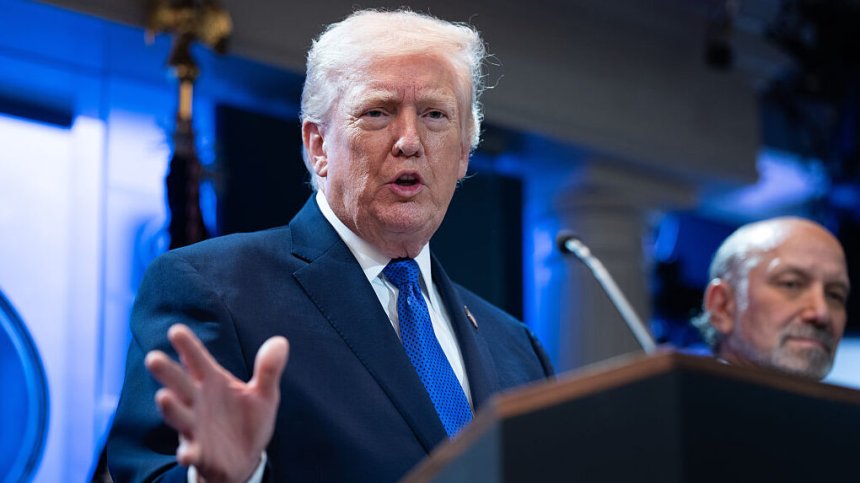
President Donald Trump was dealt a major blow after the Supreme Court’s ruling against the administration’s sweeping global tariffs, Trump’s signature economic policy that has unnerved markets and driven up the costs.
Though an angry Trump vowed to still impose 10% global tariffs through a different mechanism, critics of the president’s controversial tariffs say it is a victory, particularly for Black Americans who have been disproportionately squeezed in what has been a volatile U.S. economy.
The Trump administration, under the guise of a trade gap between the U.S. and foreign countries, imposed retaliatory duties on goods being imported to the United States.
According to the Center on Budget and Policy Priorities, President Trump’s “extreme tariff scheme” has cost jobs and created an “uncertain environment” for businesses, particularly Black-owned businesses. Black-owned businesses are relatively small and less well connected to government officials, and, as a result, were less likely to obtain exemptions from tariffs.
The Supreme Court’s 6-3 decision is expected to bring great relief to Black businesses and the consumers who patron them.
“This is not just a defeat for Trump’s illegal tariff scheme; it is a victory for accountability and for the small businesses that anchor our communities,” said Nadine Smith, president and CEO of Color Of Change. “Tariffs hurt businesses across the board. They raise costs, squeeze margins, and push higher prices onto consumers.”
Smith said Trump’s tariffs were especially harmful to Black entreprenuers who are “concentrated in retail, food service, beauty, and other import-dependent sectors” and “have less access to capital and credit to cushion sudden shocks.” 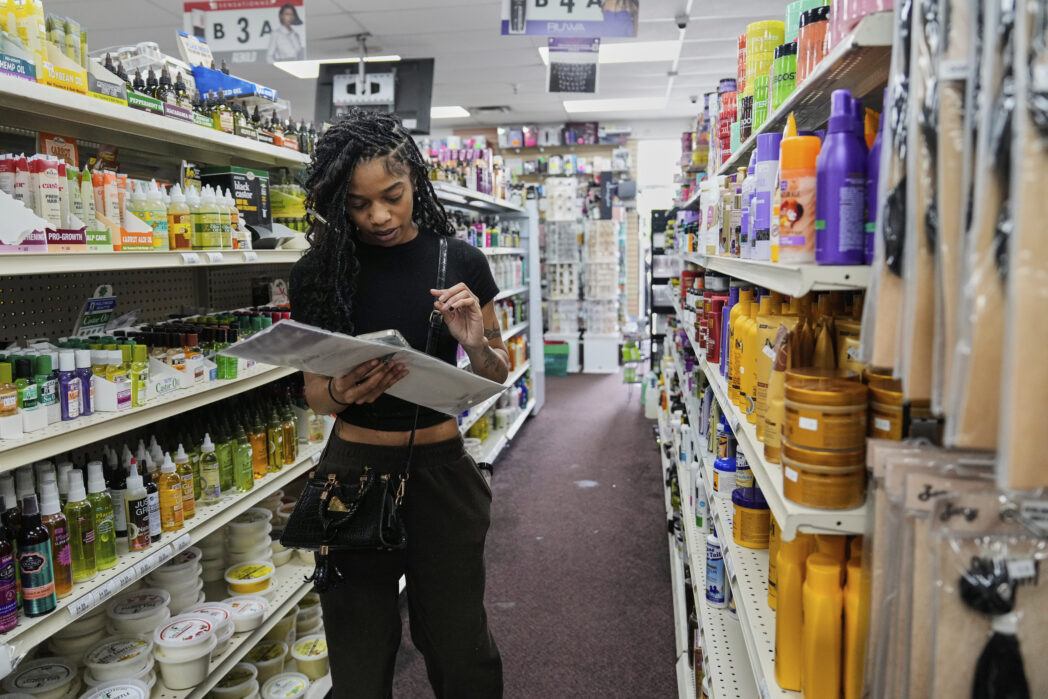
“The Court made clear that no president gets to rewrite the economy by fiat. When we organize and demand oversight, we can block economic harm before it deepens inequality,” said the social justice leader.
Alphonso David, president and CEO of Global Black Economic Forum, said the president’s “broad, untargeted tariffs” served as “hidden taxes” that destabilized supply chains and created “uncertainty for businesses trying to plan and grow.” However, he noted, “Those impacts are not evenly distributed.”
He explained, “Trade policy should expand opportunity and competitiveness — not deepen inequities. Sustainable growth requires stability, accountability, and an economy that works for everyone.”
The high court’s ruling against Trump’s tariffs were especially celebrated by Black farmers, who have suffered greatly as a result of a disrupted supply chain for commodities like corn, wheat and soybeans caused by high tariffs.
“It opens the markets,” said John Boyd, president of the National Black Farmers Association. The Black farmers advocate, who was a frequent and vocal critic of Trump’s tariffs, told theGrio, “Today is a big win for me.”
The timing could not be more critical for Black farmers, who have struggled through decades of discrimination by the U.S. Department of Agriculture and subsequent economic disparities. Many Black farmers are at risk of losing their farms due to persistent debt and the inability to produce and sell enough crop. 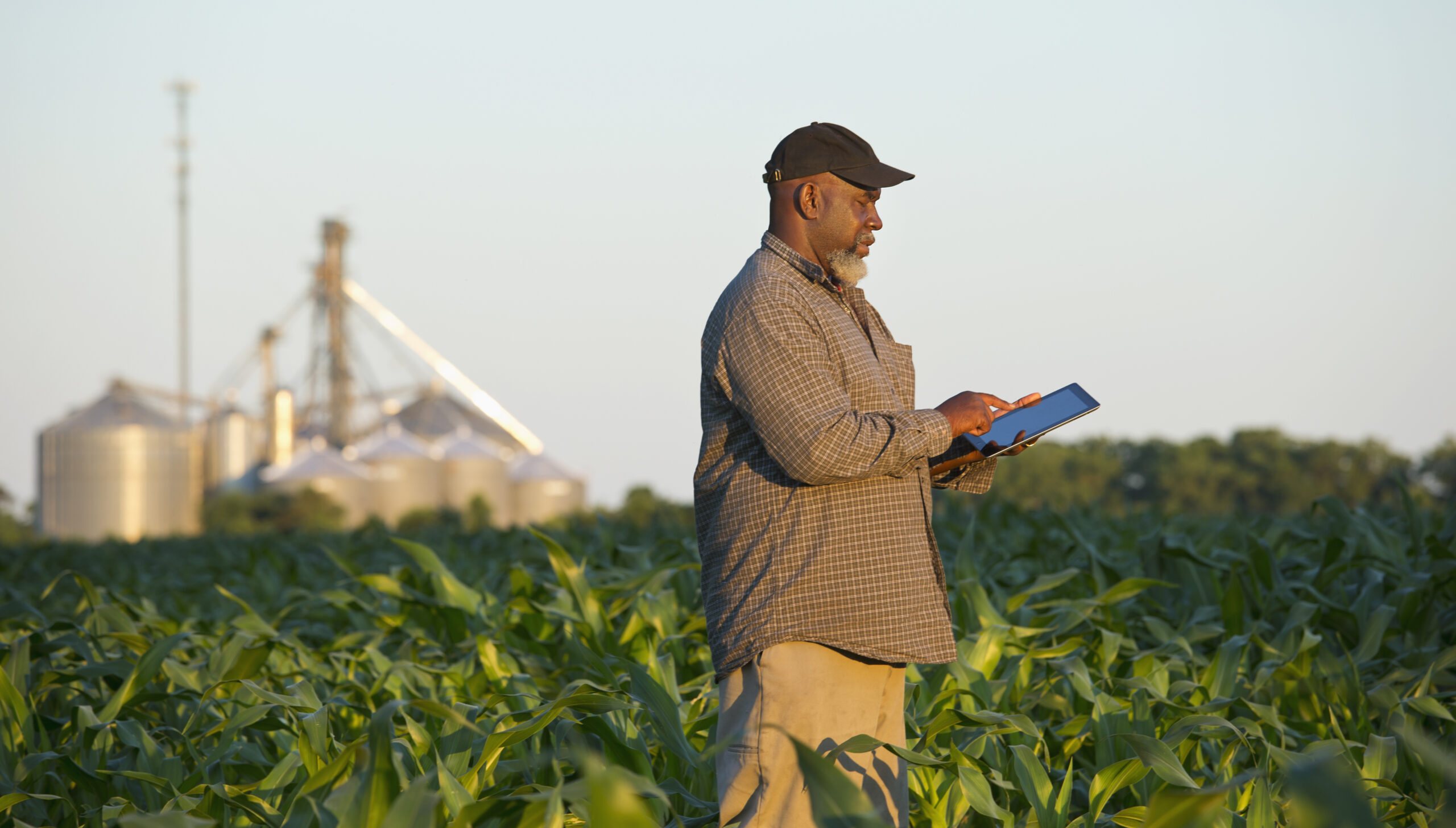
Boyd told theGrio that just days before the Supreme Court’s ruling, he was told by two of bankers that couldn’t extend credit to him as long as the tariffs remained in place.
“I’m hopeful [the ruling] changes that…hopefully that they will start to listen and start to work with Black farmers again,” he said. “I think in the long term, it will help us further down the road.”
The new frontier in the political battle over Trump’s tariffs will be what to do with the more than $200 billion the federal government has collected as a result of the duties.
“Families paid more at the grocery store. Builders paid more to build homes. Small businesses paid more just to keep their doors open. That is the reality, and unfortunately, the Court failed to provide a way for Americans to get their money back,” said U.S. Rep. Maxine Waters, D-Calif., ranking member of the U.S. House Committee on Financial Services.
Prior to Friday’s SCOTUS order, Trump had vowed to issue Americans up to $2,000 dividends from his tariffs.
Mr. Boyd said he would like Congress to step in and redistribute the billions of dollars to farmers for the “lost in revenue and agriculture” as a result of the tariffs.
When asked if the Trump administration will have to “refund” the hundreds of billions of dollars in tariff revenue, President Trump blasted the Supreme Court justices who ruled against him as not “smart people” because their 170-page ruling does not specify what should be done with the money.
“We’ll end up being in court for the next five years,” he said.
Share
What's Your Reaction?
 Like
0
Like
0
 Dislike
0
Dislike
0
 Love
0
Love
0
 Funny
0
Funny
0
 Angry
0
Angry
0
 Sad
0
Sad
0
 Wow
0
Wow
0