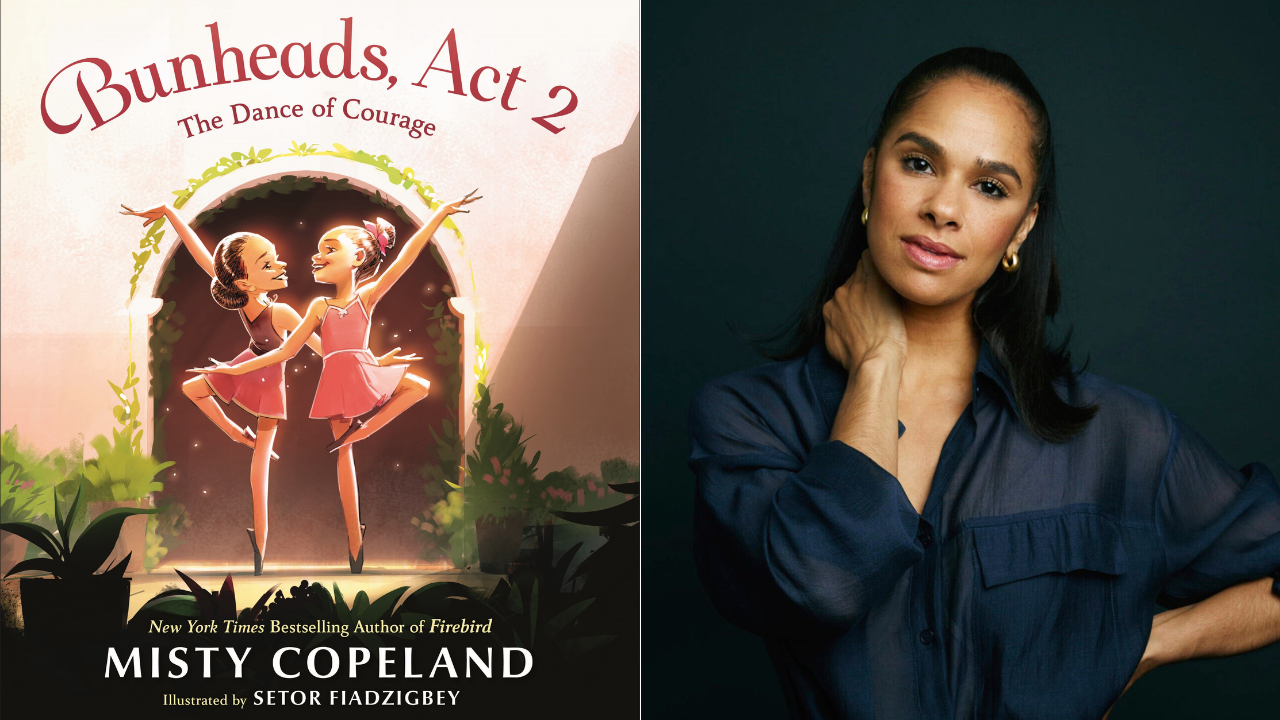
‘Waiting for Dawn’ author Marisa Renee Lee on why you should always reach for hope in times of uncertainty
The “Waiting for Dawn” author tells theGrio that more people should recognize that grief isn’t always about death, so they

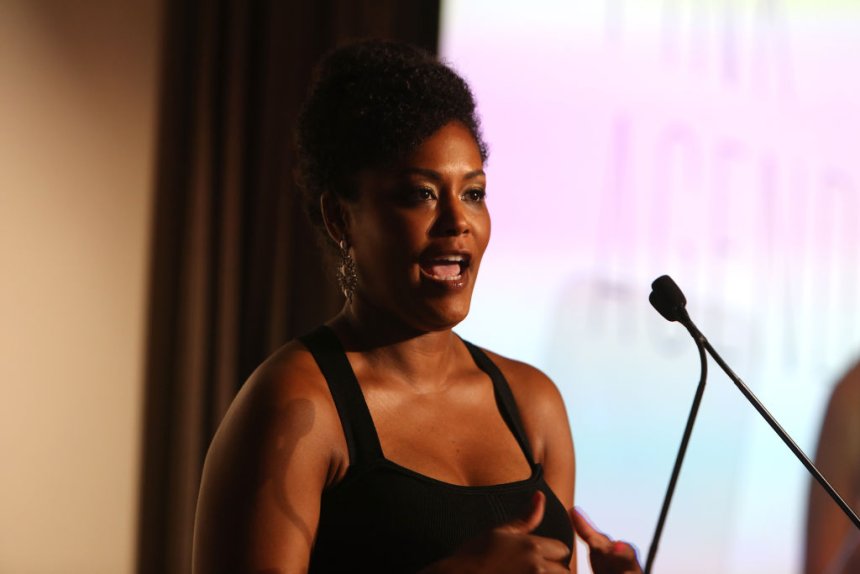
The “Waiting for Dawn” author tells theGrio that more people should recognize that grief isn’t always about death, so they can recognize their pain and begin healing.
Author Marisa Renee Lee wants you to know that your capacity for hope is bigger than you think, but you have to believe that “better is possible.”
Of course, she had to learn this the hard way. Though she had experienced the pain of losing her mother at the age of 25, she arrived at this point of reflection almost 20 years later, when she was diagnosed with Long COVID. What followed was a life-altering experience that caused her to experience grief in a way she never expected to.
In her latest book, “Waiting for Dawn: Living with Uncertainty,” Lee shares strategies for how to navigate the hardships of life not going as planned. But, for someone to begin moving on from what could have been, they have to recognize their grief.
Lee tells theGrio that everyone is experiencing or has experienced grief in some way, even if it’s not over a death. People can grieve the the loss of opportunity, like a job or a career they never were able to pursue, or a life experience they never had, like getting married or having children. She came up with a concept for this broader type of grief when writing her previous book, “Grief is Love: Living with Loss.”
“I defined grief as the repeated experience of learning to live in the midst of a significant loss. And I intentionally made it broader than the loss of a physical person, because I see grief everywhere, unfortunately. In ‘Waiting for Dawn,’ I write about the concept of ‘Gray Grief,’ which is when some sort of change is thrust upon you. It is not something you want. It’s not the positive changes of graduation and new babies and marriage and weddings,” she explained, adding that the “political and economic instability and uncertainty” of our world can contribute to our ambiguous feelings of loss.
The process of healing isn’t meant to take place all at once, as Lee has learned from Long COVID. The disease has forced her to slow down and focus on her health. In figuring out her pathway to forward, she’s leaned on existing examples of how people recover from diseases like addiction to guide her.
“I’ve decided to just prioritize taking it one day at a time, and thinking about healing from this illness the way folks think about healing in the recovery context,” she said. “You know, like alcoholics anonymous and narcotics anonymous and taking it one day at a time, being committed always to making forward progress and knowing that even when I do reach full health again, I’m not the same.”
She added, “I’m not gonna be the same person. I don’t look at the world the same way. I don’t treat my body the same and that that’s okay. I think that’s the way that it’s supposed to be, honestly.”
Recovery shouldn’t be an individual, isolated experience, and it’s important to have community to help. But, not everyone knows how to approach someone experiencing grief. Lee recommends finding ways to lighten the person’s load, whether it’s by walking their dog, or helping them with child care every once in a while. Or sometimes, what they need is a little joy in their life, and you can find small ways to bring it to them.
“This time a year ago I was not in a position where I could have friends show up and visit me because talking for more than 15 minutes made me feel like I was I was choking,” she said. “But people were able to show up and be present by sending me funny memes, texting little like check-in messages.”
One of the things her friend did for her during those harder times even became an inspiration for her book.
“The cover for ‘Waiting for Dawn’ is actually based on a mug that one of my girlfriends sent me while I was navigating Long COVID. And it just has this beautiful watercolor design that looks like sunrise. And receiving that was just so… it made me feel loved and supported and seen. And so think about how you can make someone smile and feel a little bit better about their day-to-day if they’re living with uncertainty right now.”
As simple as it sounds, Lee emphasized that though recovery and healing isn’t a linear step-by-step process, there is a key to being able work through life’s most painful moments—having hope. In the face of uncertainty, this type of faith that life can and will turn around is crucial.
“I want people to look at hope as the very gritty, truly tangible thing that allows you to continue to move forward no matter what you’re facing today,” Lee said. “If you can continue to hold on to a belief that things should be better, that your life is meant to improve in various ways, and then take actions to support that hope, you will find your way.”
She continued, “Just because you’re sitting in this place of horrible pain today, that doesn’t mean that it always has to be that way. Because once you believe that better is possible, you can start to take steps for healing.”
Share
What's Your Reaction?
 Like
0
Like
0
 Dislike
0
Dislike
0
 Love
0
Love
0
 Funny
0
Funny
0
 Angry
0
Angry
0
 Sad
0
Sad
0
 Wow
0
Wow
0