Trump says ‘I don’t think about Americans’ financial situation’ as new inflation rise hits Black households hardest
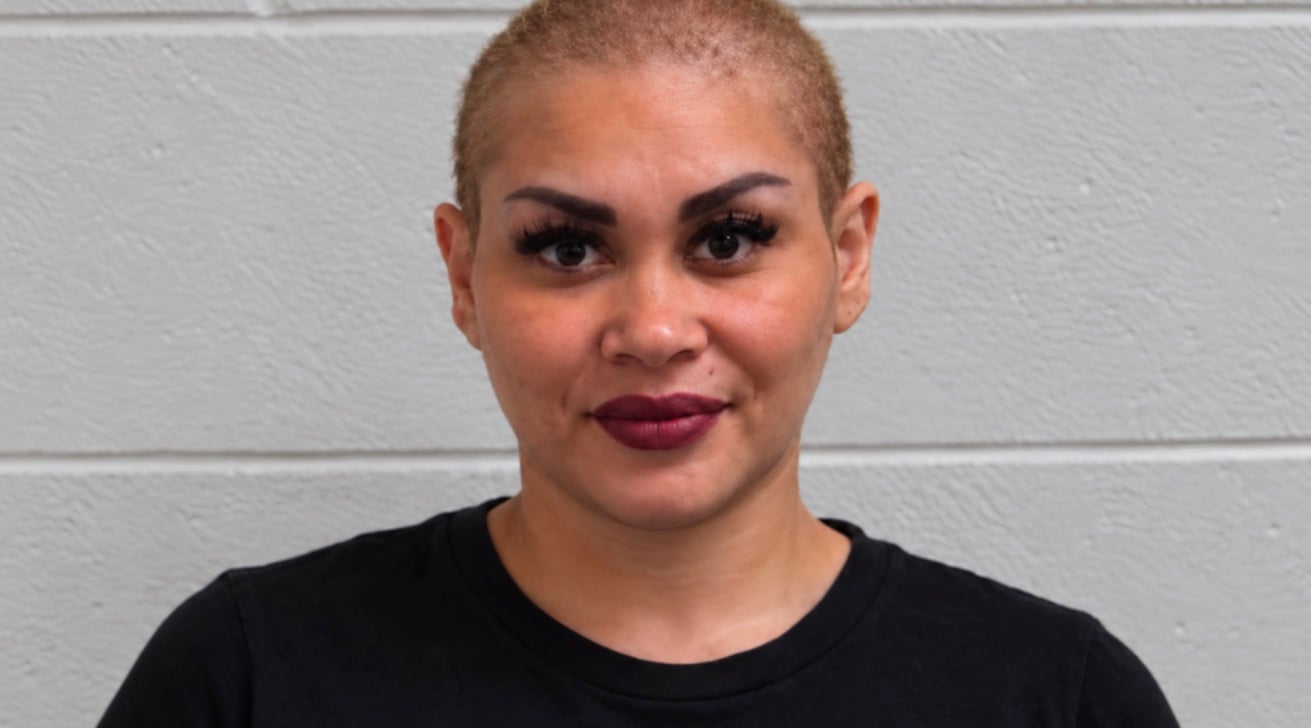
“Every price surge lands on us harder because the ground was never level to begin with,” Nadine Smith, president and

“Every price surge lands on us harder because the ground was never level to begin with,” Nadine Smith, president and CEO of Color Of Change, told theGrio.
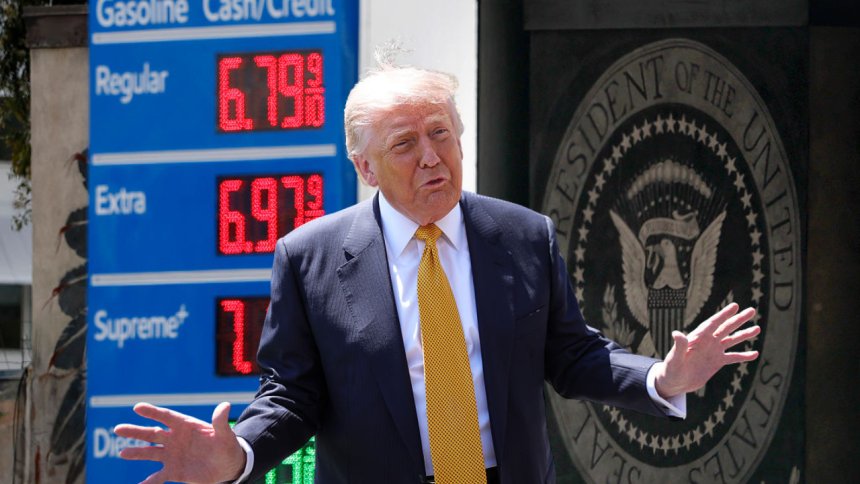
President Donald Trump said he doesn’t “think about” Americans’ financial situation when asked whether he considered the economic impacts of the U.S. war in Iran, after inflation hit its highest level in three years, and as Black American households feel the brunt of the nation’s sustained affordability crisis.
The U.S. Department of Labor released the consumer price index report for April, which rose 3.8% year over year as inflation continues to rise, largely driven by rising gas prices resulting from the U.S. military conflict in the Middle East. In addition to energy prices, shelter and food costs also rose in April.
The latest economic data further threatens the livelihoods of Black Americans, who are disproportionately suffering under Trump’s second term in office. Last week, the latest jobs report revealed that the Black unemployment rate rose to 7.3%, remaining at pandemic levels dating back five years.
When asked about whether he considered the economic pains of Americans right now as he works to secure a deal to end the war in Iran first launched on Feb. 28, Trump told reporters, “Not even a little bit.”
“The only thing that matters when I’m talking about Iran: they can’t have a nuclear weapon,” said the president. “I don’t think about Americans’ financial situation. I don’t think about anybody.”
Democrats quickly seized on Trump’s remarks, which come just months before the midterm elections on Nov. 3, which will determine control of Congress and whether the president can carry out the rest of his agenda without legislative checks and balances. That agenda has come with mass cuts to the federal job workforce, disproportionately hurting Black workers, and attacks on DEI that have spilled over into the private sector. 
“The reckless Republican war of choice in Iran is crushing the financial situation of the American people. Donald Trump just made clear he doesn’t give a damn. At what point have you had enough?” said U.S. Rep. Hakeem Jeffries, the Democratic leader of the U.S. House of Representatives, and, should Democrats win the majority, the body’s first Black House speaker.
Advocacy groups and civil rights leaders called out Trump’s policies for the latest inflation numbers and the outsized impact they’re having on Black consumers, who are facing racial disparities in wage earnings, wealth accumulation, homeownership, and access to affordable health care.
“Working people are past the breaking point. Trump’s war on Iran has gas up 28%. Groceries are rising at the fastest pace in nearly four years. Rent keeps climbing. Wages keep sliding. And while families count pennies at the checkout line, the Trump crime family lines its pockets and funnels money to wealthy backers,” Nadine Smith, president and CEO of Color Of Change, told theGrio.
“Black Americans have spent generations witnessing this country strip wealth from our communities instead of building it alongside us. Every price surge lands on us harder because the ground was never level to begin with.”
NAACP President and CEO Derrick Johnson told theGrio, “Trump’s economy is so deep in the gutter that gas is averaging 4 to 5 bucks a gallon, unemployment continues to climb, and inflation — which he claimed would be dealt with on day one — is again skyrocketing.” He continued, “Life is getting more and more unaffordable every single day, and you bet that all of us will send Donald Trump a clear message in November when we head to the polls.”
Alphonso David, president and CEO of the Global Black Economic Forum, said, “Too many people still talk about global conflicts as if they exist somewhere far away from everyday American life. But when instability overseas drives up fuel costs, people in marginalized communities feel it immediately at the gas pump, in grocery aisles, and in the rising cost of simply getting to work and caring for their families.”
David told theGrio, “The Global Black Economic Forum has long argued that global affairs and international instability directly impact working people, entrepreneurs, and households across the country, especially communities, like the Black community, already carrying the greatest economic pressure with the least financial cushion.”
Share
What's Your Reaction?
 Like
0
Like
0
 Dislike
0
Dislike
0
 Love
0
Love
0
 Funny
0
Funny
0
 Angry
0
Angry
0
 Sad
0
Sad
0
 Wow
0
Wow
0