Trump DOJ targets Illinois city’s reparations program for Black residents
The program provides $25,000 housing-related payments to eligible residents and descendants impacted by discriminatory housing policies. The Trump administration’s Department

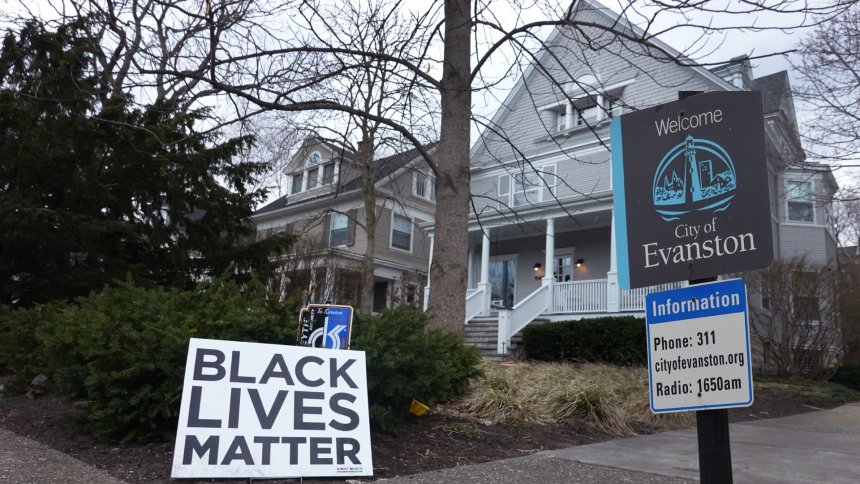
The program provides $25,000 housing-related payments to eligible residents and descendants impacted by discriminatory housing policies.
The Trump administration’s Department of Justice has moved to block Evanston, Illinois’ landmark reparations program, joining an existing lawsuit that argues the program unconstitutionally distributes public benefits based on race.
The challenge, filed Tuesday, marks the first time the federal government has formally intervened against a local reparations program in the United States. In February, theGrio reported on Evanston approving a new round of payments to Black residents as the program continued distributing funds despite a shortfall in cannabis tax revenue. TheGrio also covered how the city originally launched the program in 2021, making Evanston the first municipality in the country to establish and distribute direct reparations payments.
According to the Associated Press, the DOJ’s Civil Rights Division, led by Assistant Attorney General Harmeet Dhillon, contends that the program violates the 14th Amendment’s Equal Protection Clause and the Fair Housing Act.
“There are sound ways for a city to remedy past discrimination or direct resources to its most vulnerable citizens and neighborhoods,” Dhillon said in the filing. “Simply handing out money based on race, however, is not the answer.”
Evanston’s Local Reparations Restorative Housing Program was established in 2019 and began distributing funds in 2021. It provides $25,000 payments to Black residents who were at least 18 years old between 1919 and 1969 — or their direct descendants — who were harmed by the city’s discriminatory housing ordinances and policies. All residents who faced housing discrimination after 1969, regardless of race, also qualify. The program is funded by cannabis tax revenue, and the city has committed $20 million over time to the effort.
The challenge joins a class-action lawsuit originally filed in May 2024 by Judicial Watch, a conservative legal group, on behalf of six non-Black descendants of Evanston residents who argued they were unconstitutionally excluded from the program. In response, Evanston Mayor Daniel Biss said the city “stands behind our first-in-the-nation reparations program” and expressed confidence in its constitutionality. Supporters of the program say the DOJ’s intervention, if successful, could shut down similar reparations initiatives being developed in cities and states across the country, including Chicago, California, New York, and Maryland.
Share
What's Your Reaction?
 Like
0
Like
0
 Dislike
0
Dislike
0
 Love
0
Love
0
 Funny
0
Funny
0
 Angry
0
Angry
0
 Sad
0
Sad
0
 Wow
0
Wow
0