Transgender Day of Remembrance: Why November 20 Matters More Than Ever in 2025
Every year on Nov. 20, communities read names, light candles, and refuse to let hate erase trans history. That’s where Transgender Day of Remembrance (TDOR) comes in. According to GLAAD, TDOR began in 1999 when writer and advocate Gwendolyn Ann Smith organized a vigil after the 1998 murder of Rita Hester in Boston. The first [...] Read More... from Transgender Day of Remembrance: Why November 20 Matters More Than Ever in 2025 The post Transgender Day of Remembrance: Why November 20 Matters More Than Ever in 2025 appeared first on LBS.

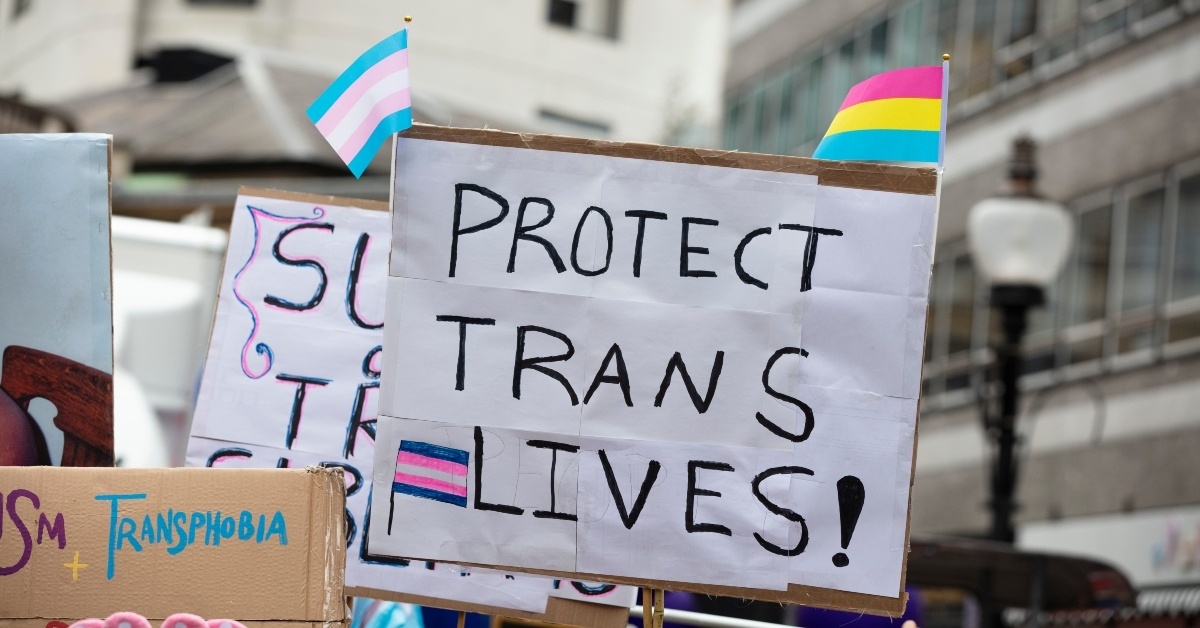

Every year on Nov. 20, communities read names, light candles, and refuse to let hate erase trans history. That’s where Transgender Day of Remembrance (TDOR) comes in. According to GLAAD, TDOR began in 1999 when writer and advocate Gwendolyn Ann Smith organized a vigil after the 1998 murder of Rita Hester in Boston. The first observances took place in San Francisco and Boston, and the movement has since grown worldwide. The date now closes Transgender Awareness Week and centers grief, history, and action. Here’s how people honor TDOR and how allies can get involved.
What Is Transgender Day of Remembrance?
Transgender Day of Remembrance (TDOR) grew from a belief that dead trans folks deserve to be named and remembered. Smith launched the “Remembering Our Dead” project to document killings the press ignored or misreported. Annual vigils followed, creating somber roll calls, community space, and a shared commitment to refuse silence.
“Through that visibility, we’ve gained acceptance, we’ve gained understanding, we’ve gained rights. There’s a lot of things that, back before much of that had happened, would be at best pipe dreams,” Smith told Vogue. “At the same time, our visibility has made us an incredibly large target. The right wing and others have been able to use us as the other, the danger, the threat.”
Organizations continue to put in real work to support trans people. Advocates for Trans Equality (A4TE) publishes the U.S. Transgender Survey, runs legal-identity tools like the ID Documents Center, and coordinates policy advocacy that moves the needle in statehouses and city halls. The American Civil Liberties Union (ACLU) fights in the courts, litigating state bans and challenging the 2025 executive order.
However, allyship cannot fall solely on the LGBTQIA+ community. Allies can donate to trans-led organizations and mutual aid funds. They can challenge misinformation, contact legislators, and oppose bills that strip away health care, school protections, or basic public access. Leaders in newsrooms, classrooms, clinics, and athletic spaces can build inclusion into policies and training. GLAAD, the Human Rights Campaign (HRC), and other orgs have all published practical ally guides to get you started.
The Reality for Trans People in 2025

The numbers show a community that’s large, diverse, and still under attack. UCLA’s Williams Institute estimates that about 2.8 million people in the United States are transgender — more than 1% of the country. This marks a sharp increase from older estimates of roughly 1.6 million. Violence and discrimination remain widespread. The HRC has tracked dozens of trans and gender-expansive people killed each year, with Black trans women facing the greatest risk. Firearms are involved in many of those deaths.
The latest U.S. Transgender Survey, released by A4TE, shows severe health and mental-health disparities. Forty-four percent of respondents met the criteria for serious psychological distress in the prior month, compared with fewer than 4% of the general population. Lifetime suicidality also remained alarmingly high. Researchers link these outcomes to stigma, discrimination, and hostile policy environments. Access to affirming care and family support, however, strongly correlate with better mental-health results and overall well-being.
What’s one thing you think allies can do year-round to support trans communities? Comment below!
The post Transgender Day of Remembrance: Why November 20 Matters More Than Ever in 2025 appeared first on LBS.
Share
What's Your Reaction?
 Like
0
Like
0
 Dislike
0
Dislike
0
 Love
0
Love
0
 Funny
0
Funny
0
 Angry
0
Angry
0
 Sad
0
Sad
0
 Wow
0
Wow
0