Tee Grizzley plans to give back to Detroit with multi-million dollar housing development
The rapper, born on the city’s west side, looks to add to a revitalized area of the city which just

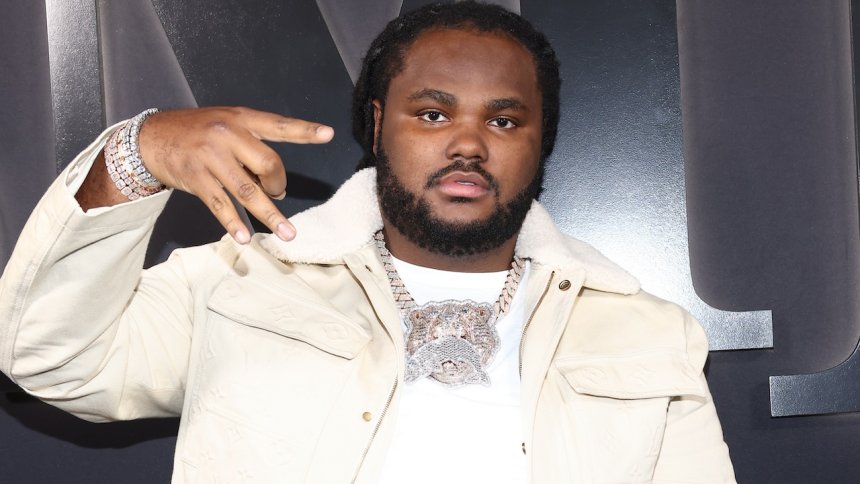
The rapper, born on the city’s west side, looks to add to a revitalized area of the city which just added a mixed-use development with apartments, townhomes, carriage homes, condos and more.
Consider Tee Grizzley among the latest to invest back into their communities.
The rapper announced he would invest in a $12 million multi-use housing development in Detroit‘s Brush Park neighborhood. The development, which will include 37 apartments, will total about 30,000 square feet and designate 20 percent of the homes as affordable housing.
The proposed development, if approved, could see construction beginning this summer.
“Detroit raised me — I’m a west side kid, and I’m passionate about bringing mixed-income housing to my city,” Tee Grizzley said in a statement. “The 205 Watson project is about building safe, quality housing for everybody; that respects longtime residents and welcomes new neighbors — building opportunity without pushing people out.”
According to the Detroit News, the multi-use development would be called Wallace Estates and was the winning bid in a City of Detroit request for proposals to use the site at 205 Watson St.
“It’s an infill site that’s bringing high-quality housing, both for affordable and market-rate renters,” Nevan Shokar, principal of Shokar Group and the day-to-day development lead, said. “And I think it complements the neighborhood nicely with the brick aesthetic, as well as the brass inlays in the windows.”
Brush Park has seen massive revitalization in recent years, capped by the completion of City Modern, a mixed-use development featuring apartments, townhomes, carriage homes, condominiums, common spaces, and 31,000 square feet of retail space.
Regarding the units in the development, Shokar believes the majority will be studio and one-bedroom apartments.
“The highest demand that you have within this neighborhood and across the city as a whole, is to produce more studio and one-bedroom units,” Shokar said. “The two-bedroom units sometimes and larger sometimes have a hard time filling up, leasing up within buildings, and that’s why you typically see units generally smaller in size.”
Share
What's Your Reaction?
 Like
0
Like
0
 Dislike
0
Dislike
0
 Love
0
Love
0
 Funny
0
Funny
0
 Angry
0
Angry
0
 Sad
0
Sad
0
 Wow
0
Wow
0