Preeclampsia continues to disproportionately impact Black women — new grants aim to change that
The Preeclampsia Foundation and Preeclampsia Foundation Canada announce four grants specifically targeting preeclampsia in Black women. Black and Indigenous women

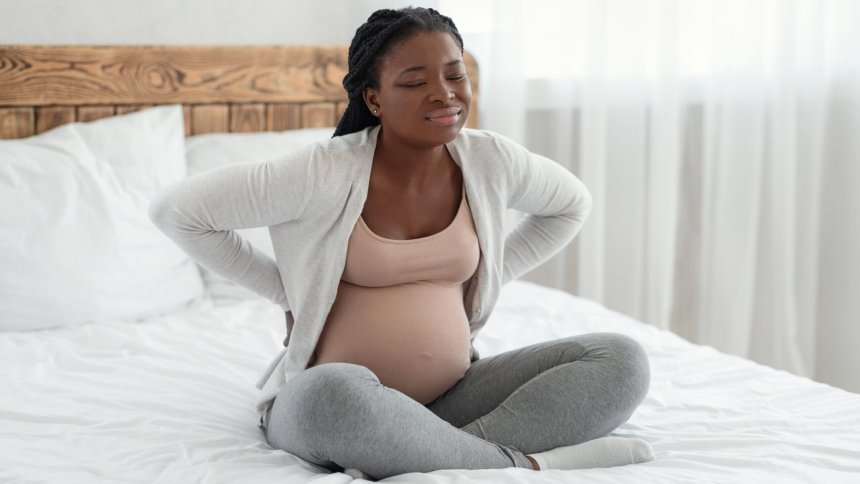
The Preeclampsia Foundation and Preeclampsia Foundation Canada announce four grants specifically targeting preeclampsia in Black women.
Black and Indigenous women in North America continue to develop pregnancy complications like preeclampsia at disproportionate rates—but a newly announced set of grants could help finally change that reality.
On March 31, two weeks before Black Maternal Health Week officially kicked off, the Preeclampsia Foundation and Preeclampsia Foundation Canada announced a partnership to establish four grants specifically targeting preeclampsia in Black and Indigenous women.
“Black and Indigenous women in North America are more likely to develop hypertensive disorders of pregnancy and to have adverse outcomes,” Eleni Tsigas, chief executive officer of the Preeclampsia Foundation, said in a release. “By focusing this year’s funding on research that includes and centers these highly affected populations, we hope to add to the body of research to better understand those connections, increase representation in our patient registry, and ultimately improve their outcomes.”
While three of the four grants prioritize health equity, one will focus specifically on HELLP syndrome, a rare but severe form of preeclampsia.
In the United States, the Preeclampsia Foundation will award two Scientific Research Vision Grants, each worth up to $20,000, to study preeclampsia and related hypertensive disorders of pregnancy, with a particular emphasis on health inequities.
In Canada, Preeclampsia Foundation Canada will award two additional Vision Grants. The first, the Maya B. Dash Vision Grant, will provide up to $20,000 CAD to support research on preeclampsia and health inequities affecting Black Canadians. Funded by the Doane Grant Thornton Foundation, this award is open exclusively to researchers based in Canada. The second Canadian award, focused on HELLP syndrome, will provide up to $25,000 CAD and is open to all qualified researchers. It is supported by the Cara HELLPs Research Fund, created in honor of Cara Kernohan, who died at 29 after developing HELLP syndrome at 35 weeks of pregnancy.
Preeclampsia is a serious pregnancy complication that typically develops after 20 weeks and is diagnosed by having high blood pressure, high levels of protein in the urine, and signs of organ damage, according to the Mayo Clinic. It affects roughly 5 percent to 8 percent of pregnancies worldwide, per the Cleveland Clinic, but those numbers rise significantly for Black and Indigenous women. Data from the Centers for Disease Control and Prevention shows Black women are about 60% more likely to develop the condition than white women. Research from Johns Hopkins further found that Black women born in the United States face even higher rates, pointing to factors beyond race alone.
The condition itself has also been increasing for nearly two decades, with rates doubling since 2007, according to an NPR report. Treatment presently consists of either delivering the baby or managing and monitoring symptoms until it is safe to deliver the baby.
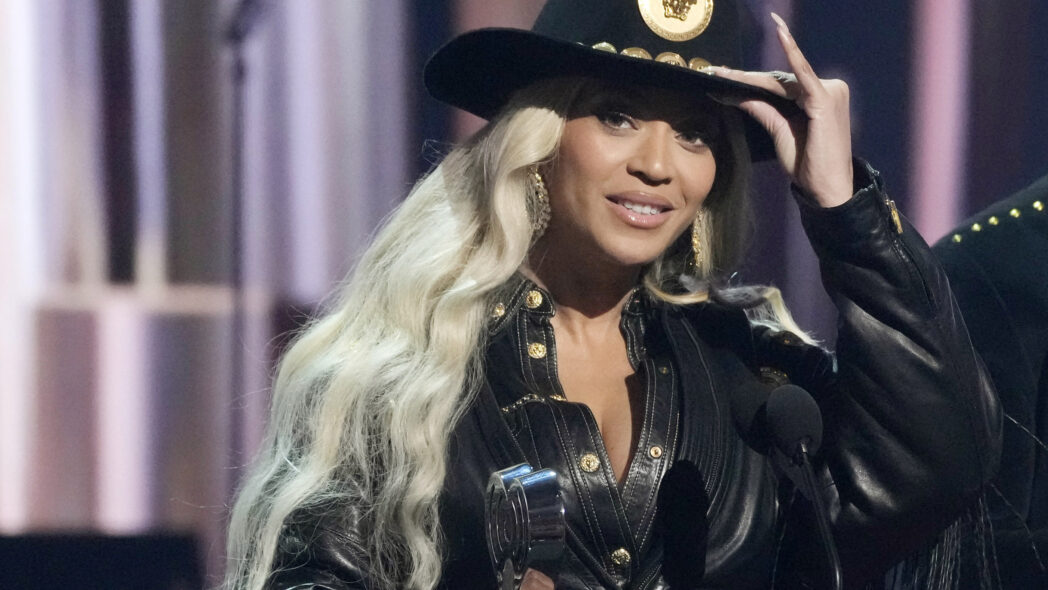
From Beyoncé to Allyson Felix to Meghan Markle, several high-profile women have shared their experiences with preeclampsia in recent years. Beyoncé revealed she developed preeclampsia during her 2017 pregnancy with twins Rumi and Sir, a complication that contributed to her emergency C-section. Olympic gold medalist Allyson Felix experienced severe preeclampsia in 2018 while pregnant with her daughter Camryn, leading to an emergency delivery at 32 weeks. “Real Housewives of Atlanta” alum Kenya Moore documented her battle with preeclampsia during her 2018 pregnancy with her daughter, Brooklyn, ultimately delivering early due to complications. More recently, Meghan Markle shared that she experienced a rare case of postpartum preeclampsia following the birth of one of her children.
In more tragic cases, Snoop Dogg’s daughter, Cori Broadus, lost her baby in January after delivering her prematurely due to complications related to preeclampsia. Olympic gold medalist Tori Bowie also died in 2023 at eight months pregnant from complications linked to hypertensive disorders of pregnancy, including eclampsia. Her daughter was stillborn, and their deaths, which came suddenly and largely out of public view, shocked many but remind of just how fatal this condition can become when not caught and properly monitored in time.
Researchers are still working to fully understand why the condition disproportionately affects Black women. What is clear is that high blood pressure sits at the center of many cardiovascular issues, including heart attack and stroke. Black women — pregnant or not — are more likely to experience hypertension than other groups, according to the American Heart Association. Those underlying risks are a key factor in the broader Black maternal health crisis.
The Preeclampsia Foundation says the grants are designed to provide initial funding for “novel, innovative research led by promising young investigators” to begin answering why the disorder is more prevalent in some populations than others. Only postdoctoral researchers, clinical fellows, and early-stage investigators are eligible to apply.
Applications are due May 27, 2026, with award notifications expected in September. More information is available at preeclampsia.org/research-funding for U.S. applicants and preeclampsiacanada.ca for those in Canada.
Share
What's Your Reaction?
 Like
0
Like
0
 Dislike
0
Dislike
0
 Love
0
Love
0
 Funny
0
Funny
0
 Angry
0
Angry
0
 Sad
0
Sad
0
 Wow
0
Wow
0