Morgan State nursing graduates hit 100% NCLEX pass rate right when America needs Black nurses most
Amid growing nursing shortage and attacks on DEI, Morgan State’s perfect NCLEX pass rate is more than just a moment

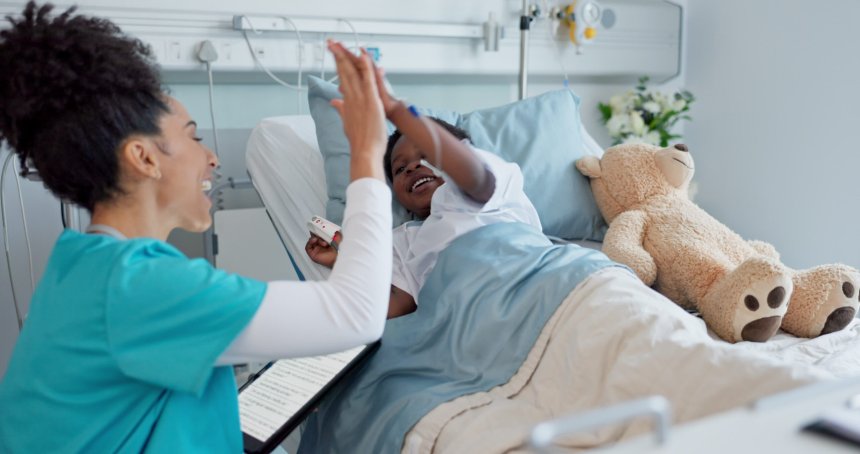
Amid growing nursing shortage and attacks on DEI, Morgan State’s perfect NCLEX pass rate is more than just a moment of Black excellence.
This week, Morgan State University’s Department of Nursing is celebrating a level of Black excellence that can save lives. Recently, the Maryland Board of Nursing’s 2026 fiscal report confirmed that the HBCU achieved a 100% first-time NCLEX-RN licensure examination pass rate among its 2025 Bachelor of Science in Nursing (BSN) graduates. The 2025-2026 NCLEX-RN Program Report highlighted that every Morgan candidate who took the exam in the current academic year passed on their first try, outshining both state and national averages of approximately 87% and 86%, respectively.
“This moment represents both validation and responsibility,” Dr. Maija Anderson, DNP, chair of the Department of Nursing at Morgan, said in a statement. “Our faculty and students have worked with focus and purpose to reach this level of performance, but we view it as a foundation—not a finish line. The goal is not only to sustain this success, but to build upon it in ways that further elevate our graduates and the profession.”
This successful class of Black licensed nurses comes at a time when communities need them more than ever. Research projects that in 2026, the country will see an 8% decrease in registered nurses, creating a 263,870 RN gap. From Maryland to Massachusetts to Kansas, more and more states are reporting nurse shortages linked to a number of factors, including burnout, an aging workforce, increased stress causing low satisfaction rates, and critical gaps in education/training programs, according to the American Association of Colleges of Nursing. These facts are compounded by a growing need and desire for diversity, particularly within healthcare. At a time when more and more communities are aware of the ways racial biases can impact the level of care they receive at hospitals and doctors’ offices, patients are looking for clinicians and healthcare providers who understand their cultural experiences. So much so that patients have turned to platforms like “Find A Black Doctor” to try to limit the risk of medical discrimination.
“Our graduates leave Morgan not only with the academic and clinical preparation required for practice, but with a clear understanding of the communities they will serve—bringing cultural awareness and patient-centered perspective to care that reflects the realities of diverse populations,” Dr. Anderson explained.
That push for representation, however, is not without opposition. Organizations like Do No Harm have filed lawsuits against the founders of “Find A Black Doctor,” arguing the platform discriminates against non-Black physicians.
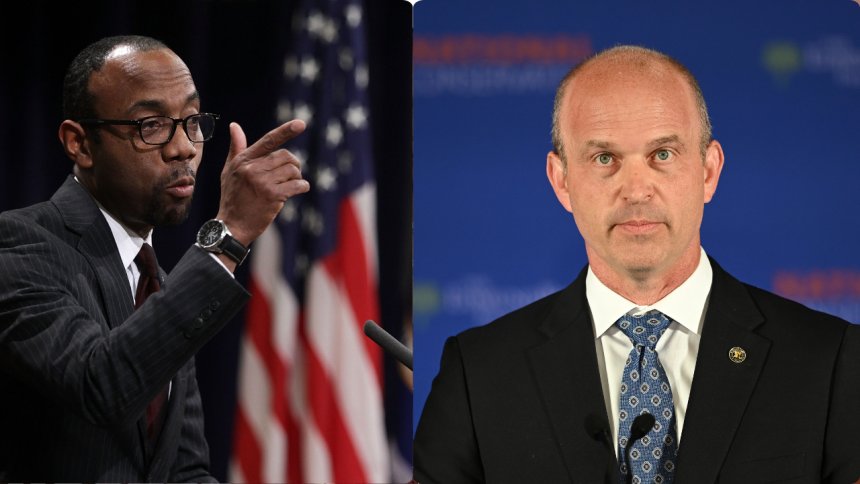
“Racial discrimination in medicine is unlawful and undermines trust between patients and providers,” said Kurt Miceli, MD, Chief Medical Officer at Do No Harm. “The idea that patients have better outcomes when treated by doctors of the same race — known as racial concordance — is a pernicious and debunked myth that only sows distrust in the doctor-patient relationship.”
Yet research on patient-provider concordance remains active and contested. Studies have found that racial and cultural concordance can improve patient communication, trust, and, in some cases, outcomes, particularly among Black patients who have historically faced disparities in pain management and diagnosis.
At a time when programs centered on diversity and equity face increasing scrutiny, Morgan State’s 100% NCLEX pass rate offers a powerful counterpoint to the national debate. This HBCU is not lowering standards; it is exceeding them. And as the country confronts a deepening nursing shortage alongside persistent racial disparities in healthcare, Morgan’s graduates are entering the profession at exactly the moment they are needed most.
Regardless of the battles that play out in courtrooms and legislatures over the future of DEI in medicine, Morgan State has already done something no lawsuit can undo: put more skilled, culturally competent Black nurses into the world, and for the patients waiting on the other side of that, that may make all the difference.
Share
What's Your Reaction?
 Like
0
Like
0
 Dislike
0
Dislike
0
 Love
0
Love
0
 Funny
0
Funny
0
 Angry
0
Angry
0
 Sad
0
Sad
0
 Wow
0
Wow
0