Md. Gov. Wes Moore unveils marker honoring Black boys buried at Maryland reform school
State leaders say the memorial is part of a broader effort to uncover the identities and stories of more than

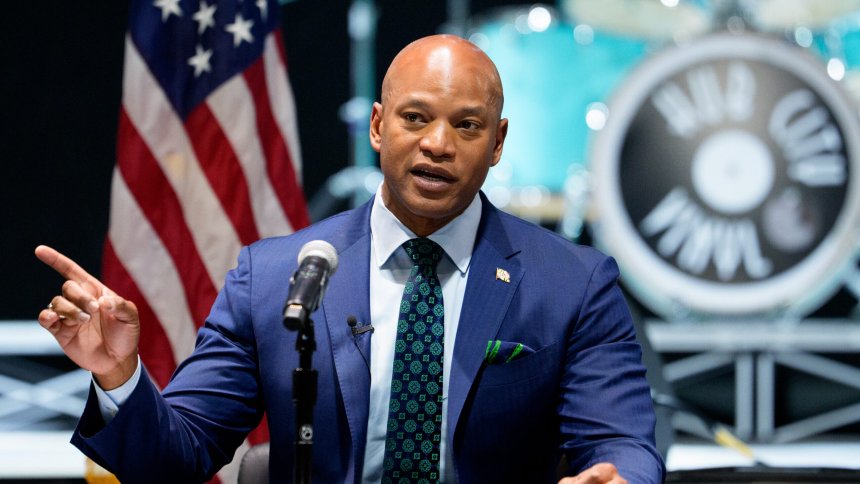
State leaders say the memorial is part of a broader effort to uncover the identities and stories of more than 230 Black boys believed buried near the site.
Maryland Gov. Wes Moore on Wednesday unveiled a historical marker commemorating the House of Reformation, a former segregated juvenile detention facility tied to one of the darkest chapters in the state’s racial history, according to Washington, D.C.’s WUSA9.
The marker honors the memory of Black boys who were sent to the House of Reformation and Instruction for Colored Children, a state institution that operated in the unincorporated Prince George’s County town of Cheltenham, Md., during the late 19th and early 20th centuries.
Historians and advocates say many children at the facility endured abuse, forced labor, neglect and harsh living conditions. Investigations in recent years also uncovered evidence of unmarked graves connected to the site. The unveiling comes amid growing efforts across Maryland to publicly acknowledge and document the state’s history of racial injustice.
The House of Reformation has increasingly become a symbol of that painful legacy, especially after researchers and descendants pushed for greater transparency surrounding the deaths of boys buried near the former institution.
Moore, Maryland’s first Black governor, has frequently spoken about confronting difficult parts of the state’s past while promoting historical education and preservation. During the ceremony, the governor emphasized the importance of remembrance and accountability, describing the marker as a step toward ensuring the victims are not forgotten.
The House of Reformation was created as a segregated institution for Black children during the Jim Crow era. Many of the boys sent there were not convicted of violent crimes, according to historical records, but were instead institutionalized for minor offenses or social infractions. Researchers believe more than 200 children may have died while in custody at the facility.
Maryland lawmakers have also proposed legislation aimed at further investigating the site and supporting memorialization efforts. Advocates say the new marker is an important public acknowledgment of a long-overlooked tragedy.
The unveiling reflects a broader national conversation about preserving Black history and recognizing the experiences of communities historically excluded from official narratives.
Share
What's Your Reaction?
 Like
0
Like
0
 Dislike
0
Dislike
0
 Love
0
Love
0
 Funny
0
Funny
0
 Angry
0
Angry
0
 Sad
0
Sad
0
 Wow
0
Wow
0