Maxine Waters slams ‘racist’ Trump over stalled housing bill that aids Black Americans
The longtime California congresswoman sits down with theGrio to discuss the hard-won 21st Century ROAD to Housing Act and how

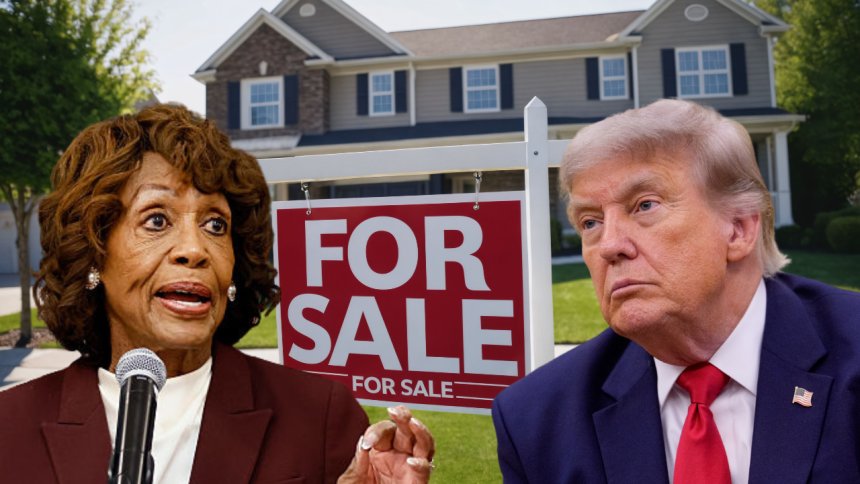
The longtime California congresswoman sits down with theGrio to discuss the hard-won 21st Century ROAD to Housing Act and how it unlocks opportunity for Black Americans.
U.S. Rep. Maxine Waters (D-Calif.) has been advocating for and legislating on affordable housing throughout her decades-long political career. After helping secure the most comprehensive housing legislation in a generation, the 87-year-old congresswoman was excited to celebrate the signing of the 21st Century ROAD to Housing Act, a hard-won bipartisan bill that unlocks pathways to homeownership and lower rents—especially for Black Americans, who face disproportionate housing barriers.
“The cost of housing continues to rise,” Waters told theGrio during a sit-down interview in her congressional office on Capitol Hill. “Many people are having a very difficult time paying the rent and certainly can’t put down 20% to purchase a home.”
For more than a year, Waters and other lawmakers like U.S. Senators Elizabeth Warren (D-Mass.) and Tim Scott (R-S.C.), and U.S. Rep. Ayanna Pressley (D-Mass.), worked on the ROAD to Housing Act. The legislation allows the federal government to better regulate banks and private equity firms that control housing stock and prices, and addresses racial equity concerns, such as racial bias in home appraisals.
Despite the extraordinary achievement of passing such a comprehensive housing bill with the backing of both Democrats and Republicans, the legislation has yet to become law.
Waters calls out Trump’s ‘racism’ and halting of housing bill
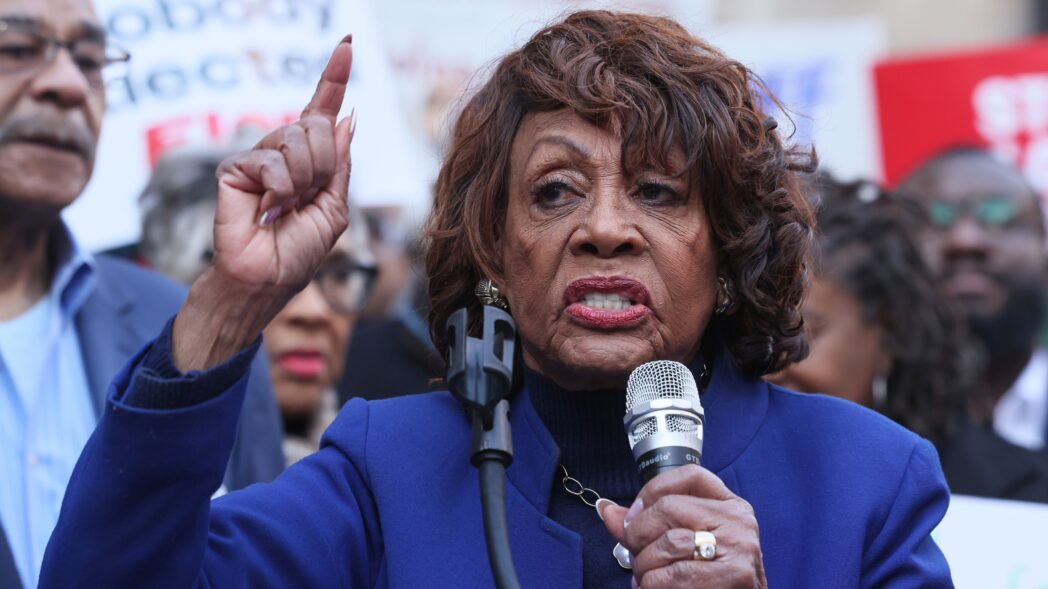
Just hours before President Donald Trump was scheduled to sign the bill on Capitol Hill on Wednesday, he reversed course. He instead demanded that Congress pass his signature SAVE America Act ahead of the November midterm elections. The SAVE Act would require all voters to present proper ID and prove their citizenship in order to register and vote. The legislation, which does not have the necessary votes in the Republican-controlled Congress, has been slammed as a voter suppression bill that would make it harder to vote, most especially for Black voters, voters of color, women, young voters, and those with disabilities.
Congresswoman Waters told theGrio she was “disappointed” and “angry” when she discovered that Trump had pulled the plug on the housing bill she and her colleagues had worked so hard to pass. However, she wasn’t necessarily surprised, given the president’s unpredictable nature.
“This was typical of the president in the way that he has been doing business as a president,” said the California lawmaker, who is the ranking member and former chairwoman of the House Financial Services Committee. “He cannot be depended on. He changes his mind often, and he feels that he’s not responsible for his actions, that he can do whatever he wants to do.”
Waters said Trump’s halting of a bill that creates more opportunities for Black Americans to purchase a home or afford rent in exchange for a bill that would further restrict their ability to vote is a “highlight of his racism.”
“For Black people, he has defined himself. He has shown that he cares less about us and our history, and he has been racist, and he’s demonstrated that racism over and over again,” the congresswoman told theGrio, pointing to Trump’s push to redraw majority-Black districts to aid Republicans in November’s election, diluting the power of Black voters.
“He’s very dangerous, and he does not mind. As a matter of fact, he intends to get rid of the Black representation in this country,” she added.
Given his record, Waters said it is perhaps not a surprise that he would refuse to sign the 21st Century ROAD to Housing Act.
“He’s demonstrated a lack of concern,” said Waters. “About whether or not people have a decent place to live, or whether or not they can buy a home, whether or not they can deal with the institutional investors who buy up homes and literally increase the rents and do not invest in them and repair them and will evict them if they cannot pay the rent.”
What’s in the 21st Century ROAD to Housing Act?
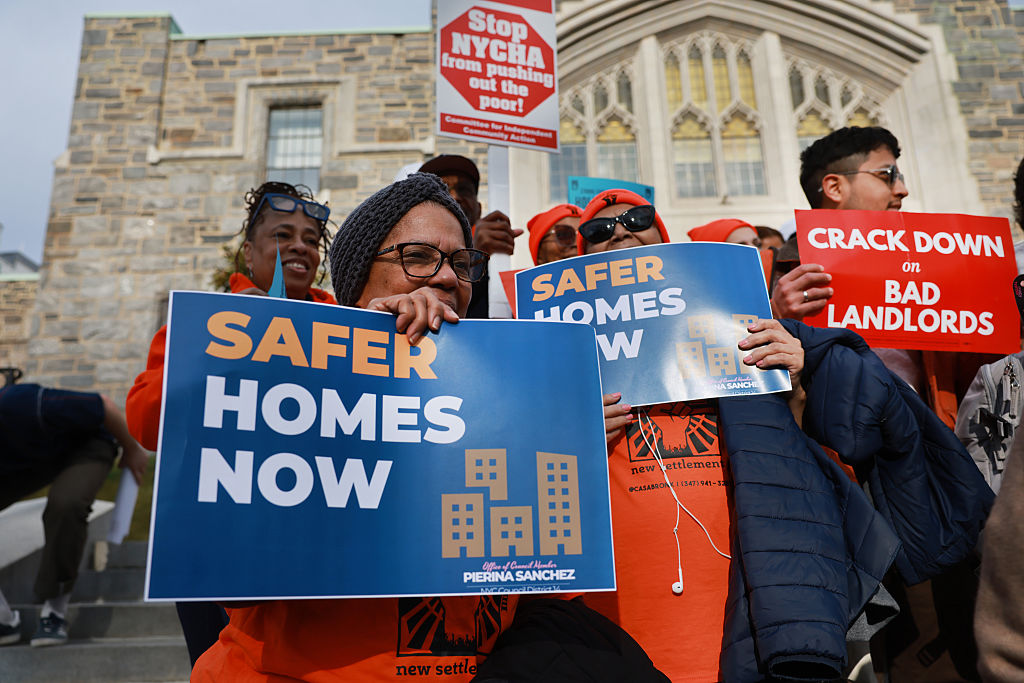
The housing legislation contains many provisions, most notably those aimed at reducing the average cost of a home. For example, the bill allows the U.S. Department of Housing and Urban Development (HUD) to establish a pilot program to expand access to Federal Housing Administration (FHA)-backed mortgages with loan amounts under $100,000. It also updates maximum loan limits and aims to increase the number of homes built in the U.S. to drive down costs by reducing demand.
“The banking community does not like low-cost homes. They like homes that cost a lot more money because they make a lot more money in interest rates,” explained Waters, who noted that the average age for homebuyers today is 40 years old. “[The bill] would get the banks and financial institutions to fund these lower-cost properties and mortgages that people can afford.”
Congresswoman Waters said that while many Americans, particularly young people, “may not have a lot of money,” there should be an “opportunity for people to purchase a home based on what they can afford.”
The ROAD to Housing Act also cracks down on the private sector to reduce rent costs, such as extending the cap for the Rental Assistance Demonstration (RAD) program and restricting institutional investors from buying single-family homes.
Given the racial bias in appraisal issues that have seen the properties of Black homeowners be devaluated for no reason other than the color of their skin, the housing bill makes reforms to appraisal licensing and training. It enhances standards for FHA-approved appraisers, adds flexibility for trainee appraisers, and authorizes grants to support appraisal workforce development.
Given how “unusual” it is for Democrats and Republicans to come together to support such comprehensive legislation, Waters said it reflects just how much of a crisis the housing affordability issue is.
A call for Trump to act
Despite Trump digging in his heels and refusing to sign the comprehensive housing legislation, Waters believes the president will eventually have no choice, especially given buy-in from both parties and other stakeholders, including the building and real estate industries.
“The president is going to be up against the kind of organizing that will go on among all of these entities and push back. In the final analysis, the people of this country are gonna force this president to have to sign this housing bill,” she told theGrio. “Some of us who have worked on it for so long and so hard are convinced that he may try and hold this bill up forever.”
Waters added, “We believe that the organizing, the protests, and the pushback that’s going to take place from all of these entities is gonna put him in a position where he’s not gonna be able to either veto this bill or to basically let it drop.”
Share
What's Your Reaction?
 Like
0
Like
0
 Dislike
0
Dislike
0
 Love
0
Love
0
 Funny
0
Funny
0
 Angry
0
Angry
0
 Sad
0
Sad
0
 Wow
0
Wow
0