Jay-Z is releasing an exclusive vinyl, Jordyn Woods shopping down the aisles? What is going on with the Target boycott?
Sales are growing at Target, and the Black high-profile celebrity collaborations and promotions keep coming. More than a year after

Sales are growing at Target, and the Black high-profile celebrity collaborations and promotions keep coming.
More than a year after the Target boycott first kicked off, the retailer’s sales are up.
According to the big box chain’s latest earnings report released in May, first-quarter net sales grew 6.7% over last year, while comparable traffic rose 4.4% —“well above expectations.”
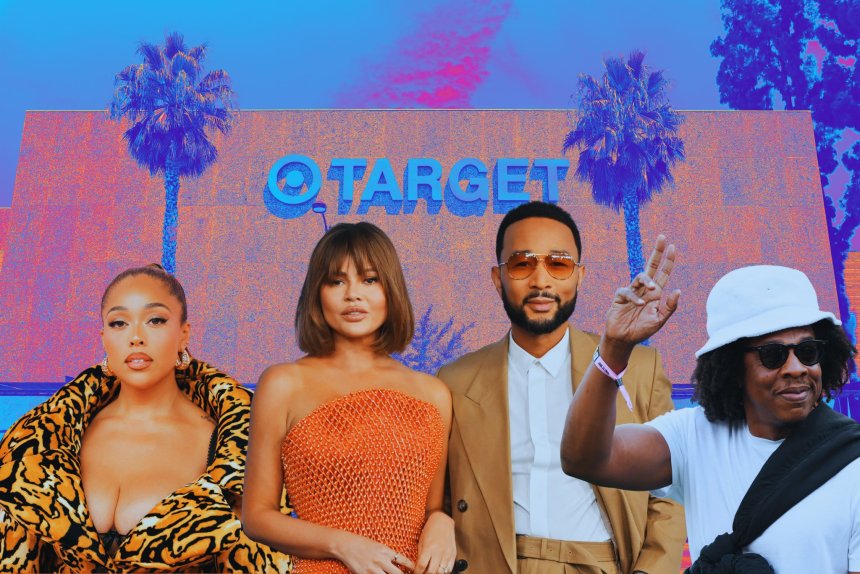
The numbers arrive as Jay-Z is preparing to release a Target-exclusive vinyl on Friday, and Jordyn Woods, John Legend, Chrissy Teigen, Lewis Hamilton, and others face backlash over recent partnerships with the retailer, adding to a growing list of Black celebrities, influencers, and institutions criticized for working with the company since its DEI rollback. While Target’s report offers no indication of who is shopping or whether it’s earned back trust among Black consumers, its gains are revealing about where the boycott stands now — and why Black people affiliated with the company continue to absorb so much of the public anger.
Target’s growth was not limited to one corner of its business. Store and digital traffic both rose during the quarter, with online sales up 8.9% and same-day delivery growing more than 27%. The company also reported gains across each of its six core merchandise categories. The retailer is moving full speed ahead with plans to remake its food and beverage offerings and launch Target Beauty Studio in more than 600 stores this fall, even as questions around its relationship with Black consumers have not gone away.
“I’m not going to lie, I feel a deep level of BETRAYAL by Jay-Z completely undermining the Black agenda and doing this deal with #Target,” Quentin Latham wrote in a post on Threads.
That relationship first became fractured in January 2025, when Target announced it would roll back several of its diversity, equity, and inclusion initiatives, igniting intense backlash and the launch of a widespread boycott that has followed the retailer ever since. By the back-to-school season last fall, sales at the retailer remained down.
While Atlanta pastor Jamal Bryant, who launched a separate Target Fast during Lent last year, announced this spring that his yearlong fast had ended, creating confusion around who even started the boycott and about whether it was over, the broader boycott remains ongoing, to be clear.
Since it began, Black figures with ties to Target have repeatedly found themselves in the crosshairs, either by directly speaking up about their involvement with the brand or indirectly, like when the Essence Festival of Culture faced criticism over its Target sponsorship last year—creators Kristy Sarah and Kai Cenat have also drawn backlash for promoting the company amid the boycott.
Woods is facing backlash after appearing in Target’s latest “Curated By” series, alongside her fiancé, New York Knicks star Karl-Anthony Towns, in which the pair feature their favorite beauty products in an edit available to shop.
@jordynwoods IG Reel / TikToWhat beauty products are in my lucky orange bag? I hit up Target SoHo to check out my Beauty Edit, where I’ve curated some of my favorite beauty products, so check it out now in store and online! #TargetSoHo #TargetPartner ♬ original sound – HEIR JORDYN
“Target?! It’s a NO,” one user wrote in the comments.
“As a people, I thought we were still boycotting Target?” another added.
“Respectfully No,” commented a third.
Meanwhile, Legend and Teigen drew similar criticism after sharing a family Target shopping trip tied to their collaboration with the retailer, while Jay-Z’s Target deal, this time a 30th-anniversary vinyl edition of “Reasonable Doubt,” has kick-started several criticisms from people who claim it’s continues his controversial capitalism-by-any-means vibe.
The backlash is less about whether Black celebrities and influencers should work with the brand and more about the role they play in helping Target reach the same Black consumers who felt betrayed by its DEI rollback. The retailer can report stronger sales without proving it has meaningfully repaired that breach, especially when it continues to rely on Black names and Black cultural influence to sell its products. According to their report, something appears to be working.
Target’s rebound has not ended questions about the company’s leadership, either. Brian Cornell stepped down as CEO earlier this year but remains executive chair, even after more than 38% of shareholders supported a proposal this month that would have required Target to appoint an independent chair. While the measure failed, the vote reflects a sizable group of investors looking for a different direction.
For now, Target’s earnings offer one measure of where the retailer stands, but the ongoing backlash around Black figures willing to partner with it certainly offers another.
Share
What's Your Reaction?
 Like
0
Like
0
 Dislike
0
Dislike
0
 Love
0
Love
0
 Funny
0
Funny
0
 Angry
0
Angry
0
 Sad
0
Sad
0
 Wow
0
Wow
0