‘I’m not interested in representing Black folks as perfect,’: Jayme Lawson challenges pressure for perfect Black characters in Hollywood
“Sinners” star Jayme Lawson discusses Teyana Taylor’s Perfidia Beverly Hills character from “One Battle After Another” and the importance of

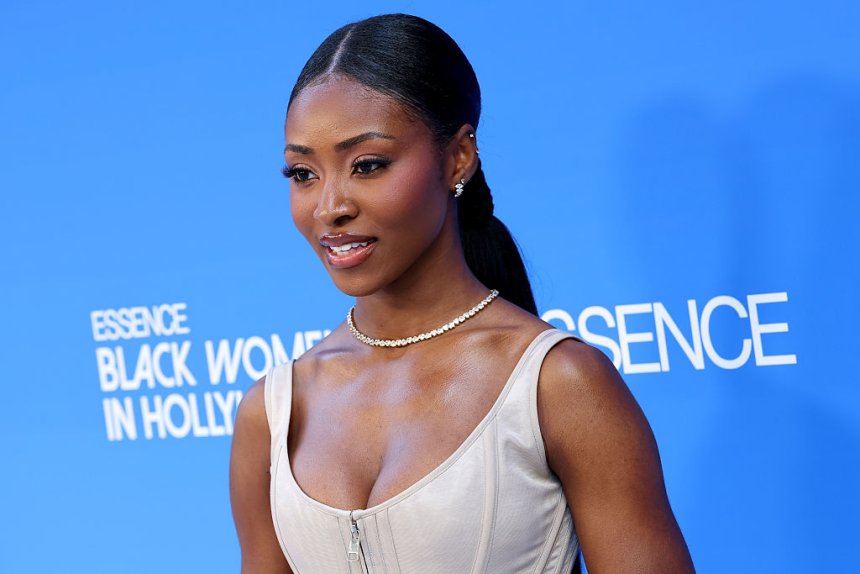
“Sinners” star Jayme Lawson discusses Teyana Taylor’s Perfidia Beverly Hills character from “One Battle After Another” and the importance of nuanced Black characters.
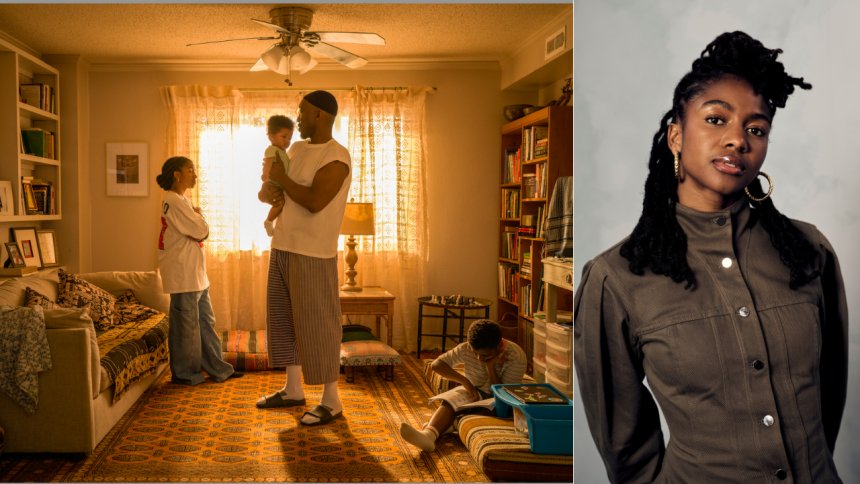
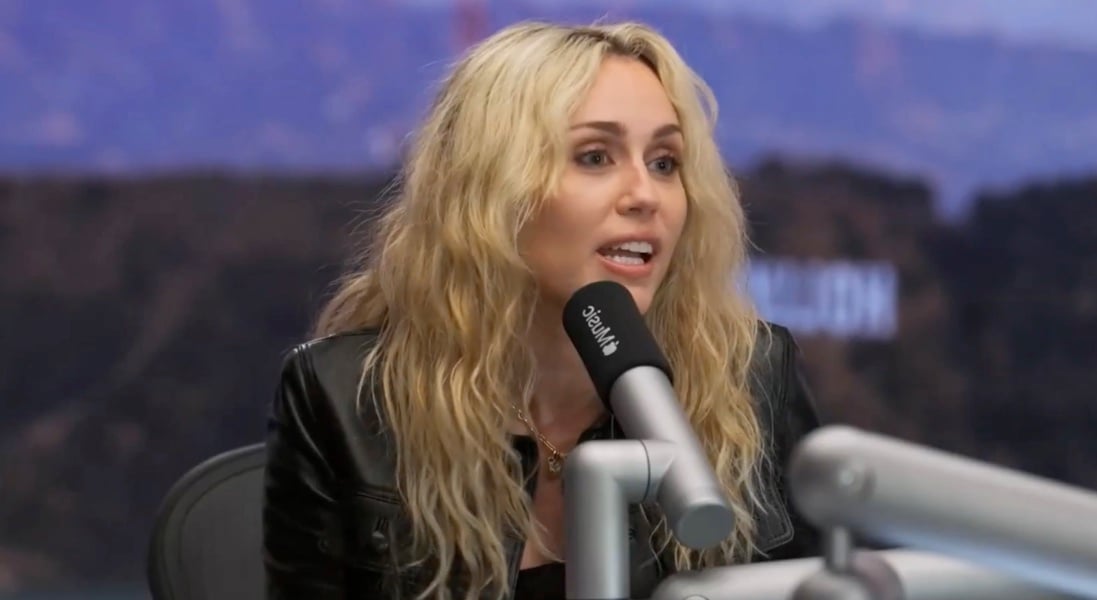
The countdown to the Oscars is dwindling, but discourse about the nominated films continues to rev up. This award season, all eyes have been on the “Sinners” cast and Teyana Taylor, as viewers reflect on the masterful world Coogler created and the complexity of Taylor’s character, Perfidia Beverly Hills in “One Battle After Another.” And this week, actress Jayme Lawson, who plays Pearline in “Sinners,” chimed in on the discourse during an appearance on the “Higher Learning” podcast.
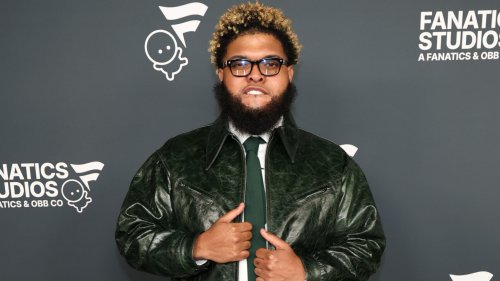
When the podcast’s co-host Van Lathan Jr. admitted his problem with the way Taylor’s character in the Oscar-nominated film was written and his perceived understanding of what she represented, he also acknowledged the other growing discourse which underlines that Perfidia is a fictional character and does not have to be perfect or “represent the Black Madonna of motherhood and perfect revolutionary action.”
“It is somebody’s artistic vision, and then the character was interpreted by Teyana Taylor. However, as a Black man, there’s a certain way that I want to see Black women represented on screen,” he added before asking Lawson. “Does representation ever hinder Black artists’ ability to go out and create art without always having to put what we think a positive image is on the screen?”
Does Black People’s need for positive representation ever hold Black artists back? pic.twitter.com/LkWYbpWjcb— Van Lathan Jr (@VanLathan) March 12, 2026
“Your response to wanting to see Black women a certain way is because you are feeling the constriction and restriction. I think if that didn’t exist, I don’t think that there would be such a delicacy or care—we would allow for our experience to span a spectrum,” Lawson explained. “But when there feels like there was a constriction to always or only ever show certain things, then we feel this tightness of like, well, no, we need to be represented in this way.”
The flaws in Lawson’s character in “Sinners” are arguably overlooked in mainstream discourse due to the film’s multi-layered storytelling and the very eminent threat of Vampires; however, like Perfidia, Pearline exuded promiscuity in the film (if you know, you know). But even when discourse has emerged about her character, Lawson welcomes it.
“I love the character of Pearline because she’s causing all this conversation, where it’s like she’s not a perfect character, and I’m not interested in representing Black folks as perfect,” she continued. “I don’t think that does us any good cuz we’re not. I think the whole point is that we get to be nuanced, like truly nuanced, where we can agree or disagree with the choices that are made on screen, and that’s how you fully restore our dignity and our humanity.”
In fact, Taylor echoed a similar message in various interviews when asked about the discourse surrounding her character. As previously reported by theGrio, the Golden Globes winner admitted she’s “not surprised of any of the talking.”
“This is a woman who has been in survival mode, who has been fetishized, who has been ignored, not seen. We’re seeing this woman deal with that, where in movies we’re used to seeing us women have to be in capes all day, and you see this woman rip this cape away and is just unapologetically herself — even in her weakness,” she added, reflecting on Perfidia. “If you think about her spirit and mentally and emotionally as a woman, it felt good to see a woman actually be selfish and put her[self] first, which we never really get to do.”
Continuing to challenge the idea of perfection on screen, Lawson concluded, saying: “In some context, there’s like the magical negro. There’s this idea of Black excellence, and what that looks like, but no, let it let us breathe and be in all forms. I’m interested in a world where we are not concerned with how we are perceived. Like that’s a lot to take on. And I’m not saying that I’m not guilty of it. I am. But it is a lot to carry where we feel like every single Black person is a representative of all of us,” she added. “I’m aspiring for artistic expression in which again let it all live and then invite this discussion. Allow there to be conversation. Allow there to be that conversation. Allow characters to be characters. allow Black folks to get to be characters.”
Share
What's Your Reaction?
 Like
0
Like
0
 Dislike
0
Dislike
0
 Love
0
Love
0
 Funny
0
Funny
0
 Angry
0
Angry
0
 Sad
0
Sad
0
 Wow
0
Wow
0