Illegal skin-lightening cream found on sale in the UK: ‘Not only dangerous, it is unlawful’
Illegal skin-lightening creams were found on sale in the UK, but they are far from the only place where colorism

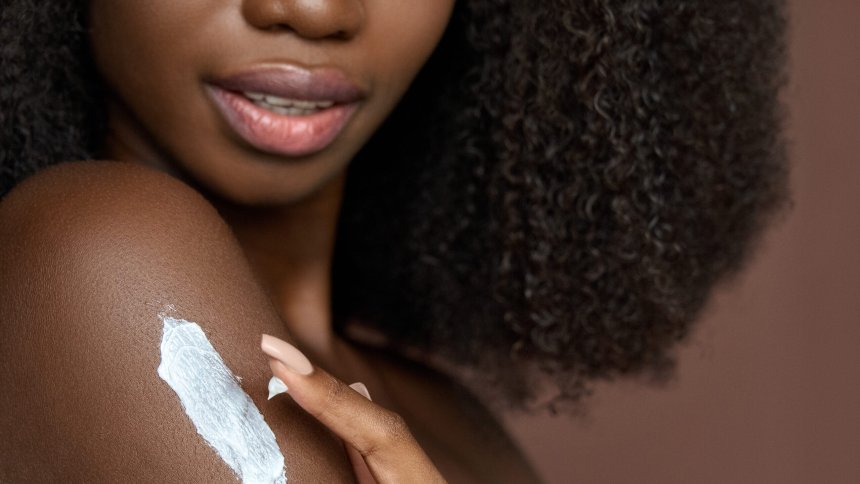
Illegal skin-lightening creams were found on sale in the UK, but they are far from the only place where colorism is driving the trend to this day.
While it’s nowhere near its early 20th-century peak, the dangerous practice of skin bleaching — using creams, injections, or other products to lighten one’s complexion — has never truly disappeared. Instead, it has evolved into a global, multibillion-dollar industry still fueled by colorism and still harming Black women the most.
Now, a watchdog in the United Kingdom is sounding the alarm over the continued sale of illegal skin-lightening products.
Tendy Lindsay, a member and former chair of The Chartered Trading Standards Institute, is warning consumers after banned products were discovered in butchers and specialty food shops across the UK.
“As a Black woman and a long-standing advocate for equality, diversity and inclusion, I want to be absolutely clear: the sale of illegal skin lightening products is not only dangerous, it is unlawful,” she told BBC News.
According to the CTSI, many of the products contain hydroquinone, mercury, and powerful corticosteroids, ingredients banned from over-the-counter sale because of their serious health risks.
Those risks are not merely cosmetic. They include permanent skin damage, infections, kidney and nerve damage, steroid dependency, and complications during pregnancy. Mercury exposure alone has been linked to neurological harm and long-term organ damage.
But health experts say the demand driving the underground market is not random. It is rooted in the centuries-old hierarchy that privileges lighter skin within communities of color, particularly among Black women, known as colorism.
The practice dates back to the beginning of skin care, essentially, but the commercial boom for skin bleaching products really took off in the 19th and 20th centuries and flourished through the 1940s and 1950s, marketing lighter skin as a pathway to beauty, desirability, and economic opportunity. While the “Black Is Beautiful” movement of the 1960s challenged those narratives, the preference for lighter complexions never fully died.
Today, skin lightening remains widespread across Africa, Asia, the Caribbean, Europe, and the United States. A 2023 study published through the National Library of Medicine found that skin-lightening use is prevalent in the U.S. and that many consumers are unaware their largely unregulated products contain banned or toxic ingredients.
“Skin lightening and bleaching—the use of chemicals to lighten the skin— is an expanding and largely unregulated multi-billion-dollar global industry that is influenced by colorism, the system of inequality that affords opportunities and privileges to lighter-skinned individuals across racial and ethnic groups,” the study’s authors wrote.
In the UK, enforcement has been ongoing for years. A cosmetics retailer in Peckham, London, was fined £30,000 in November after being caught selling illegal skin-lightening products for a second time, BBC News reported. In Southwark, 62 companies or individuals have been prosecuted for selling illegal skin lighteners since 2002.
Still, officials say supply persists because demand persists.
As part of its warning, the CTSI advised consumers never to use skin-lightening products on children, avoid unverified sellers or social media vendors, steer clear of questionable online marketplaces, and consult a doctor before using any product intended to alter skin tone.
Lindsay said she is “deeply concerned” about the social pressures driving the market, noting that “colourism and harmful beauty standards can create vulnerability.”
And she made clear that ignorance will not protect those selling these products.
“A lack of awareness is not a defence,” she said.
For now, advocates say vigilance is key, not only against illegal sellers, but against the beauty standards that make such products profitable in the first place.
Share
What's Your Reaction?
 Like
0
Like
0
 Dislike
0
Dislike
0
 Love
0
Love
0
 Funny
0
Funny
0
 Angry
0
Angry
0
 Sad
0
Sad
0
 Wow
0
Wow
0