Home Improvement Grants Are Helping Black Homeowners Build Wealth One Upgrade At A Time
Black homeowners can use home improvement grants to make repairs and upgrades that build home value and generational wealth to pass down. Some key funding includes the USDA Section 504 Home Repair Program, HUD Title 1 Property Improvement Loans, and veterans’ services. Don’t forget local and regional offerings that vary and include Habitat for Humanity’s [...]


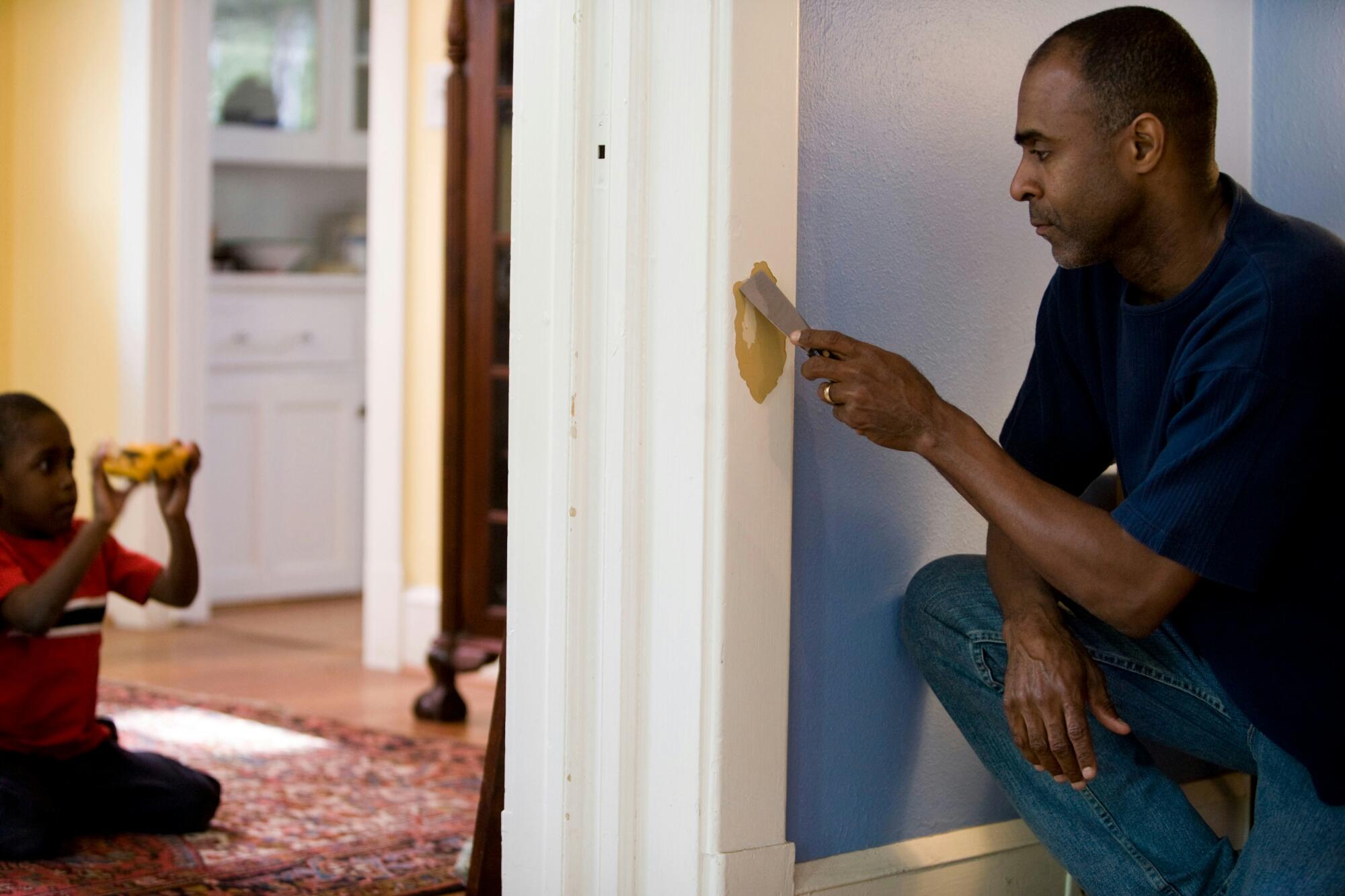
Black homeowners can use home improvement grants to make repairs and upgrades that build home value and generational wealth to pass down. Some key funding includes the USDA Section 504 Home Repair Program, HUD Title 1 Property Improvement Loans, and veterans’ services. Don’t forget local and regional offerings that vary and include Habitat for Humanity’s local affiliate.
According to the Urban Institute, three out of four homeowners pay for renovations in cash, but a large cash deposit upfront can be a problem in uncertain economic times. Those Black homeowners without such a surplus can tap into various resources from government grants, low-interest loans, and special programs based on profession and other affiliations.
What Are Some Home Improvement Grants Black Homeowners Can Use?
Black homeowners who need financial help making home value upgrades can apply to federal departments such as the USDA and the U.S. Department of Energy (DOE). The elderly and veterans can also get special assistance for repairs and upgrades.
USDA Section 504 Home Repair Program
Put in your application on a rolling basis between Oct. 1 and Sept. 30. The application is state-specific. Black homeowners with low income can get loans with a fixed interest rate at 1% for up to $40,000. Black elderly property owners can get grants up to $10,000, but the available limit jumps to $15,000 for repairs in presidentially declared disaster zones.
HUD Title 1 Property Improvement Loans
Once approved for this property loan, it can pay for materials and labor for a contractor to do the work, or handy Black homeowners can use it for materials only for a DIY improvement project.
It can go towards upgrading a:
- Single-family home
- Multi-family home
- Converting a multi-family structure into an apartment
- Restoring a historic residence
VA Home Modification Grants
Black veterans have resources to help make a home more comfortable to live independently after a service-connected disability. Widen a doorway or install ramps with the Specially Adaptive Housing (SAH) home improvement grants for your permanent home. The current grant limit is $126,526.
Weatherization Assistance Program (WAP)
Black homeowners in all 50 states can start making energy-efficient home value upgrades through the DOE.
Common renovations include:
- LED lighting
- Replacing heating and cooling systems
- Energy-efficient water heaters
- Weather-stripping
After evaluating the program, the DOE reports that program participants have saved about $372 plus annually. Start the process by locating your state’s weatherization administrator, which should be on your state website.
Some First-time Homeowner Tips for Funding
Funding is often limited, and you need a detailed repair estimate before putting in an application. Have a professional provide a written estimate to strengthen your profile.
Don’t make the mistake of starting work on your home before application submission. Your best bet is to start with your local and state programs for faster approval than what you can expect from a federal grant application.
Are There Local Programs?
Yes, there’s Habitat for Humanity, which offers exterior home repair to revitalize areas. Based on income eligibility, the program combines volunteer work with an affordable loan made to the homeowner. Search Habitat’s website for your local chapter’s Home Preservation project using your zip code.
Taking Ownership PDX helps Black homeowners in Portland, Oregon, with $5,000 tp $30,000 worth of updates, depending on their income level. Omaha, Nebraska, has the Greenlining Fund to help homeowners in previously redlined areas make non-cost repairs.
Do You Live in the DMV Area?
In Washington, D.C., property owners can upgrade their homes and help the local environment through the Department of Energy & Environment RiverSmart program. Single-family residential properties can get help installing rain barrels, rain gardens, or bayscaping to capture rainwater and reduce storm runoff.
Virginia residents aged 62 and older may receive up to $1,000 in materials and one week of labor under the Fairfax County Home Repair for the Elderly Program (HREP). Use it for minor repairs or accessibility modifications if you’re a low/moderate income, elderly, or disabled resident.
Any low-income Virginia homeowner at least 18 years old who needs urgent upgrades to remove safety hazards or provide accessibility can apply for the Emergency Home and Accessibility Repair Program (EHARP).
What Are Eligible Home Value Upgrades for Grants?
The affordable home upgrades must focus on essential improvements, from aging in place to health and safety.
Common renovations include:
- Ramps
- Widened doorways
- HVAC upgrades
- Energy-efficient water heaters
- Fixed roofing
- Removing asbestos
- Foundation replacement
Add beauty and more accessibility with the best bathroom remodeling services, thanks to non-slip flooring made from natural stone and grab bars.
What About Funding Cosmetic Upgrades for Home Equity Improvement?
That’s where loans are your best bet over grants. Many people opt for home equity lines of credit, which often have low interest rates. If you’re doing a large single project like a bathroom or kitchen remodel, consider a home equity loan with consistent and predictable repayment terms.
Frequently Asked Questions
Does Grant Money Count as Income?
Home improvement grants are considered taxable income by the IRS, so make sure you report them properly. However, exclusions include when it’s given for general welfare or disaster relief. Certain energy-efficient rebates or disaster-related repairs may also be excluded.
What Counts as Home Improvement for Taxes?
Your home improvement must add value, be permanent, and prolong your home’s life for tax purposes. It can also be adapted to new uses such as structural additions, including roofs and decks.
These include major system upgrades such as plumbing and HVAC systems. Other common tax-improving upgrades include bedroom and bathroom additions. Finishing off your basement also counts.
Make sure you fill out the proper form for claiming your residential energy credits, which is IRS Form 5695. Always keep highly detailed records of all your home improvements, from contractor invoices to receipts, which can add to your updated home value proof if you decide to sell it soon.
Build Home Wealth With a Little Help
Home improvement grants and loans can help black homeowners take the next step to building greater personal wealth. The home is often an American’s largest asset, so it’s worth putting time and money into.
Whether you want to age comfortably at home, flip it for a profit, or pass it down to your heirs, start renovating it now.
Our website has a solid foundation of articles that you can continue to search through for more ideas about home improvement.
SEE ALSO:
Why Are Foreclosures Rising? And Who’s Being Hit The Hardest?
NYC Finally Addressing ‘Deed Theft’ After Ignoring Black Homeowners
Share
What's Your Reaction?
 Like
0
Like
0
 Dislike
0
Dislike
0
 Love
0
Love
0
 Funny
0
Funny
0
 Angry
0
Angry
0
 Sad
0
Sad
0
 Wow
0
Wow
0